
Month: March 2024
-
Big Hair Energy: Exploring Ideas of Flavian Women’s Identity and Postmortem Agency

Hair has been one of the most consistent ways humans can express themselves throughout history. Yacine N’Dao analyzes the Flavian coiffure style that emerged under Flavian rule and how the style was used by women to make themselves visible despite sex-based social conditions.
-
Cabinets of Curiosities, Teapots and Dressing Gowns: How Can We Use Material Culture to Rethink Motivations behind the Early Modern Consumption of Exotic Goods?
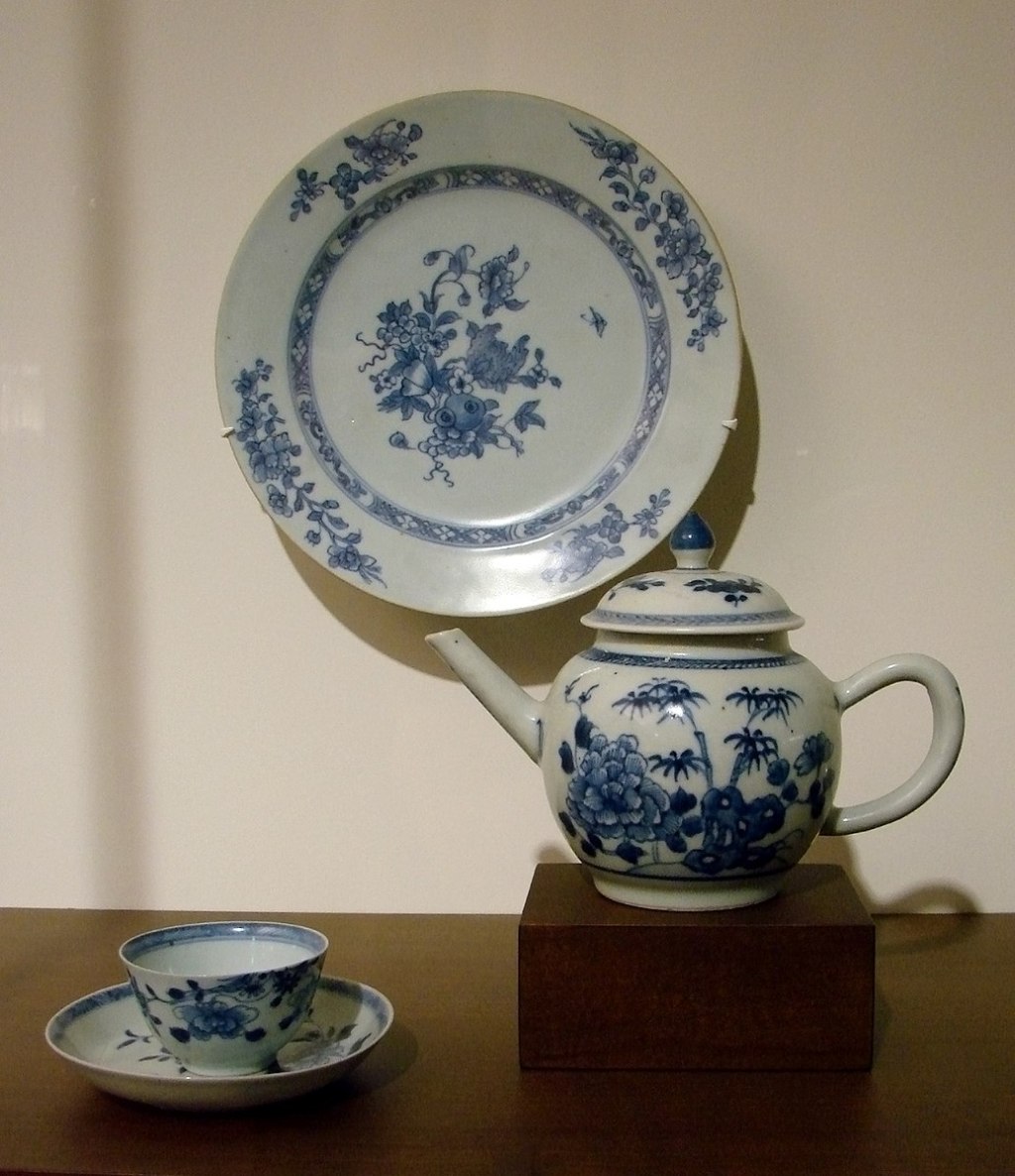
Early Modern Europe saw a rise in the fashionability of “exotic” imports from Asia and the Middle East. Nancy Britten discusses how interest in imported consumer goods strayed beyond elite classes and provided women and those with lower socio-economic status greater mobility to access knowledge.
-
Shattering Illusions: Medieval Gender, Religion, and Emotion – A Conversation with Dr. Kirsty Day
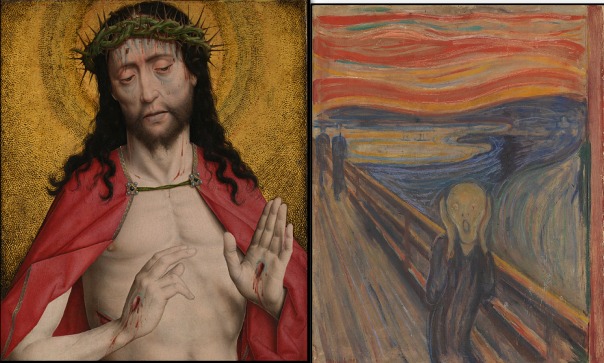
From cultural history and the history of emotions to the gender of the pope, Nadja Dixon interviews Edinburgh University’s Dr. Kirsty Day.
-
Aqua Tofana: Bottled Revenge of the 17th Century Wife

What is this notorious poison, and who are the women responsible for its creation? Lila Winstanley explores the use of the poison Aqua Tofana, first used in Rome in the 1650s.
-
Riordan’s Roaring Success

The Percy Jackson series has captured audiences with a plethora of media adaptations growing the genre’s popularity. Oscar Virdee highlights the success of author Rick Riordan at creating an engage universe based around the study of classics.
-
Galileo and the Modernisation of the Italian Language

Francesca Newson explores Galileo’s decision to write about science in Italian rather than in the traditional vernacular of Latin.
-
After Dark: Myths, Misdeeds & the Paranormal
Ellie Whitehead reviews After Dark, a podcast about strange, spooky, and potentially supernatural events throughout history.
-
Saving Grace: The Story of a Sixteen-Year-Old Murderess
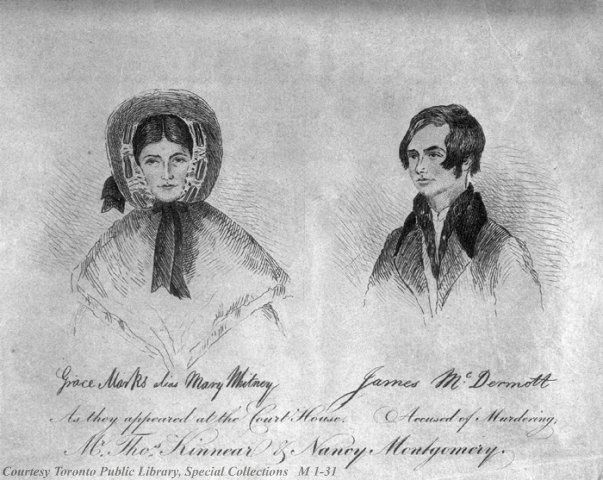
Grace Marks has become a mystified figure for her relation to the murder of Thomas Kinnear and housekeeper Nancy Montogomery. Ella Gibson analyzes how Marks’ mystification challenged power structures of both class and gender.
 Retrospect Journal