
Tag: Religious History
-
Playing God: The “Other Coup” of the Greek Military Junta (1967-1974)
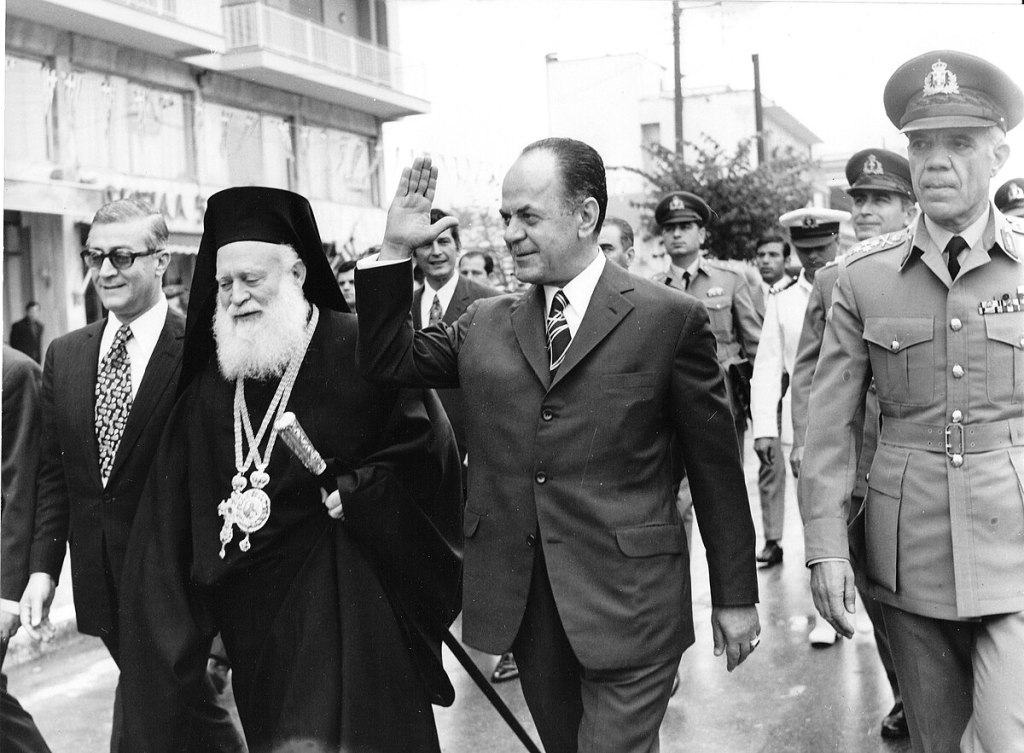
Alexander Stroem traces how, between 1967 and 1974, the Greek Military Junta leveraged religious authority to legitimize and maintain its dictatorial regime.
-
A Brief History of the Quakers

Quakers emerged from 17th century England, promoting equality, peace, and individual spiritual connection. Kate Phillips traces a brief history of the Quaker movement.
-
Hygeberht of Lichfield: Was He the Tool of the Mercian Kings?
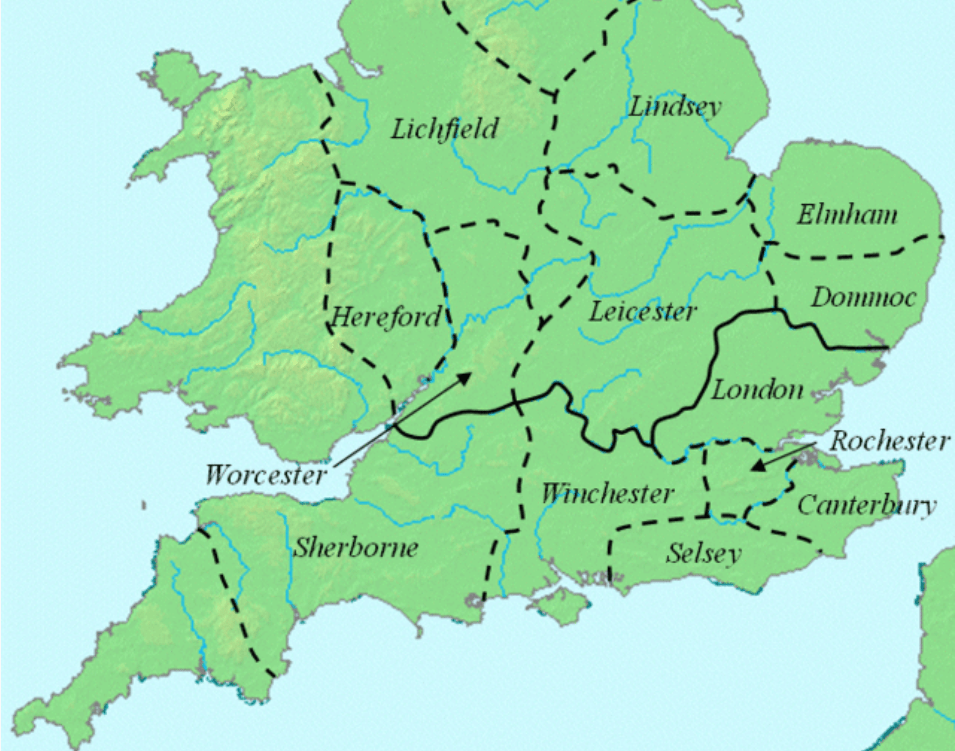
Archbishops are central figures within the history of the Church. Harry Child uncovers the lesser known history of the Archbishopric of Lichfield during the reign of the Mercian Kings.
-
Iconoclasm and Imperial Power: Christian Controversies in the Byzantine Empire
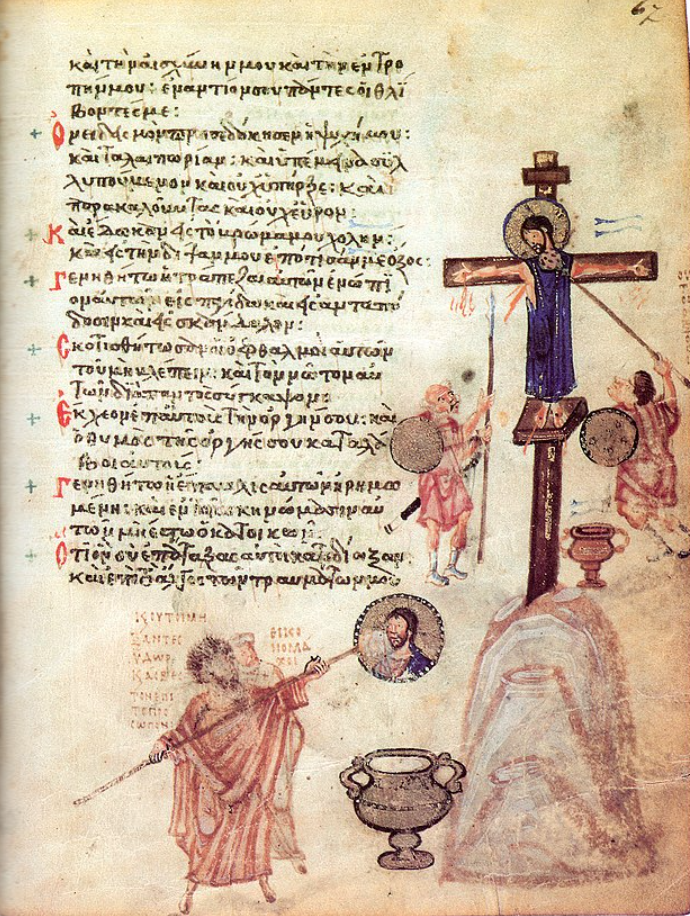
Iconoclasm is a highly significant debate in the history of Christianity. Anjaleen Hussain charts the debate over iconoclasm in the Byzantine Empire.
-
Shattering Idols: The Timeless Nature of Iconoclasm

Iconoclasm, historically linked to religious and political changes, shapes cultural identities and evokes societal tensions today. Ami John explores how this practice has destroyed – and shaped- history.
-
Isabel of Castile: Confronting the Myth of the Catholic Queen
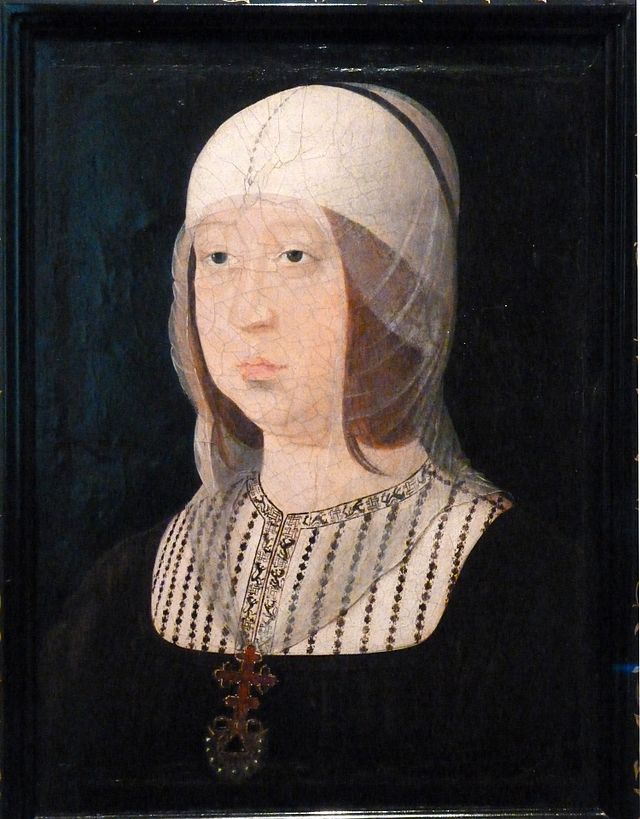
Isabel of Castile’s legacy is complex, seen as both a powerful leader and a religious oppressor. Arianna North Castell explores the myths surrounding the infamous queen.
-
Genghis Khan, the ‘Defender of Religion’: an Exploration of Religious Tolerance in the Mongol Empire
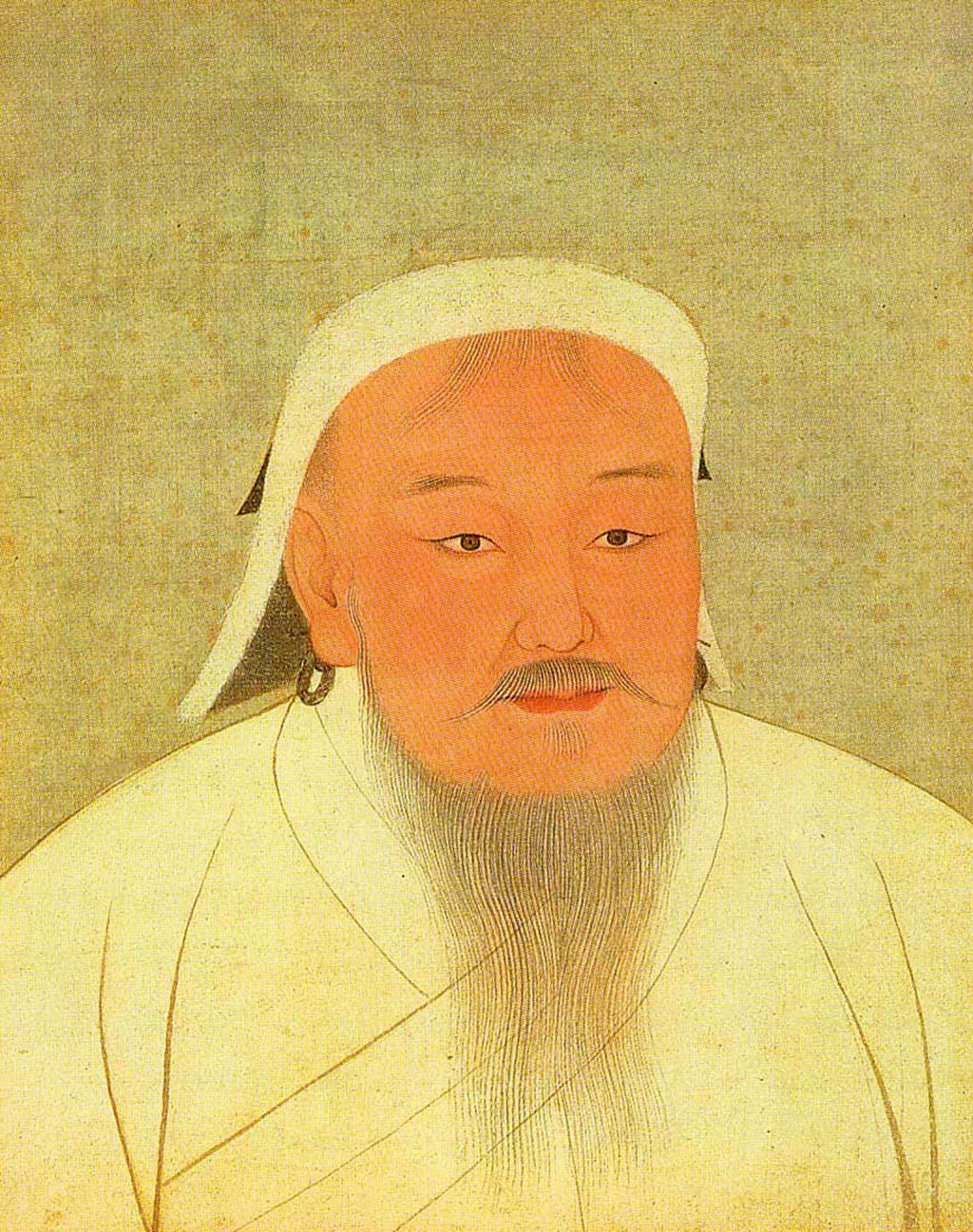
Poppy Williams explores whether Mongol Ruler Genghis Khan can truly be considered a ‘Defender of Religion.’
-
Orange Juice
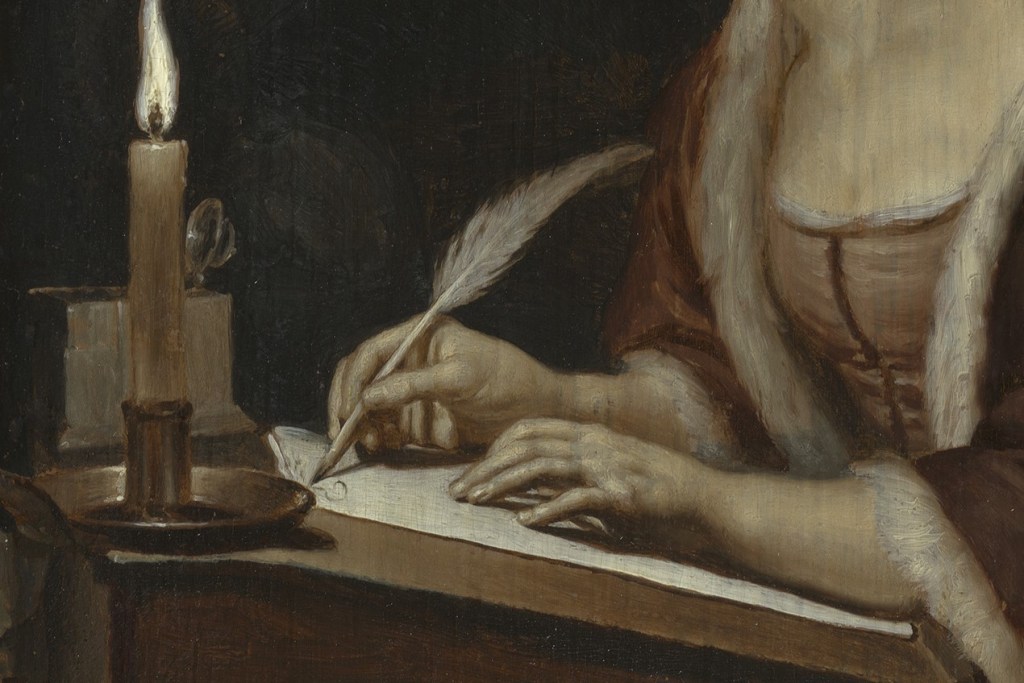
Following the gunpowder plot in 1605, Catholic recusant Anne Vaux and the priest to whom she was devoted, Henry Garnet, wrote letters in orange juice to one another during his imprisonment. Naomi Wallace explores this correspondence in the aftermath of the infamous failed conspiracy.
 Retrospect Journal