
Tag: Religion
-
“It is not good for Francis to be alone […] and in this way Clare was created”: Hagiographical Phenomenon and Saintly Adolescence
![“It is not good for Francis to be alone […] and in this way Clare was created”: Hagiographical Phenomenon and Saintly Adolescence](https://retrospectjournal.com/wp-content/uploads/2025/02/nuremberg_chronicles_-_alpaidis_holy_woman_and_seer_from_cudota_ccvv.jpg?w=1024)
Harry Fry examines socio-cultural differences among adolescent saints, revealing a broader understanding beyond elite-centric narratives in medieval hagiography.
-
A Brief History of the Quakers

Quakers emerged from 17th century England, promoting equality, peace, and individual spiritual connection. Kate Phillips traces a brief history of the Quaker movement.
-
Shattering Idols: The Timeless Nature of Iconoclasm

Iconoclasm, historically linked to religious and political changes, shapes cultural identities and evokes societal tensions today. Ami John explores how this practice has destroyed – and shaped- history.
-
Untimely Fruit
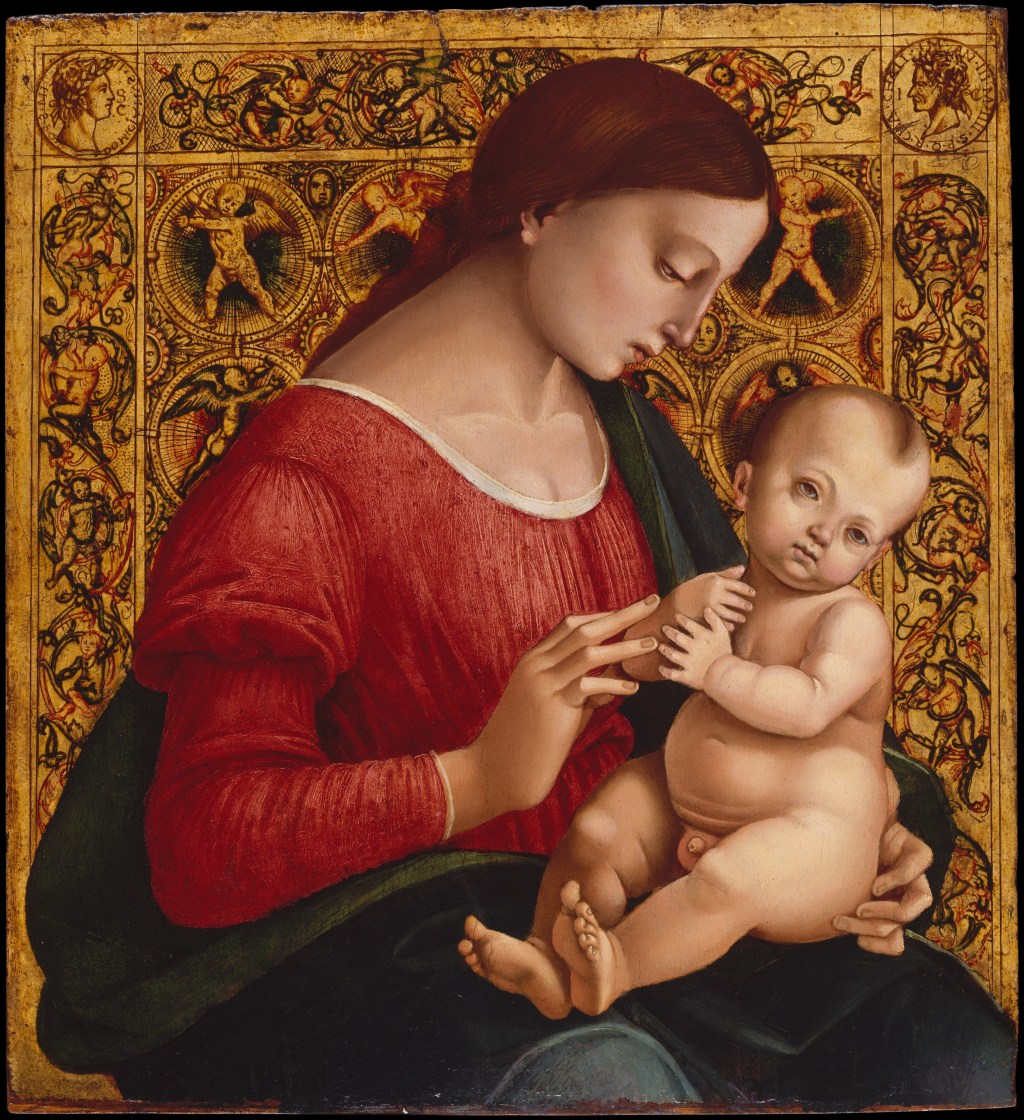
“Was their sex not composed of a more melancholic humour?” In this striking short fiction piece Naomi Wallace outlines the entanglement of grief, agony, and obligation which accompanied late medieval clandestine burials.
-
The Order and Manner of the Burning of Anne Askew
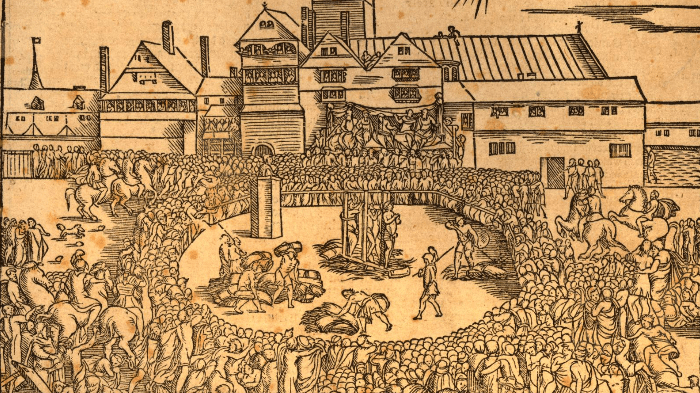
Anne Askew was burnt at the stake as a heretic in 1546. Naomi Wallace reimagines and brings to life her final moments.
-
Fiction: I Lost My Heart at Wounded Knee
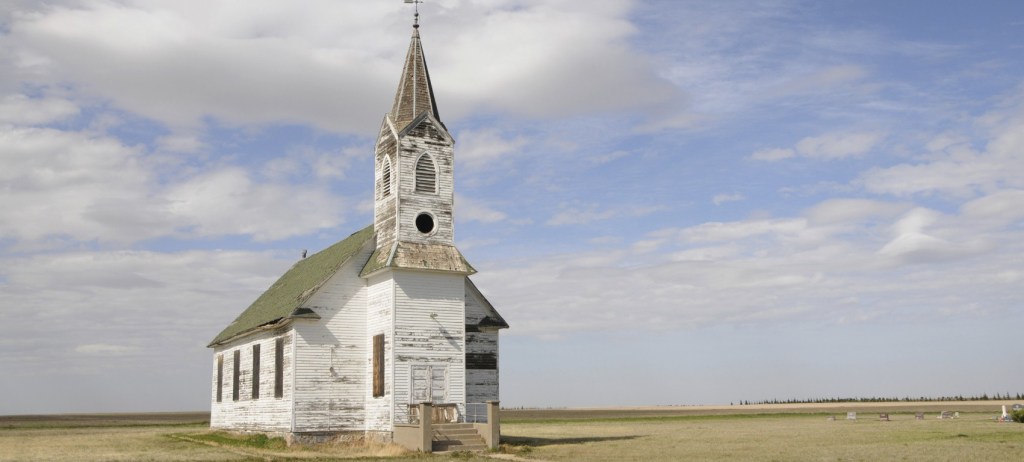
Written by Lewis Twiby. Snow drifted gently from the grey sky, matching the sadness in his heart: the heart that had been ripped from him. All the warmth that had been in his mother’s body had started to drift away. A warmth that had kept him safe through his ten years. A warmth that ended…
-
Between Psychotherapy and Spirituality: Buddhist Interaction with Freudian Psychoanalysis
Written by Christopher Harding. In the West, Sigmund Freud is thought of as one of the greatest critics of religion that has ever lived. In our own times, we are quite familiar with attempts to integrate psychoanalysis and psychotherapy more broadly with religious traditions including Christianity and Buddhism. The rise of a ‘mindfulness’ culture, which…
-
Fertility in the Early Middle Ages: The Dangers of Folklore

What did an early medieval bishop see when he looked up at the stars? In tenth-century Italy Atto of Vercelli saw divine fingerprints. God had arranged constellations in the heavens, he explained in a sermon, for our benefit on earth. Stars help us to mark the passing of time, to map journeys over sea or…
 Retrospect Journal