
Category: Academic
-
‘An object of terror and hatred to all’: Re-evaluating the reputation of the Emperor Domitian.
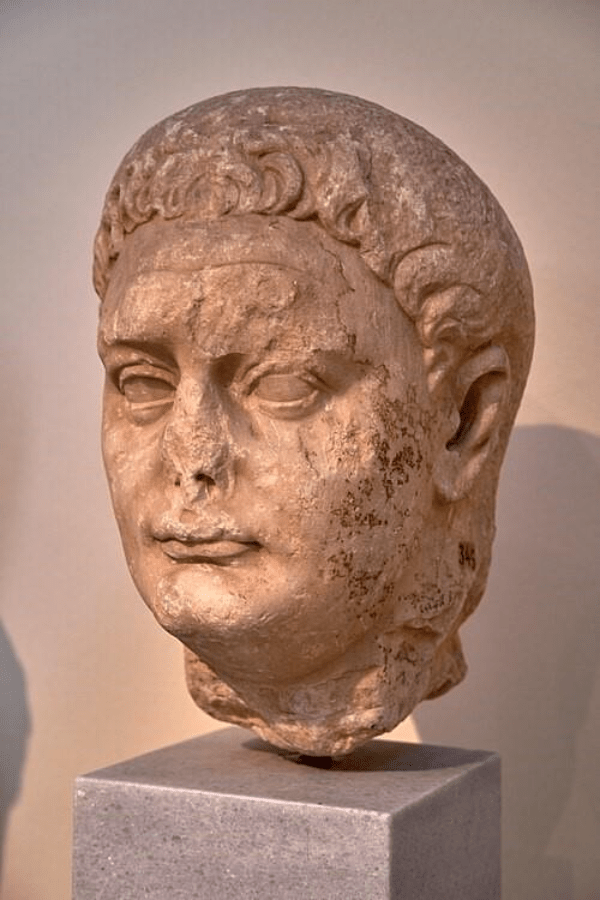
Hannah Connolly reenters unsettled historiography surrounding the tyrannical discursivity of Roman Emperor, Domitian.
-
Evald Ilyenkov: Creative Marxism and Mid-Century Soviet Theory
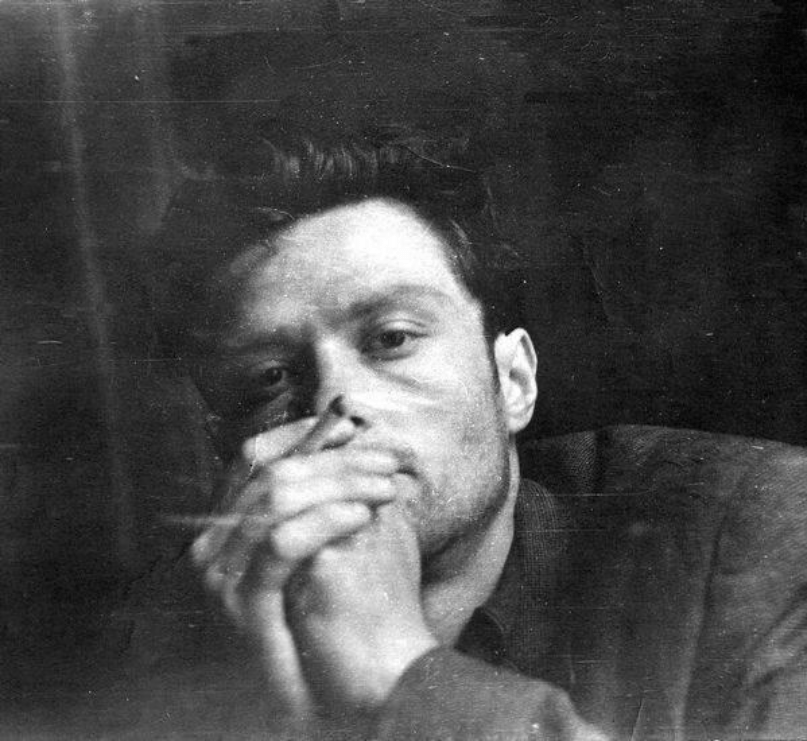
Finley Farrell examines Evald Ilyenkov’s “Creative Soviet Marxism,” which challenged rigid “diamat” orthodoxy. Ilyenkov posited that consciousness stems from human activity rather than simple material reflection. His theories critiqued biological determinism in the division of labour and navigated Lenin’s complex symbolic role.
-
Phaedra’s Youth and How it Benefits Aphrodite’s Mission in Euripides’ Hippolyta
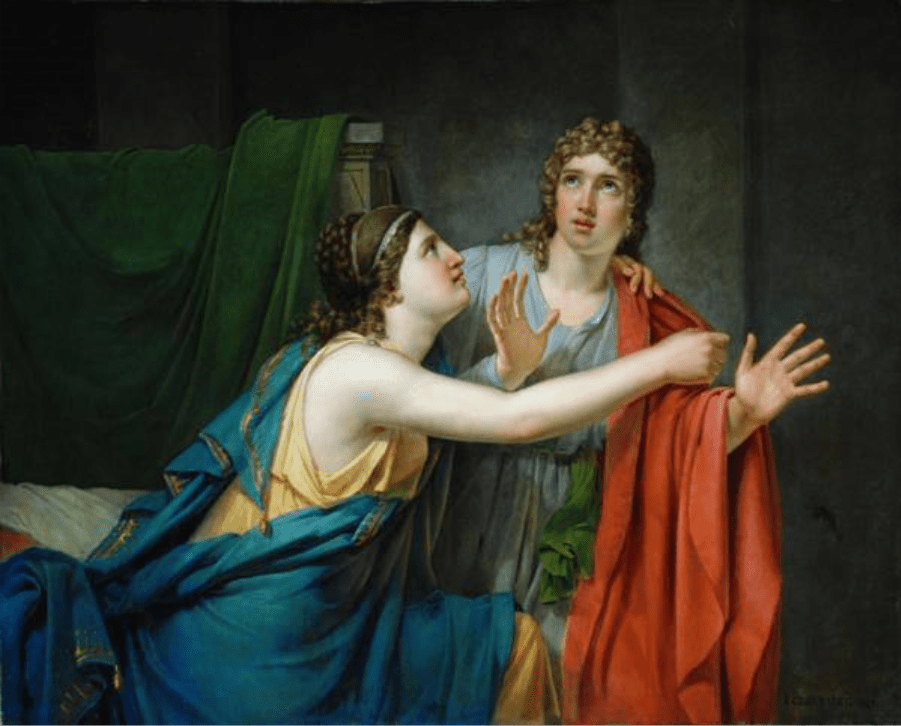
Bethany Hicks-Gravener writes an emotional, introspective account of Euripides’ Phaedra.
-
The ‘discovery’ of Machu Picchu as an object of the West

Bethan Williamson discusses how Machu Picchu challenges colonial narratives of discovery, addressing the site’s significance beyond tourism, its role in national identity, and how it highlights indigenous contributions.
-
Down the Rabbit-Hole: Uncovering Bodily Experience through Monstrous Birth
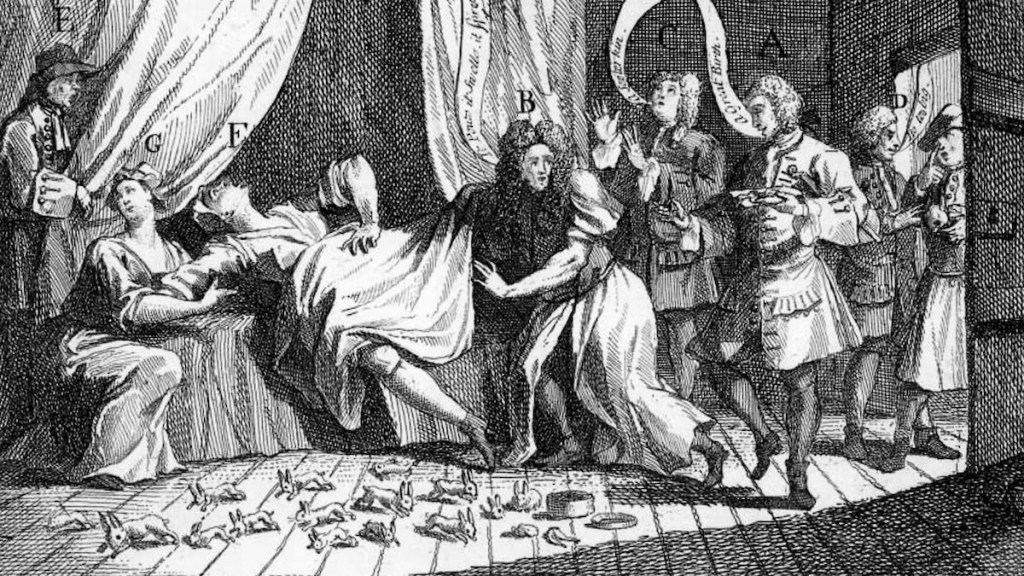
Abby Hughe explores the eighteenth-century scandal of Mary Toft, a woman who claimed to give birth to rabbits.
-
Beyond the ‘Puppet State’: Rethinking the 1960-63 Katangese Secession

Edie Christian re-examines the 1960–63 Katangese secession. While traditionally viewed as a “puppet regime” for Belgian mining interests, Christian highlights recent scholarship emphasising the political agency of local leaders like Moïse Tshombe, offering a more nuanced perspective on this postcolonial conflict.
-
In What Ways Did the Eighteenth-Century Satirical Print Represent the Black Dandy?
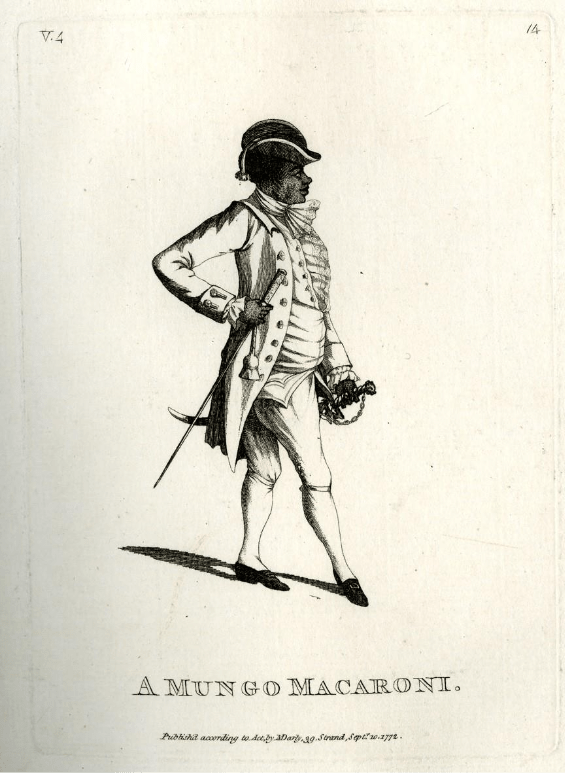
Mananhil Masood explores representations of blackness in eighteenth-century English satirical prints through analysing Black dandyism .
-
Scholarly Theories on the Parthenon Frieze
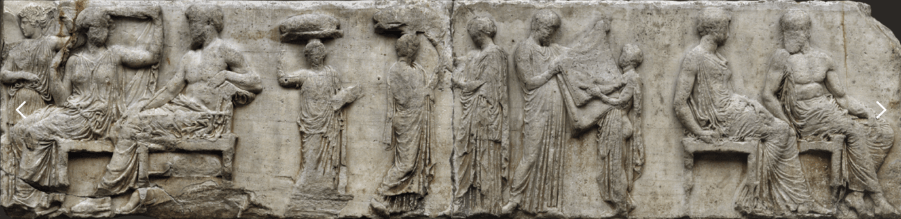
Bethany Hicks-Gravener explores the Parthenon frieze, a significant architectural element of ancient Athens, which remains a subject of scholarly debate regarding its depiction.
 Retrospect Journal