
Tag: Women's History
-
The Art of Arpilleras under Augusto Pinochet’s Authoritarian Rule

Augusto Pinochet’s dictatorship in Chile (1973-1990) was marked by violence and repression. Louisa Steijger discusses female responses through arpilleras, vibrant tapestries documenting daily life and resistance.
-
Isabel of Castile: Confronting the Myth of the Catholic Queen
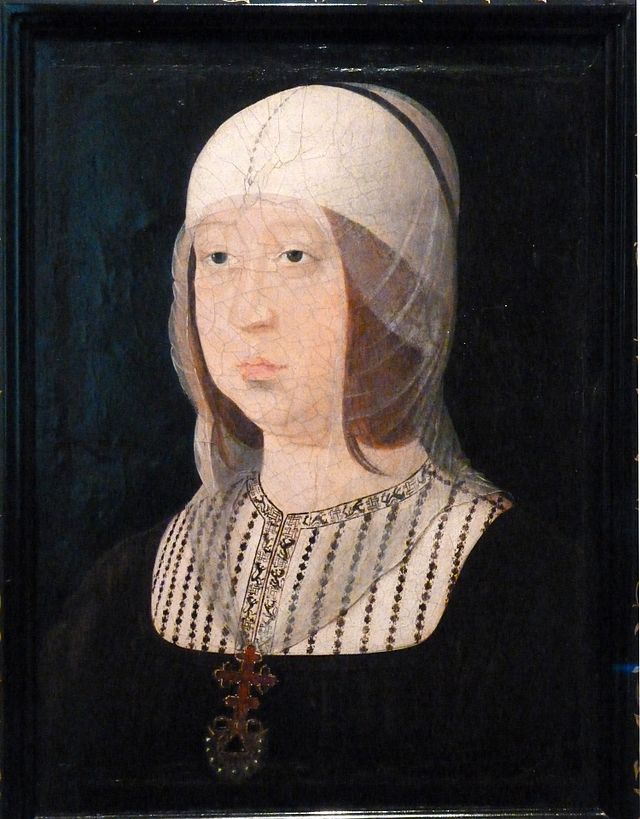
Isabel of Castile’s legacy is complex, seen as both a powerful leader and a religious oppressor. Arianna North Castell explores the myths surrounding the infamous queen.
-
Saving Grace: The Story of a Sixteen-Year-Old Murderess
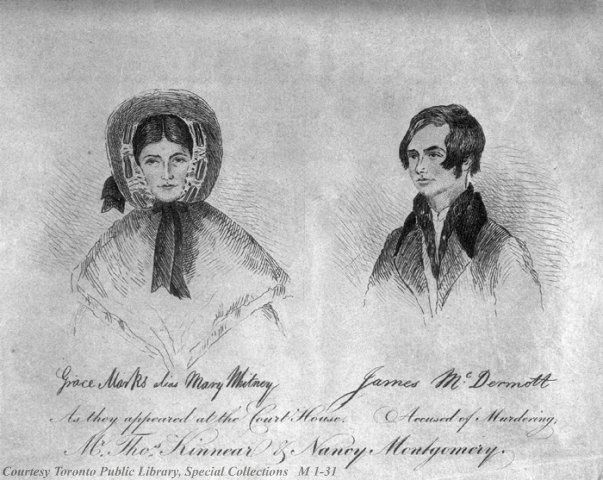
Grace Marks has become a mystified figure for her relation to the murder of Thomas Kinnear and housekeeper Nancy Montogomery. Ella Gibson analyzes how Marks’ mystification challenged power structures of both class and gender.
-
New Woman Myth: Did the 19th Amendment Completely Change Women’s Position in the U.S. in the 1920s?

The 19th Amendment to the U.S. Constitution formally gave all female citizens the right to vote. Isabelle Shaw discusses its legacy and whether it actually made significant change to women’s voting power.
-
Why did Women Embrace Sexual Renunciation in Late Antiquity?

Harry Fry delves into the complex dynamics of women’s choice regarding sexual renunciation in Late Antiquity.
-
Female Agency in Ancient Fiction: Considering Penelope and Scheherazade as Protofeminist Heroines

What do Scheherazade from The Arabians Nights and Penelope from The Odyssey have in common? Yacine N’Dao compares their two stories to demonstrate how they’re both protofeminist heroines.
-
Victoria Woodhull: The First Woman to Run for President of the United States (among many other things)

Kamala Harris is the first woman to serve as Vice President of the United States, but another woman helped pave the way. Sam Marks examines the extraordinary life of Victoria Woodhull.
-
Colonialist Legacies: Forced Virginity Testing of Indian and Pakistani Women in 1970s Britain

Many South Asian women migrating to Britain during the 1970s faced inhumane examinations based on racial prejudice. Sophie Whitehead examines Britain’s austere immigration policies during the 1970s and the colonial mentality which produced them.
 Retrospect Journal