
Tag: US History
-
Baz Luhrmann’s “The Great Gatsby”: In Defence of Excess

Written by Alden Hill. Critics did not respond well to Baz Luhrmann’s “The Great Gatsby”. Yet, is there more to be said for the excess of the movie?
-
Eastern State Penitentiary and the Punishment of Isolation in Nineteenth-Century Penal Imprisonment

Written by Melissa Kane. Eastern State Penitentiary is probably best known for holding Al Capone. The prison has a longer history, playing a key role in the emergence of the so-called “Pennsylvania System” of punishment and reform.
-
Back to School: History Education and the Coronavirus Tutoring Initiative

Written by Jess Womack. Over the past year, the Coronavirus Tutoring Initiative has been linking up University students and Secondary School pupils. This “return to school” has revealed some of the problems in the current approaches to teaching history.
-
“A Matter of History”: The 1776 Report and the Battle over American Education
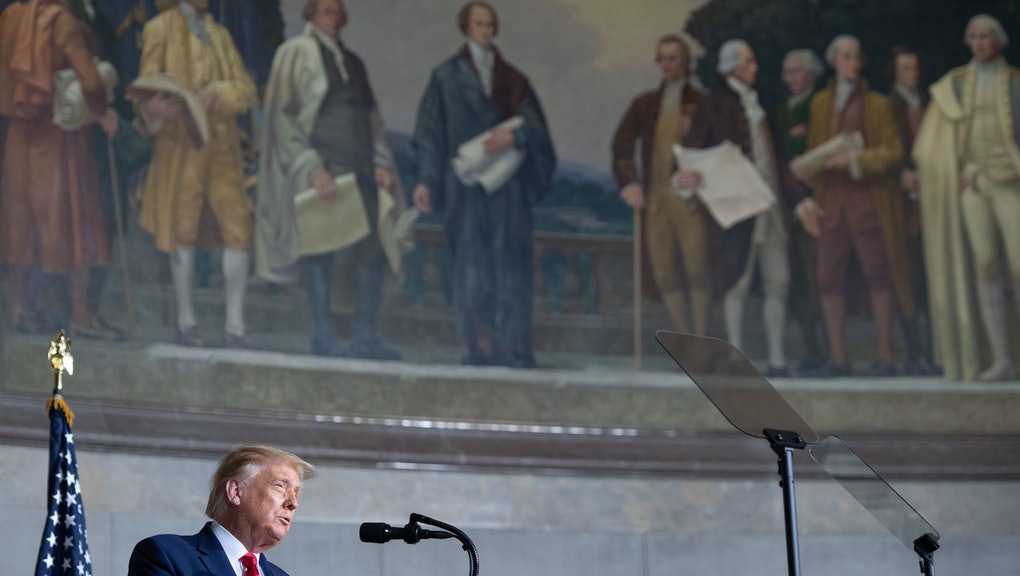
Written by Jess Womack. Former-President Trump’s 1776 Commissions is a threat to historical truth-telling. Worryingly, its removal is unlikely to stop the use of history to further white supremacy.
-
Loyalty in the American Revolution

Written by Jess Womack. The American Revolution has been typical analysed through the lens of politics and ideology. What changes if we focus on the violence of the revolution?
-
Henry Wallace and the 1944 Democratic National Convention

Written by Laszlo Wheatley. The declining health of Roosevelt by 1944 meant the choice of Vice president was more important than ever. How then did Henry Wallace, the sitting Vice President, lose the nomination overnight?
-
The Road to Brown and Little Rock: Beginnings of the Civil Rights Movement in the United States

Written by Jack Bennett. We often pinpoint moments in the Civil Rights Movement which led to massive change, but what came before? A look at events in the 1930s and 40s upon which the Civil Rights Movement was built.
-
Queering the Bodysnatchers: McCarthyism and Moral Panic in the 1950s.
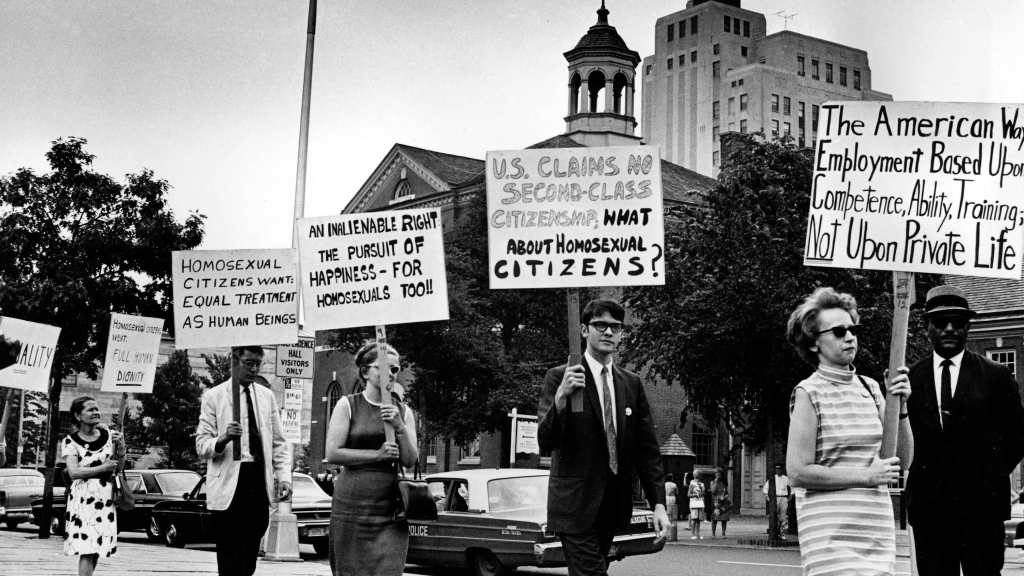
Written by Jess Womack. Queer identities and communism were viewed as inextricably linked in the eyes of many Americans. Although not a direct metaphor, Jack Finney’s 1954 horror novel, The Body Snatchers, can be understood as a warning against the general ‘un-american undesirable’ and reflected the anxieties of its time.
 Retrospect Journal