
Tag: History of Art
-
Nasta Rojc: Tracing the Life of Croatia’s New Woman
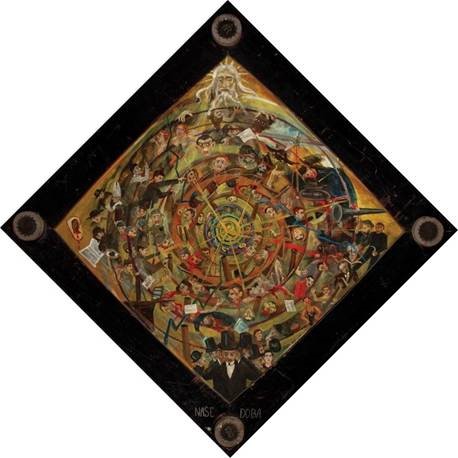
Leila Hajek delves into the life and legacy of Croatian artist Nasta Rojc, who was negated from the art history canon due to her gender, sexuality and identity as Eastern European. Hajek explores her life, legacy and her significant contributions to women’s art.
-
Artichokes, Humours, and Swords: A Look at a Revealing Episode in Caravaggio’s Life

Helene Chaligne examines one particularly strange moment in Caravaggio’s life, in which a debate about the preparation of artichokes led to a Roman brawl.
-
Gluck – A Forgotten Queer Artist of the 1920s

Fleur O’Reilly explores the life and works of British queer artist Gluck, who defied gender expectations in both her personal life, but also in her original and distinct artworks.
-
Equality in Art: Las Mujeres Sin Sombrero

“Las Sinsombrero” were a group of Spanish female artists in the Generation of 1927 who challenged gender inequality and the lack of recognition for their work. Isabelle Shaw provides a history of their resistance and biographies of some of its revolutionary members.
-
Namban Folding Screens

Produced during the Momoyama and Edo periods, the “namban” screens testify to the trade relationship and cultural exchange between Japan and Portugal. Chloe Bramwell explores the imagery and provenance of these richly decorated objects.
-
The Use of Art as a Political Tool in Renaissance Italy
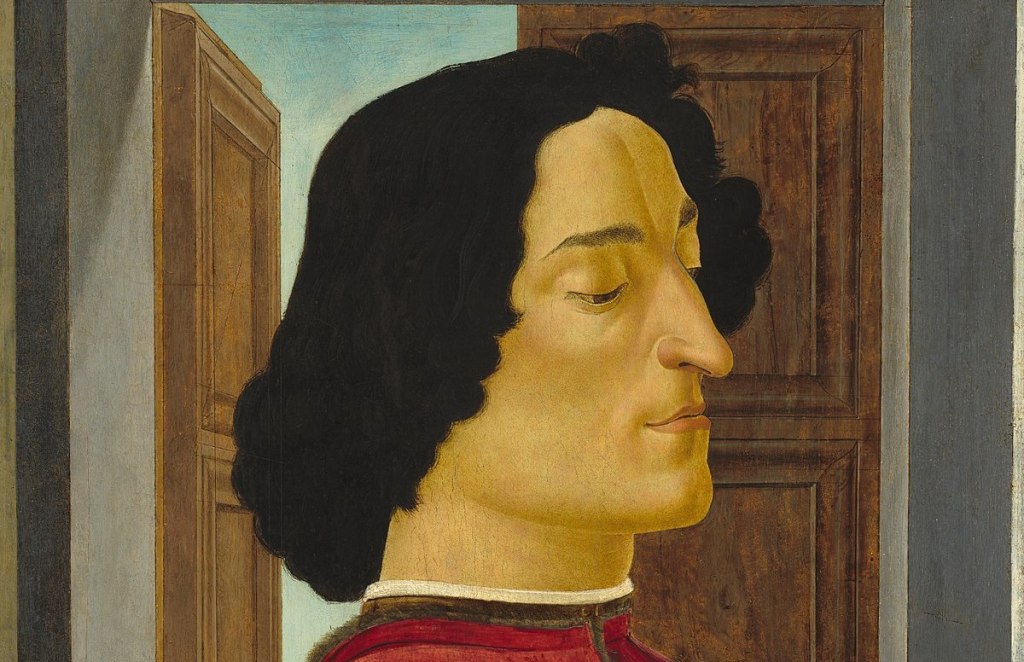
Written by Shea Ferguson. Whilst the likes of Leonardo da Vinci and Michelangelo have become household names as masters of the Italian Renaissance, the powerful patrons behind their private works are lesser known. Shea Ferguson explores how art became embroiled in the political sphere of fifteenth-century Italy, and what this meant for its players.
-
Michelangelo and the Temporality of Art

Written by Ruth Cullen. In this piece, Ruth Cullen reflects on art as a record of history, through the lens of Michelangelo. It is a treacherous terrain, a paradox that a considerable portion of our understanding of something comes from that understanding being non-definitive.
-
À la Creole, en chemise, en gaulle: Marie Antoinette and the dress that sparked a revolution

Written by Sophie Whitehead. Marie Antoinette was surrounded by many controversies during her life, including that of her dress in a 1783 portrait. But how important was this portrait? And how far can it be said to have sparked a revolution?
 Retrospect Journal