
Tag: Early Modern History
-
Hard to Stomach: Discomfort and Dismissal in Histories of Cannibalism
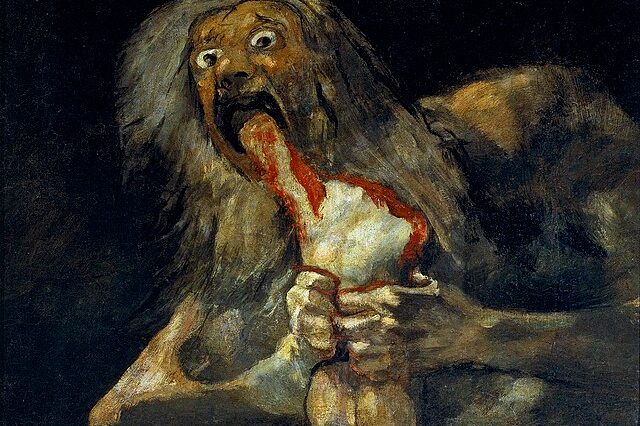
Ailsa Fraser confronts the troubling history of cannibalism, challenging the resistance from historians to touch the taboo subject.
-
A Coin for the Waterman
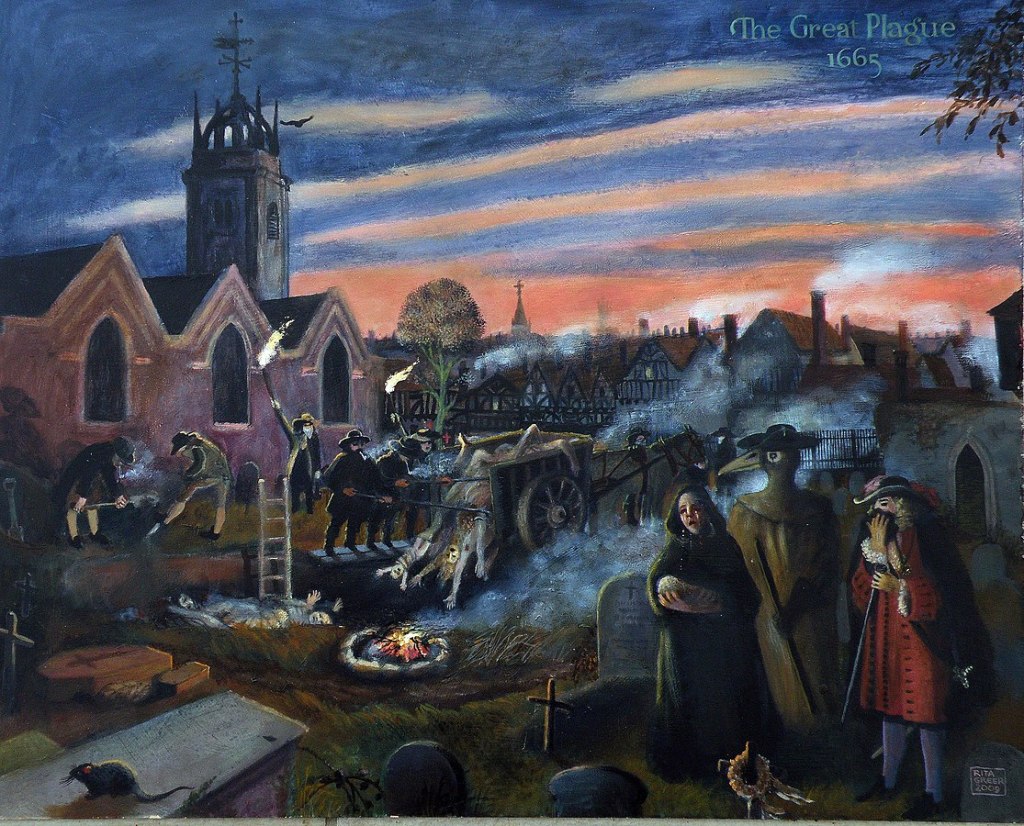
In this fiction piece by Ailsa Fraser, a young man scavenges a dead family’s riches from their home amidst the plague-stricken silence of London.
-
Isabel of Castile: Confronting the Myth of the Catholic Queen
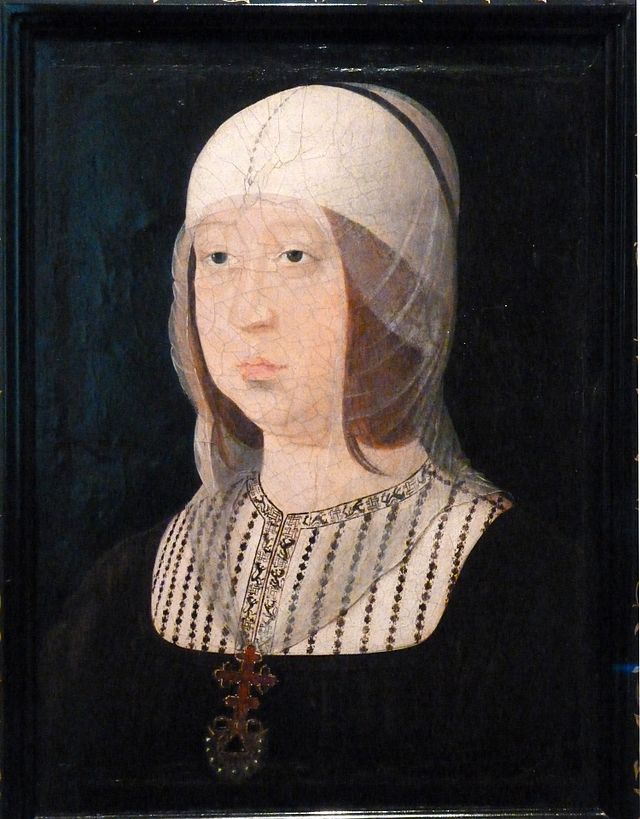
Isabel of Castile’s legacy is complex, seen as both a powerful leader and a religious oppressor. Arianna North Castell explores the myths surrounding the infamous queen.
-
Medicine as Autonomy: An Analysis of Enslaved Africans in Seventeenth Century Barbados and Jamaica
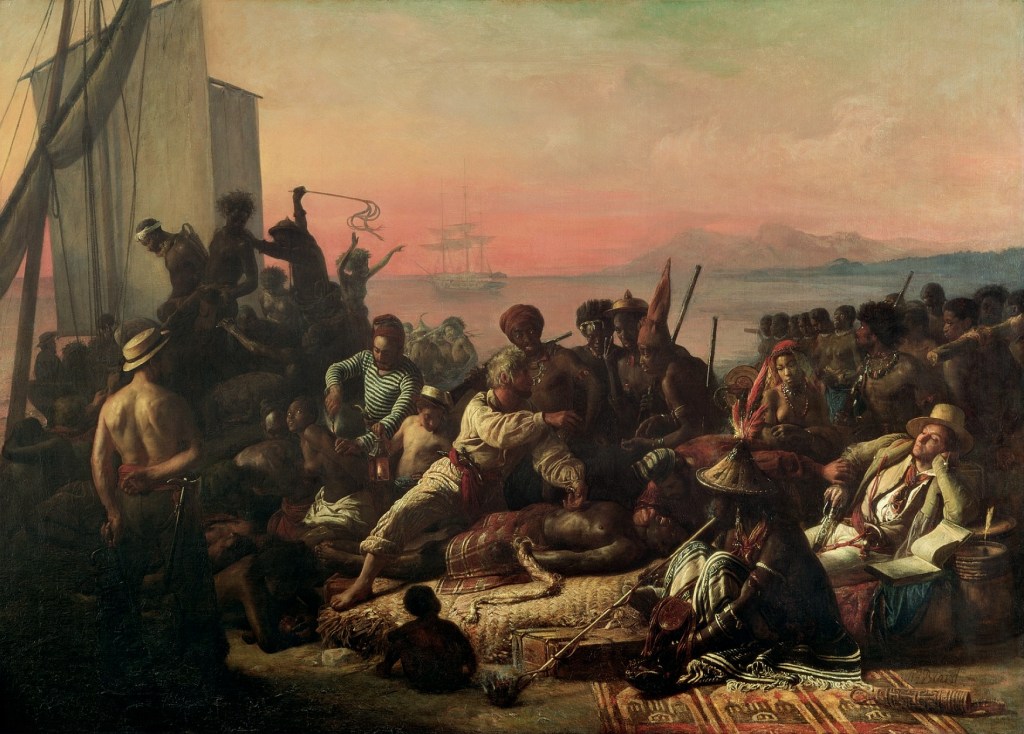
Between the years 1440 and 1720, two million enslaved Africans were forcefully shipped to the Americas. During this time the practice of medicine played a critical role in the survival and wellbeing of these slaves, but most importantly, provided them with agency. Nadja Dixon examines this medical expertise.
-
Bedlam: The Mental Asylum That Became London’s Top Tourist Attraction
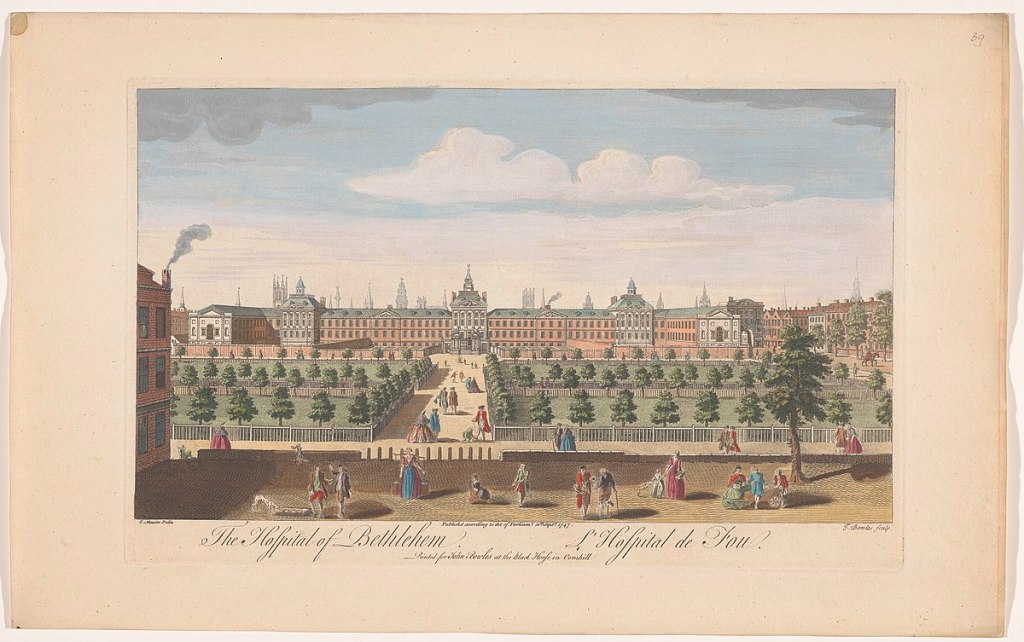
Lila Winstanley traces the history of London’s Bedlam asylum, and how it became a site of morbid fascination in the city’s history.
-
Dorcus Hoar: The Stereotypical New England Witch
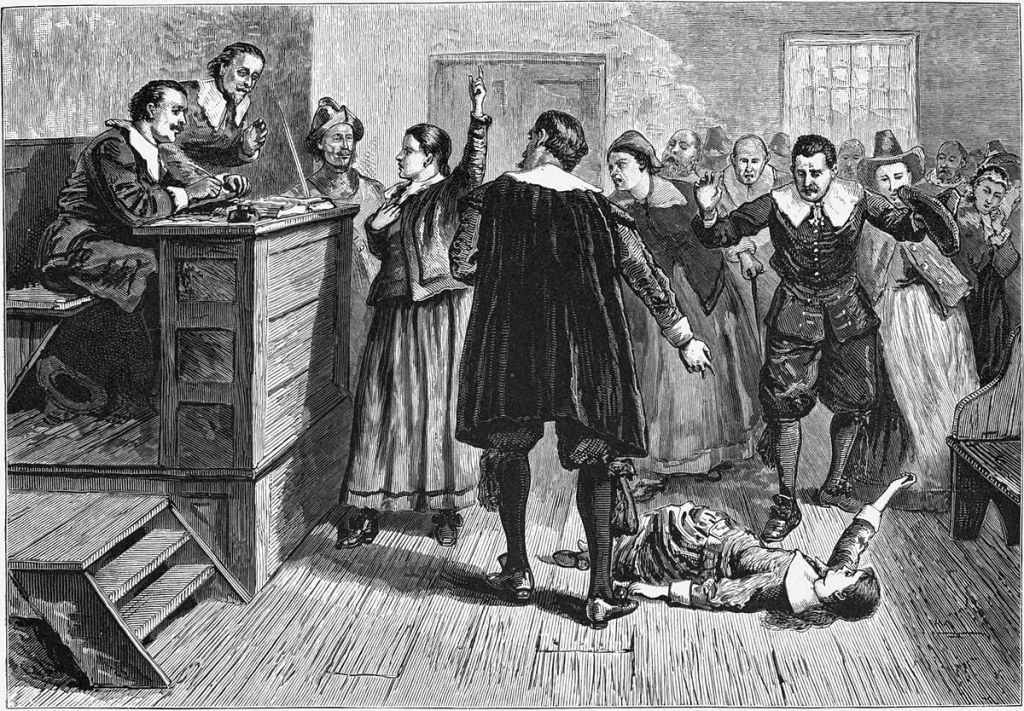
John Demos’s portrait of a witch offers scholars a series of characteristics which witches were understood to have. Marnie Camping-Harris demonstrates how Dorcas Hoar, accused in the Salem Witch Trials, fits these stereotypes.
-
Cabinets of Curiosities, Teapots and Dressing Gowns: How Can We Use Material Culture to Rethink Motivations behind the Early Modern Consumption of Exotic Goods?
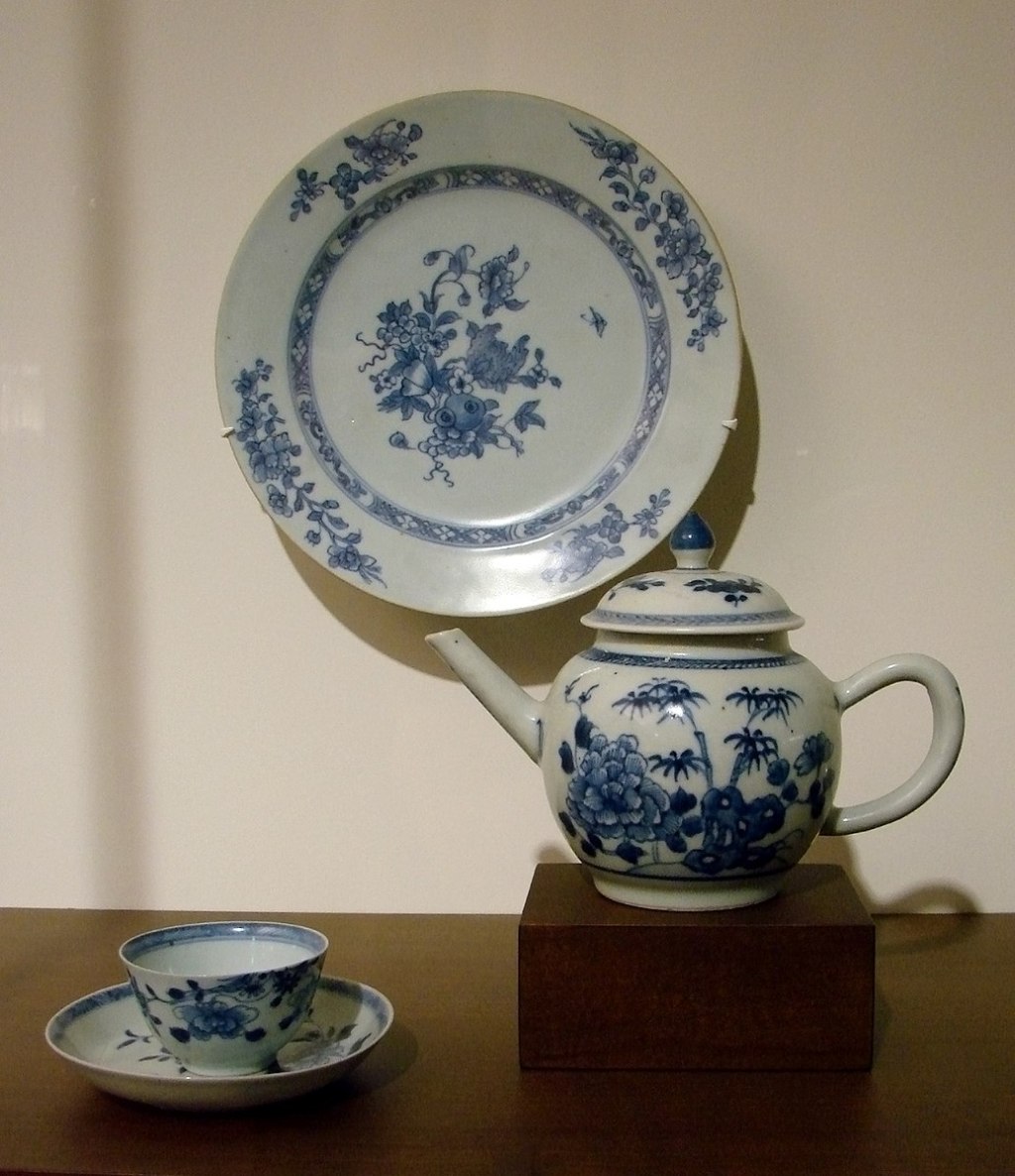
Early Modern Europe saw a rise in the fashionability of “exotic” imports from Asia and the Middle East. Nancy Britten discusses how interest in imported consumer goods strayed beyond elite classes and provided women and those with lower socio-economic status greater mobility to access knowledge.
-
Innocence Betrayed, Condemnation’s Blade
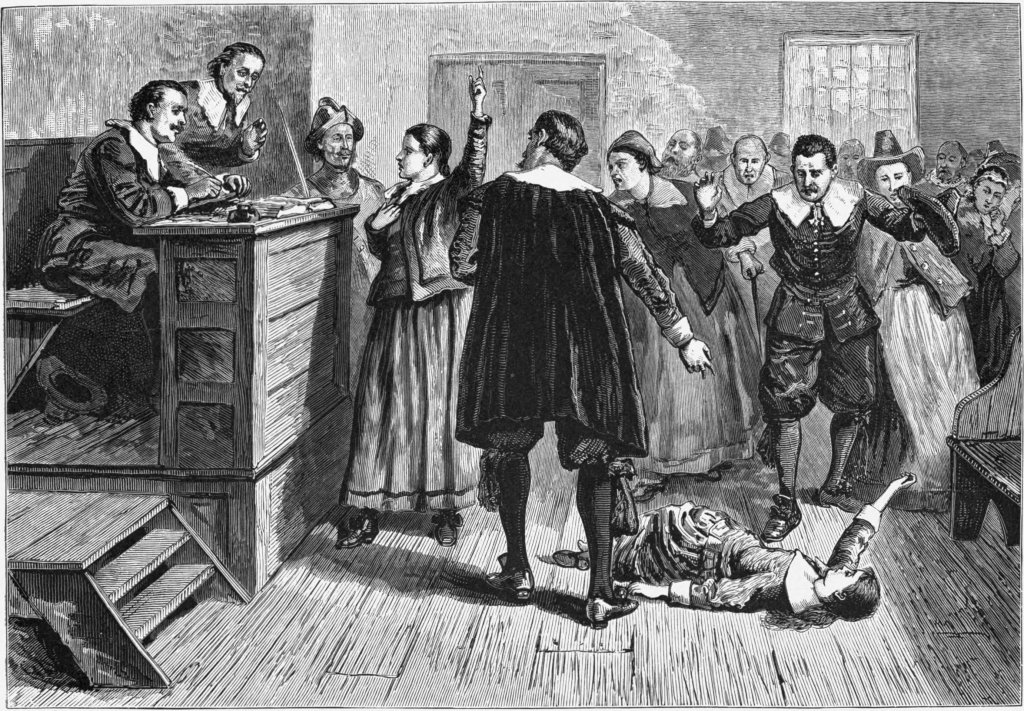
This man, once healed by Sarah’s hand, now accused her, taking a stand. “Her potions cured what prayers could not.” His voice shook, a fearful plot. In this fiction piece, Ambrose Brown explores themes of injustice and superstition in Salem’s history.
 Retrospect Journal