
Category: Features
-
‘We Are The Daughters of the Witches You Couldn’t Burn’; Modern Paganism and The Paradox of the Contemporary Witch
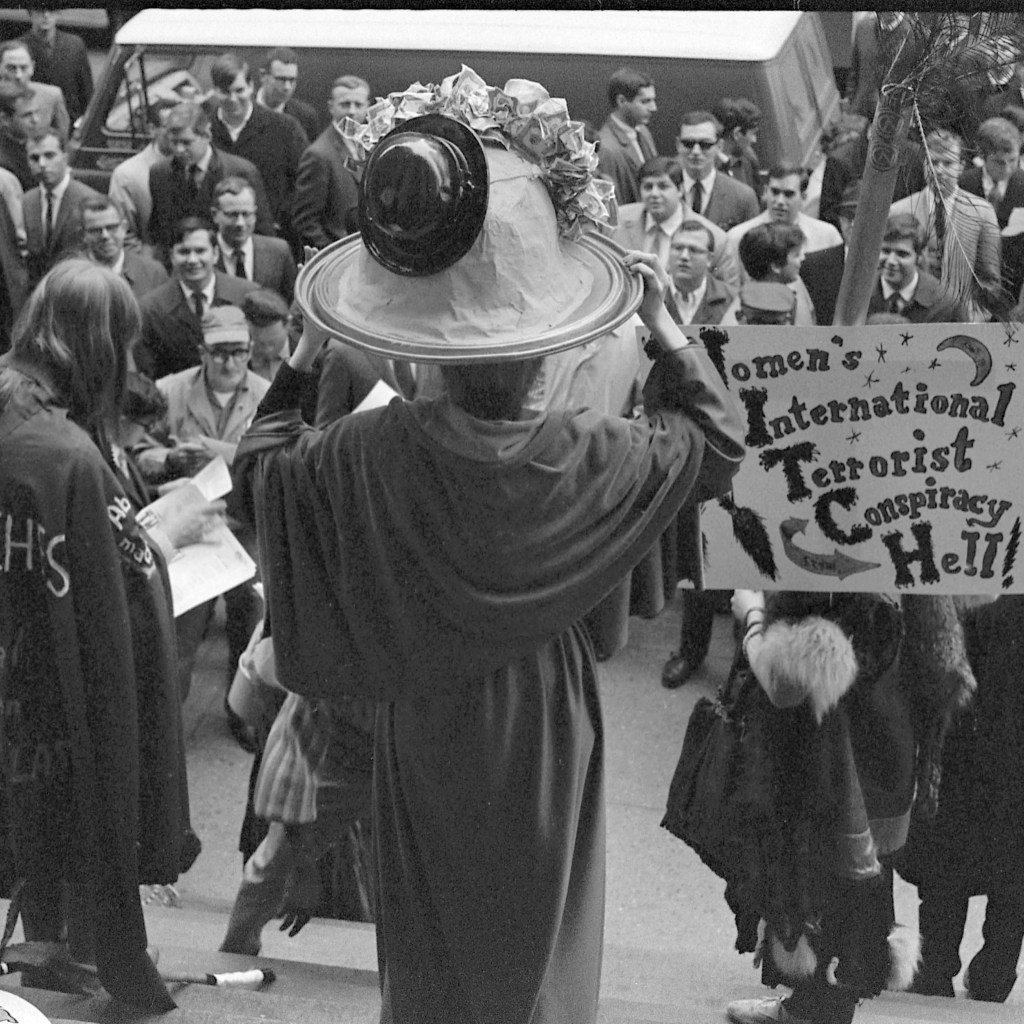
Daisy Gillam explores the historical and cultural transformation of what a witch is.
-
‘The Last Dissenting Voice’ – how the death of Jimmy Carter caused a dark shift in American Politics
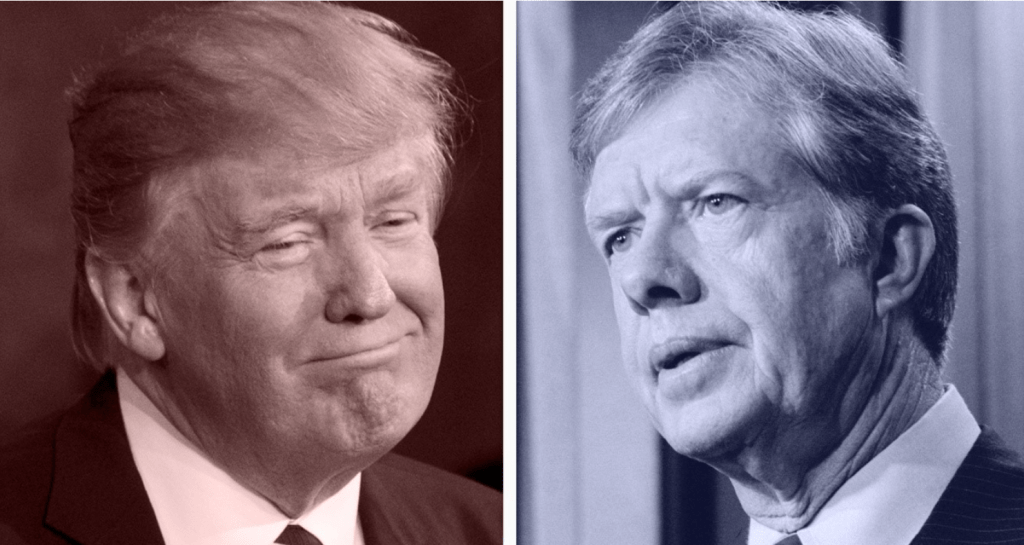
Jimmy Carter, the 39th U.S. President, served from 1977 to 1981, was a vocal critic of his successors, including Donald Trump. Sam Mackenzie explores the political shift which occurred following Carter’s death, comparing inaugural addresses and attitudes towards conflict.
-
Nasta Rojc: Tracing the Life of Croatia’s New Woman
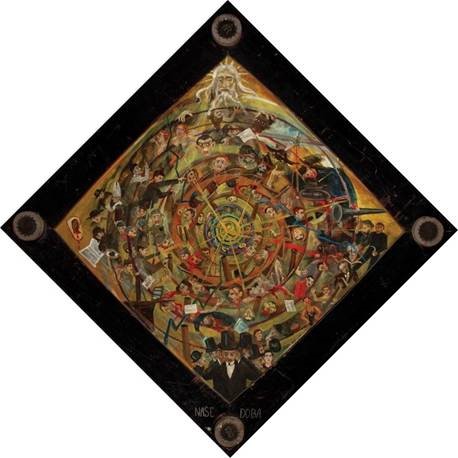
Leila Hajek delves into the life and legacy of Croatian artist Nasta Rojc, who was negated from the art history canon due to her gender, sexuality and identity as Eastern European. Hajek explores her life, legacy and her significant contributions to women’s art.
-
Cartucho y Las Adelitas – the Mexican Revolution through the Female Lens
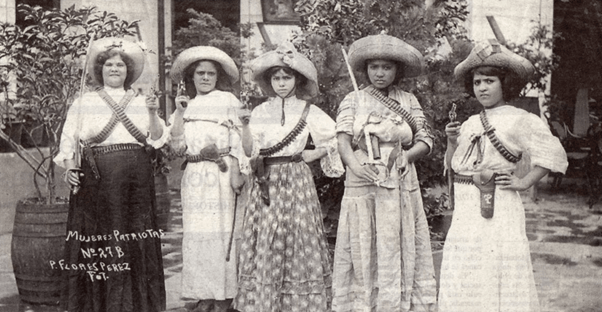
The women of the Mexican Revolution, often overlooked, were crucial to the war effort. Arianna North Castell reviews the book ‘Cartucho’ by Nellie Campobello, who was a child during the conflict. North Castell explores Campobello’s experiences as a child and the normalisation of violence as an everyday reality.
-
What Time is it Mr Willett? The History of British Summer Time
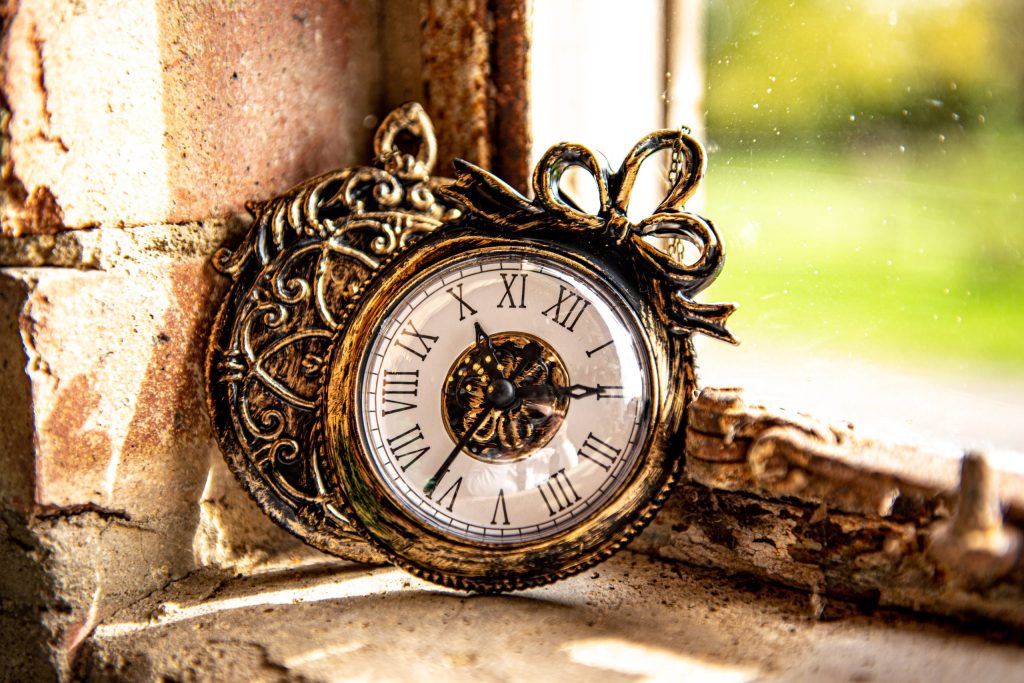
Kate Taylor explores the origins and evolution of British Summer Time (BST).
-
“The American Crime”: Butchery at Wounded Knee, and the End of the Plains Nations
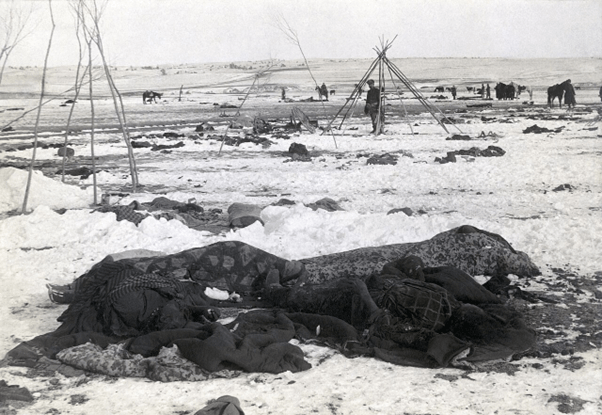
Sam Mackenzie vividly reconstructs the tragic events of the massacre at Wounded KNee.
-
The Factory, the Forest, and Folklore: The Origins of Hiking as a Radical Activity
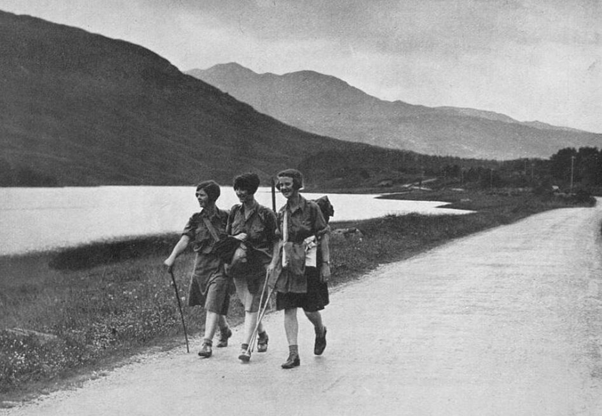
Logan McKinnon explores how hiking can be understood as a radical act of reclaiming nature, fostering freedom and equality while challenging societal norms and structures.
-
Artichokes, Humours, and Swords: A Look at a Revealing Episode in Caravaggio’s Life

Helene Chaligne examines one particularly strange moment in Caravaggio’s life, in which a debate about the preparation of artichokes led to a Roman brawl.
 Retrospect Journal