
Category: Features
-
“Know No Shame”: Black Sails and Writing the Historical Fiction of Sexuality

Written by Jess Womack. The television series, Black Sails, approaches the question of “pre-modern” sexuality. Through a range of individual experiences, it offers a route to writing the historical fiction of sexuality.
-
Spilling Over: Ovid’s Heroides and the Mythological Female Voice
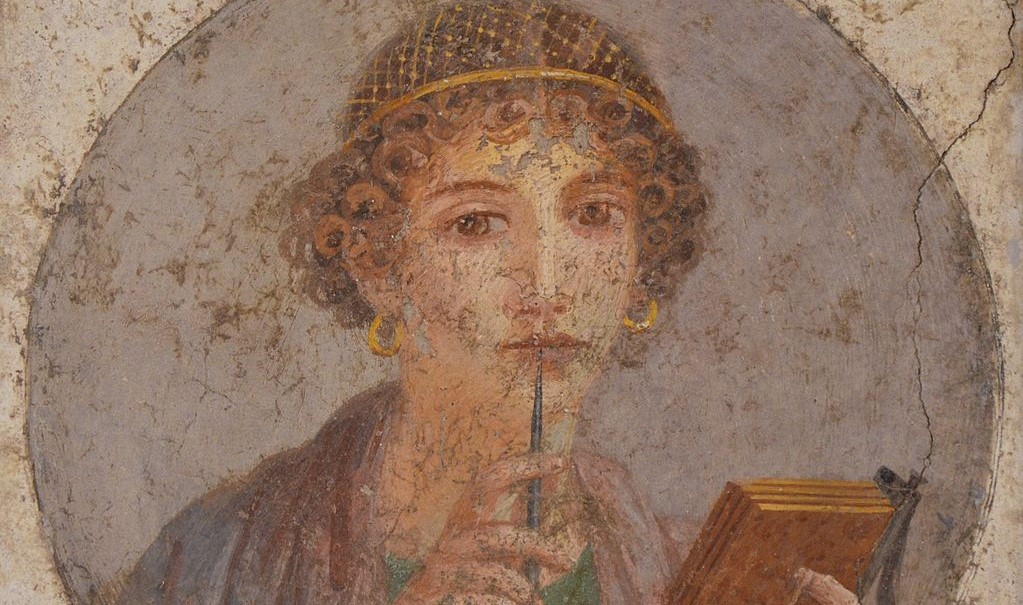
Written by Hazel Atkinson. Ovid’s Heroides is one of his most understudied texts. It consists of fifteen “letter” poems written from the perspective of various female characters of Greek myth. How might the text alter our perceptions of Greek myth and writings about it?
-
The Peter Higgs Plaque and its Background

Written by Kat Jivkova. Peter Higgs, the physicist responsible for the discovery of the Higgs boson, is celebrated in a plaque at his former Edinburgh residence. Now an Emeritus Professor at the University of Edinburgh, Higgs’ exceptional advancements in the field saw him awarded the Nobel Prize in Physics in 2013.
-
Back to School: History Education and the Coronavirus Tutoring Initiative

Written by Jess Womack. Over the past year, the Coronavirus Tutoring Initiative has been linking up University students and Secondary School pupils. This “return to school” has revealed some of the problems in the current approaches to teaching history.
-
“Hell on wheels”: The Miserable History of the Edinburgh Trams project, 2001 to the Present
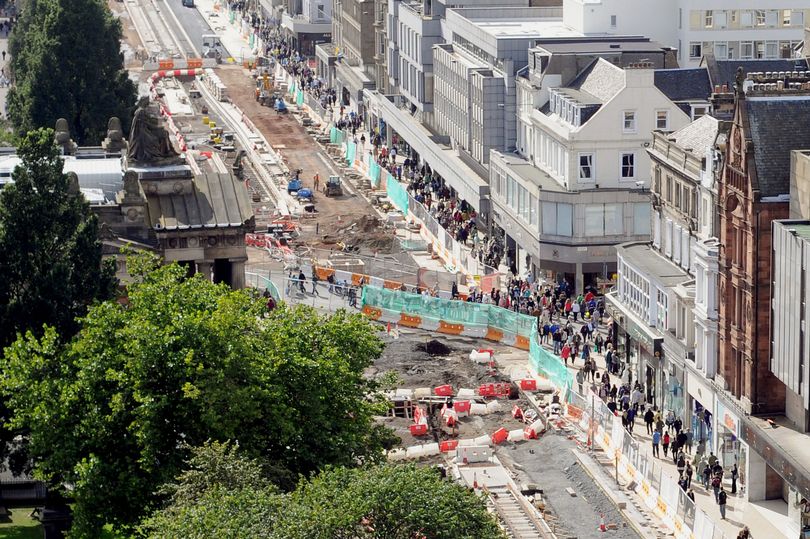
Written by Inge Erdal. Anyone who’s been living in Edinburgh for a while is familar with the central tram system. To the ire of many inhabitants, the project was plagued with problems for the start. What can it tell us about local governance, national projects, and the task of creating urban environments in the twenty-first…
-
The Historiography of Oral History: From Prehistory to the Present

Written by Tristan Craig. Oral History has become a fundamental part of contemporary historical practice. Where do its origins lie? And, what can it offer beyond textual sources?
-
Walking in the Shadows: Britain’s Corpse Roads
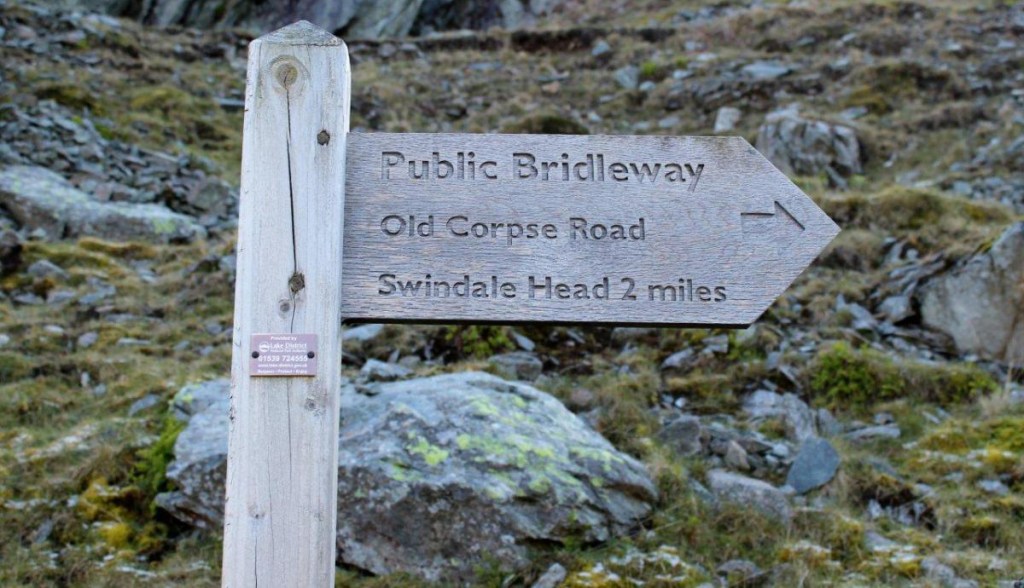
Written by Hazel Atkinson. The old corpse roads of Northern England are situated between myth and memory, often becoming the topic of ‘folk horror’ discussions online. These paths marked the route of corpses on their way to burial, but what can they teach us about different methods of history?
-
“Deviant” Representation & Narrative Reclamation
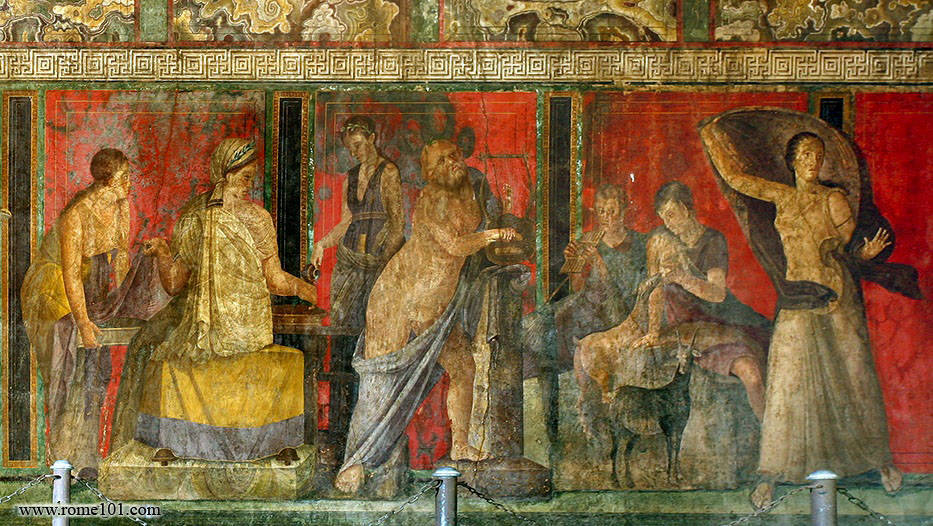
Written by Justin Biggi. The Dionysian frescoes housed in Pompeii’s Villa of the Mysteries have confused scholars since their discovery. Yet, work by artists involved in the Visual AIDS collective may offer one route to interpreting these Ancient frescoes.
 Retrospect Journal