
Category: Features
-
Bluetooth: how an everyday technology is named for a Danish King (and blueberries)

Bluetooth is a near ubiquitous technology, but where did it get its name from? Darcy Gresham explores the viking inspired origins of the wireless technology.
-
Threads; The Story of a Harrowing Nuclear Drama

During the Cold War, nuclear annihilation was perhaps the most harrowing extinction-level event people worried about. Jess Clark explores how the 1984 BBC television-drama terrified British citizens by showing them what may have been if the bombs dropped.
-
The Abandoned Hotels of Kupari: The Prosperity and Decline of a Hotel Complex in the Jewel of the Adriatic

Elizabeth Price explores the remnants of the Croatian War for Independence—the Abandoned Hotels of Kupari.
-
The importance of anonymous texts in breaking social stigma – A Woman in Berlin
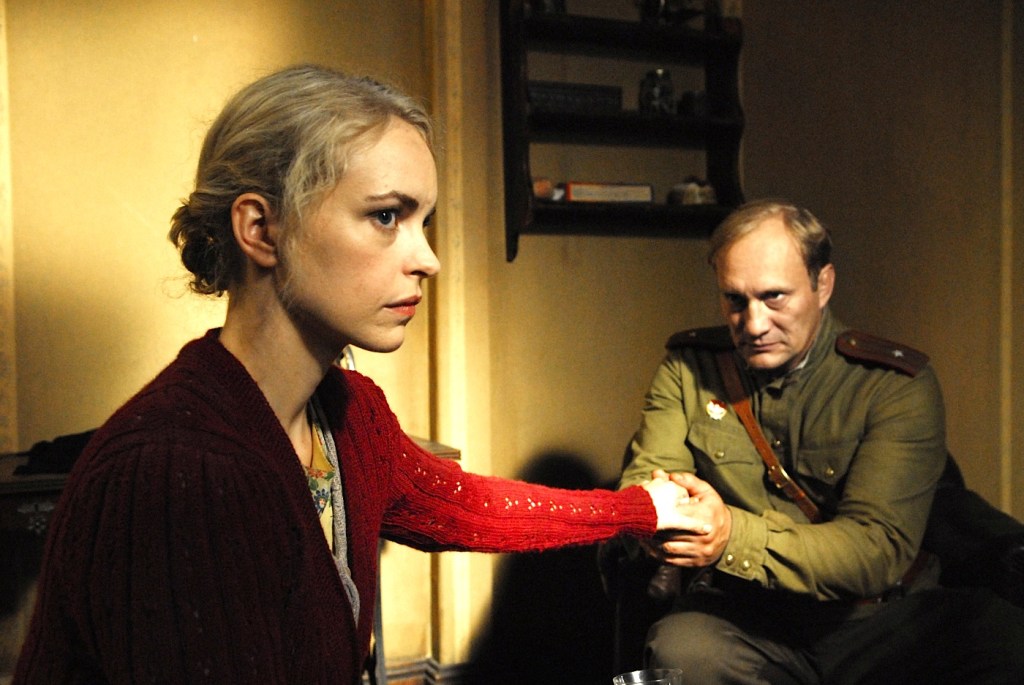
Elena Fritzsch explores The anonymity of “A Woman in Berlin”, a poignant memoir of post-war survival.
-
Craigmillar Castle: Edinburgh’s Forgotten ‘Other Castle’

Craigmillar Castle boasts a six-hundred-year history, but is often overlooked as Edinburgh’s forgotten castle. Eleanor Whitehead explores the stories of alleged witchcraft, royal escapes, and infamous plots that haunt the castle’s history.
-
Aristophanes’ Guide to Athenian Dinner Parties
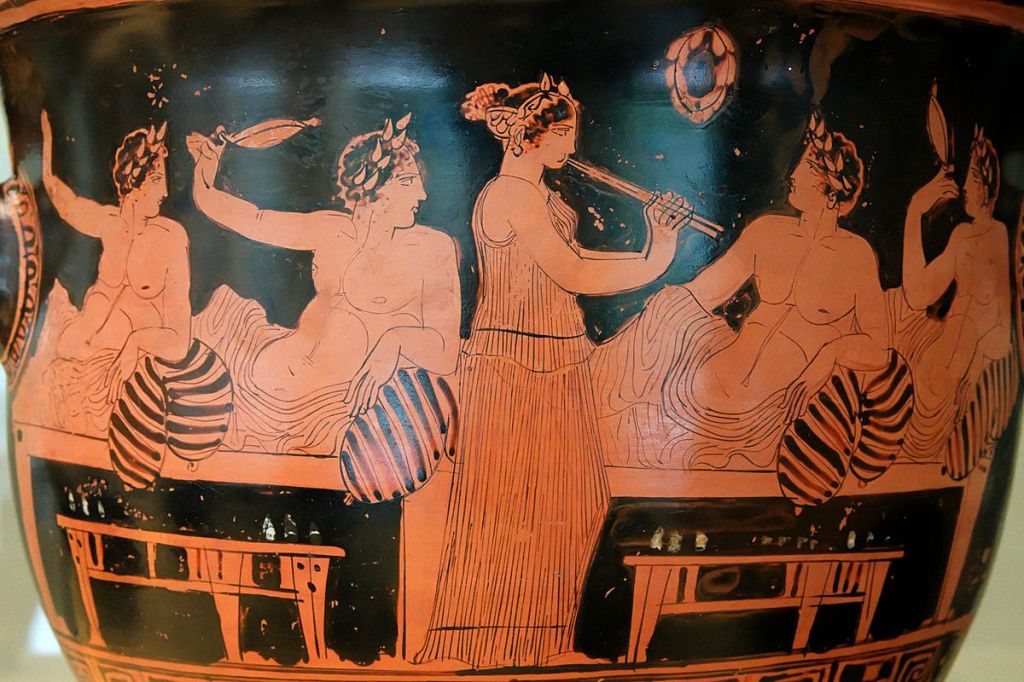
Fiona Macrae gives us an insight into what to expect from an Ancient Greek symposium, based on the plays of Aristophanes.
-
Problems with Plutarch: A glance at the hypocrisy within the tradition of “Mirrors for Princes”

Oscar Virdee looks at works by Plutarch, the tradition of self-help books for rulers and the interpretation of modern scholars.
-
Junk in the Trunk? How 19th Century Women Deceived Men With a Needle and Thread

Tilly Bankes looks at 19th Century French fashion, social hierarchy, US taxation and untaxable goods.
 Retrospect Journal