
Category: Features
-
Comuna 13: Exploring the history of Medellín’s most famous district

Medellín is a city famous for its links to the Colombian drug trade. Meenaskshi Normalan discusses the history of Comuna 13, one of Medellín’s most notorious districts.
-
Lilith: The First Woman

Lilith, often depicted as a demonic figure in folklore and literature, is being re-evaluated in light of feminist discourse for her assertion of equality with Adam, Maddie Everett-Heath explores her transforming image, from feared demoness to a symbol of sexual power and confidence.
-
Auschwitz: A Place Out of Time

Auschwitz is a place that forces us to confront the horrors of the past. Oscar Virdee describes his experience visiting.
-
Egyptian Glam Rockers! – Glitter’s historically entrancing power of expression
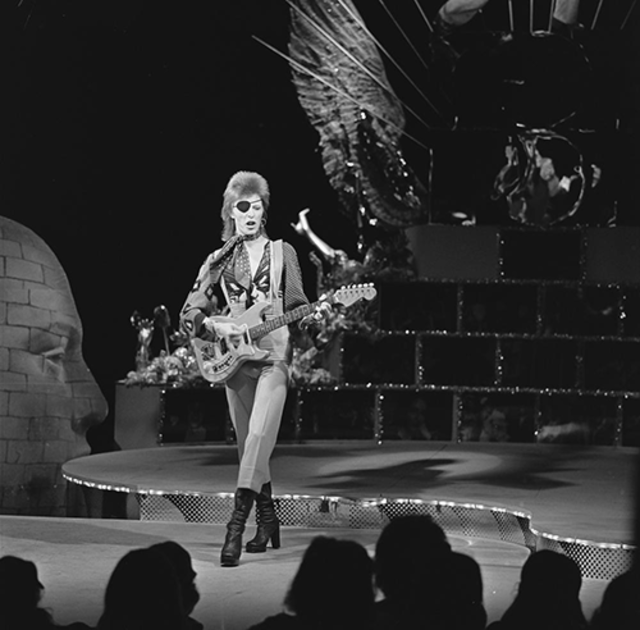
From birthday parties to disco nights, glitter is a ubiquitous visual art used in a wide variety of ways. Tilly Bankes provides a brighter lens on history of these flashy sparkles.
-
‘Poor is Cool’: What Pulp’s ‘Common People’ has to do with Hermitages and the Great British Garden

Megan Crutchley discusses the trope of working-class tourism, highlighting its origins in 18th century British practice of “Hermitages” for the elite to experience simplified, nature-bound lives. The tradition masked and glamorized the realities of working-class struggles.
-
Craigmillar Castle: Edinburgh’s Forgotten ‘Other Castle’

Craigmillar Castle boasts a six-hundred-year history, but is often overlooked as Edinburgh’s forgotten castle. Eleanor Whitehead explores the stories of alleged witchcraft, royal escapes, and infamous plots that haunt the castle’s history.
-
Uncovering China’s Complex History of Animal Welfare: From Compassion to Modern Challenges

Attitudes towards animals vary from culture to culture, with legal and social implications. Sarah Zhou examines China’s history of animal welfare and what it means today.
-
Shakespeare: The Original Orchestrator of ‘Fake News’
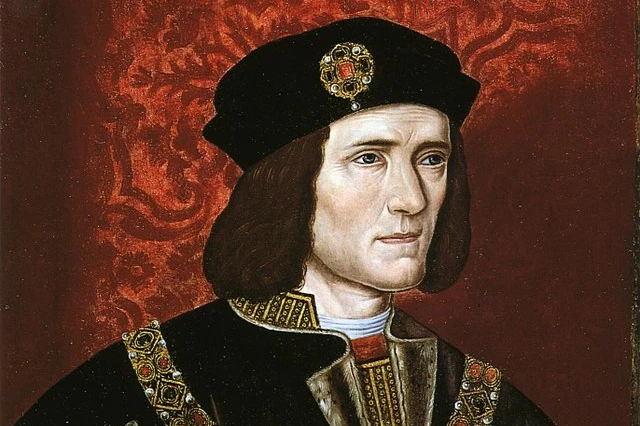
Shakespeare’s characterisation of Richard III has had an enduring impact on the Yorkist king’s legacy. Ella Gibson questions whether this representation is fair or accurate.

