
Category: Features
-
Eyes on the Storm: George Harrison’s and Ravi Shankar’s Concert for Bangladesh
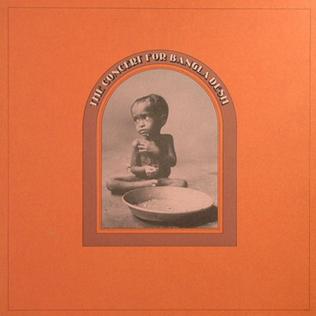
Musicians have used their celebrity presence to advocate for various causes and draw attention to issues around the word. Sam Marks analyzes one of the earliest examples of a modern charity concerts, George Harrison’s Concert for Bangladesh.
-
A Half-Century of Ceefax: The World’s First Teletext Service Celebrates its 50th Birthday!
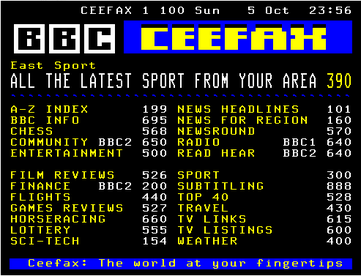
The Information Age has brought about many new ways of communicating between one another. Sam Marks details the story of the Ceefax teletext and how it has been overlooked by the rapid changes in media platforms.
-
Tragedy in the Stars
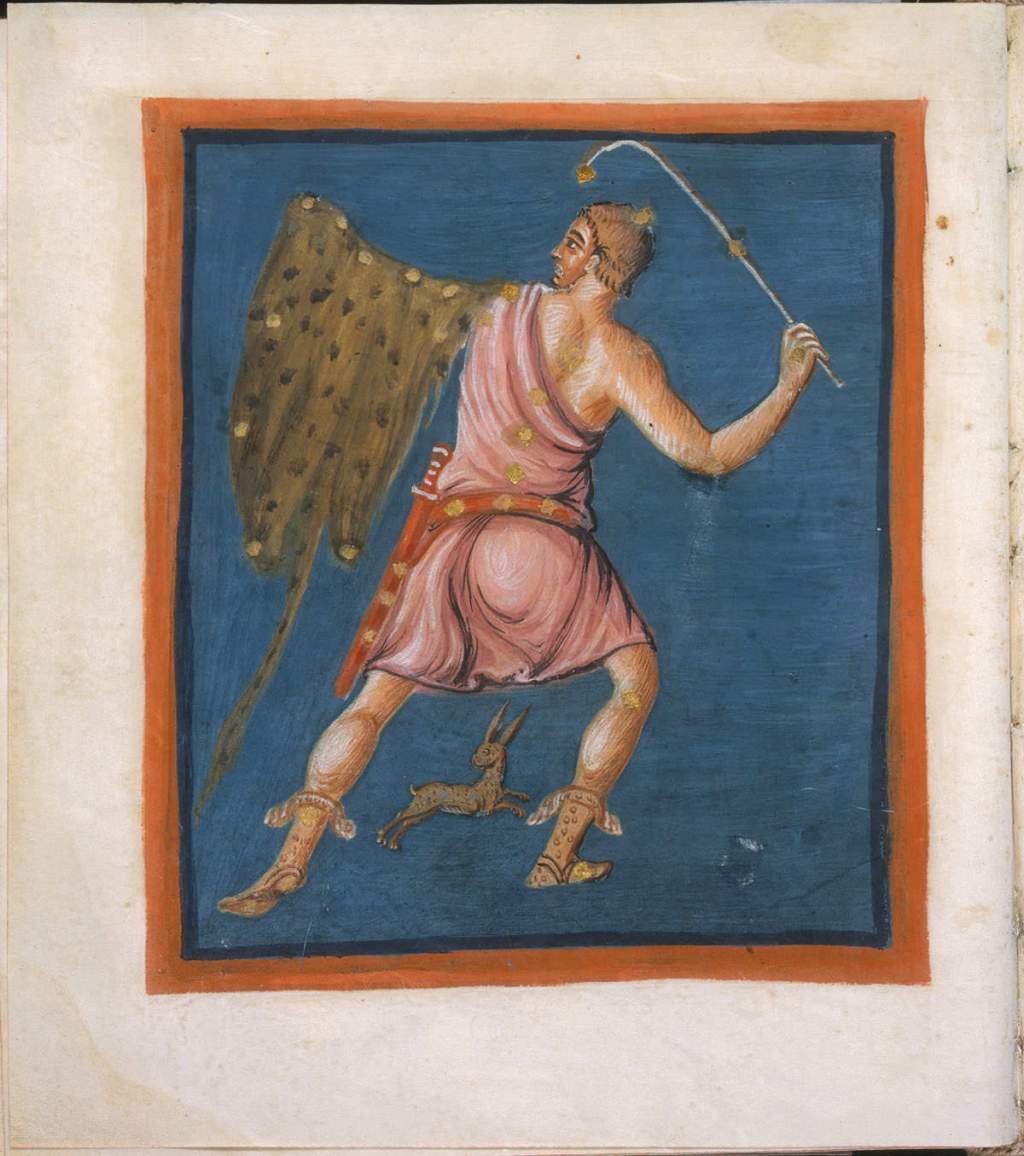
You may know the names of many of the most famous constellations, but do you know their mythological origins? Oscar Virdee outlines the tales of Orion, Hercules, and Calisto.
-
Royal Mail Red: The Post Box as an Enduring Symbol That Connects Us
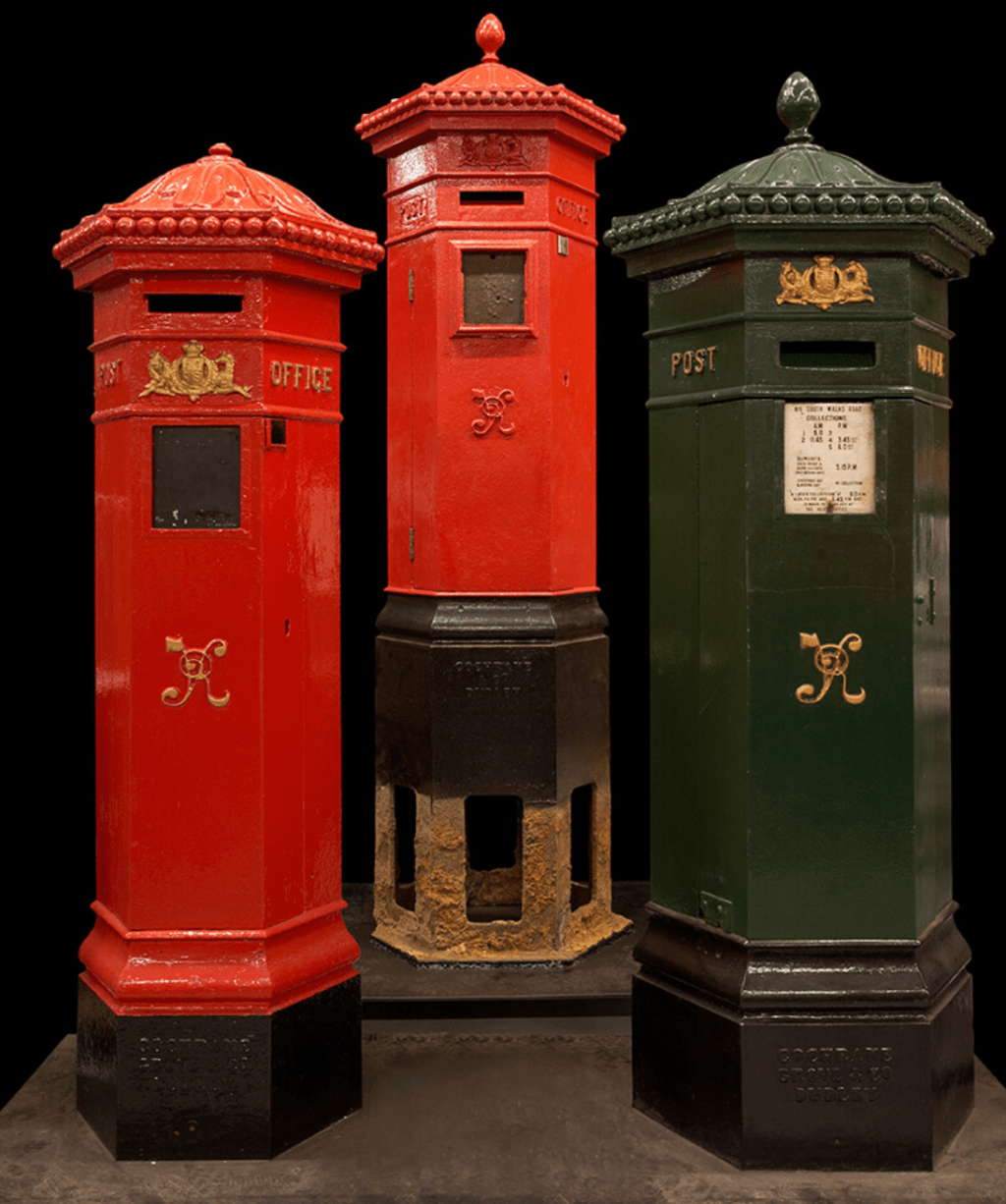
The red post box is an enduring symbol of British national culture. Darcy Gresham traces the history of these essential objects, combining a consideration of the changing nature of the post box with a powerful statement of their social importance.
-
Power Dynamics in Plautus’ Mostellaria (The Ghost)

Titus Maccius Plautus, a Roman dramatist, created influential Latin comedies with fast-paced, witty retorts. Gilbert Edwards explores the interesting dynamics at play in his comedy Mostellaria.
-
Queer Resistance to Oppression: The Rising Voices of LGBTQ+ Resistance in Iran

Olivia Norbury discusses the oppression faced by LGBTQ+ Iranians under the Islamic Republic and their resistance efforts today and across history.
-
Looksmaxxing: A History of Male Beauty

Male cosmetic usage has been present throughout history and consistently been used to question someones masculinity. Torran Irwin discusses the phenomenon of looksmaxxing has been weaponized and commercialized for by the alt-right subculture.
-
The Battle of Stamford Bridge: The Last Great Viking Raid Overshadowed in British History by Other Events of 1066
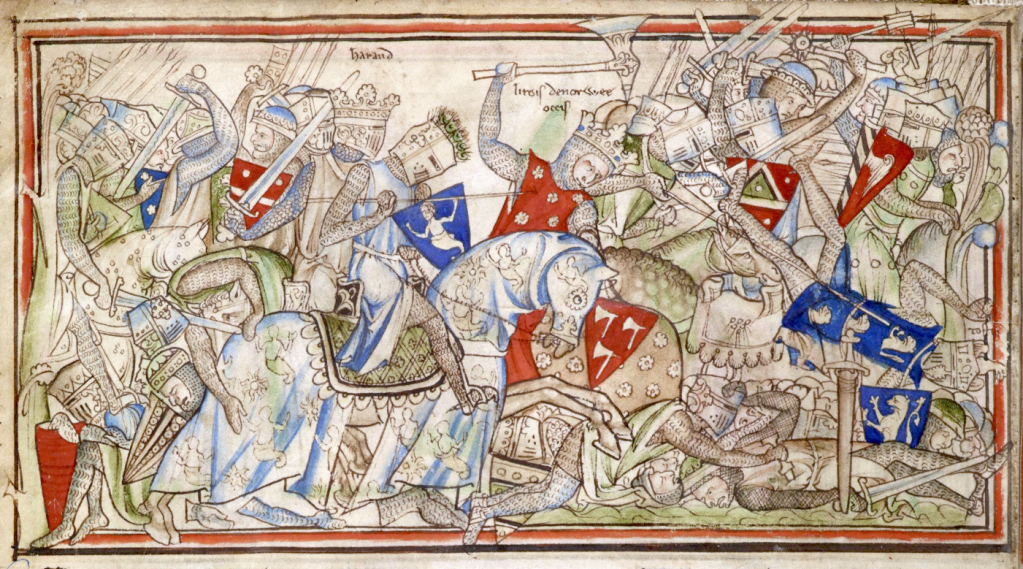
For most, the year 1066 evokes the Battle of Hastings, where William of Normandy fought Harold Godwinson. Darcy Gresham looks at the battle overshadowed by this one, that was no less influential in English history: The Battle of Stamford Bridge.
 Retrospect Journal