
Category: Features
-
The Eroding Consequences of the European Comparison
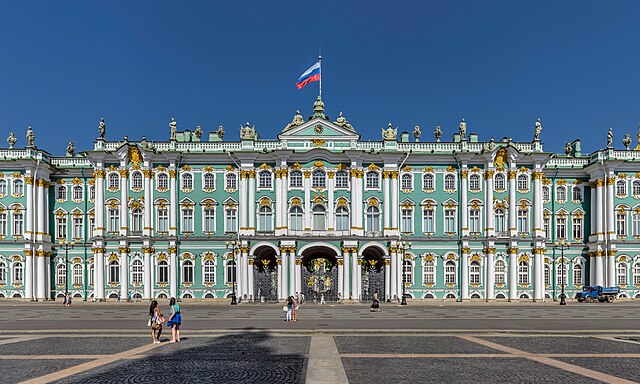
Peter the Great’s attempt to turn Russia into Rome of the north did not last after he passed away. Emilio Luppino analyzes 19th century Russian literature on Russia’s identity crisis in relation to Europe.
-
Emperors and Their Boys: Homosexuality in the Court of China’s Western Han Dynasty
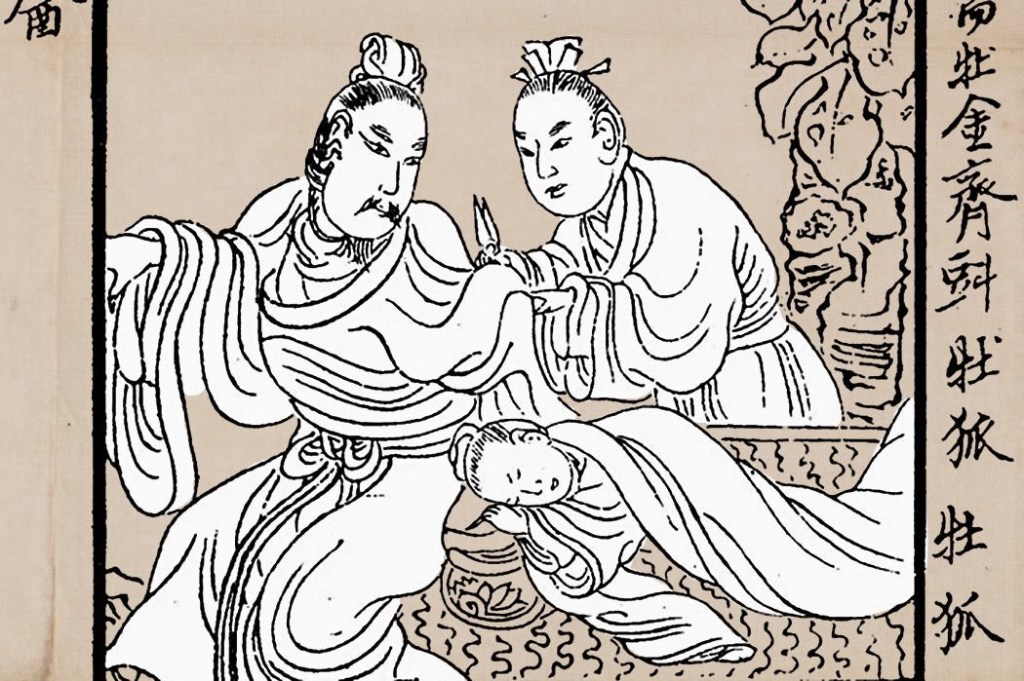
The Han Dynasty emperors engaged in romantic relationships with male companions, reflecting a nuanced perspective on homosexuality. Yet, these relationships intertwined affection with political power dynamics and as Kilan Duan notes, they reveal deeper societal implications regarding loyalty and authority during that era.
-
Murder, Resurrection and Dissection: The Dark History of Edinburgh’s Medical Past
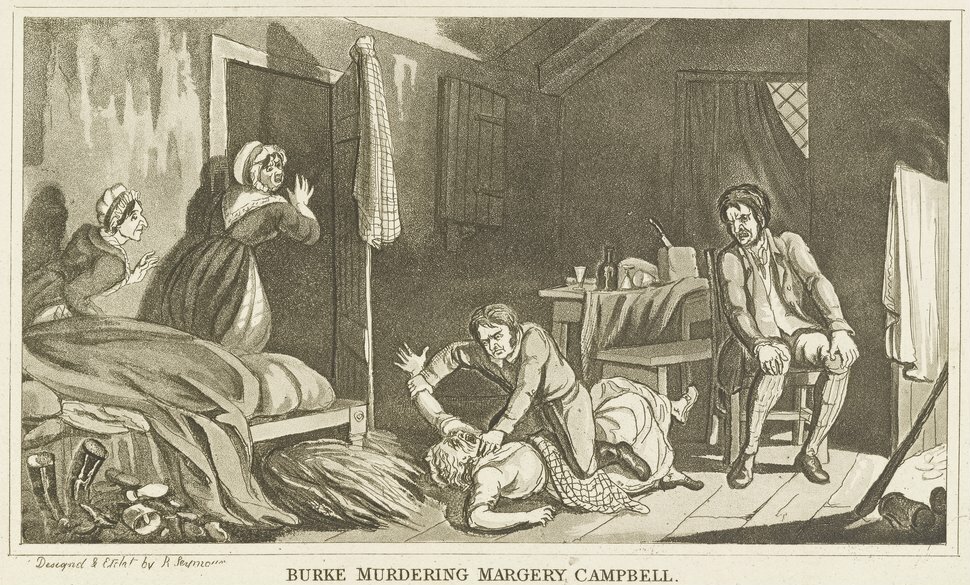
In 1827 Edinburgh, Burke and Hare murdered lodgers to sell corpses to Dr. Knox, leading to Burke’s execution and posthumous dissection for anatomy. Abbie Teal recounts this gruesome episode of Edinburgh’s history.
-
Beyond Boundaries: Pioneers in Chinese Women’s Education from Past to Present
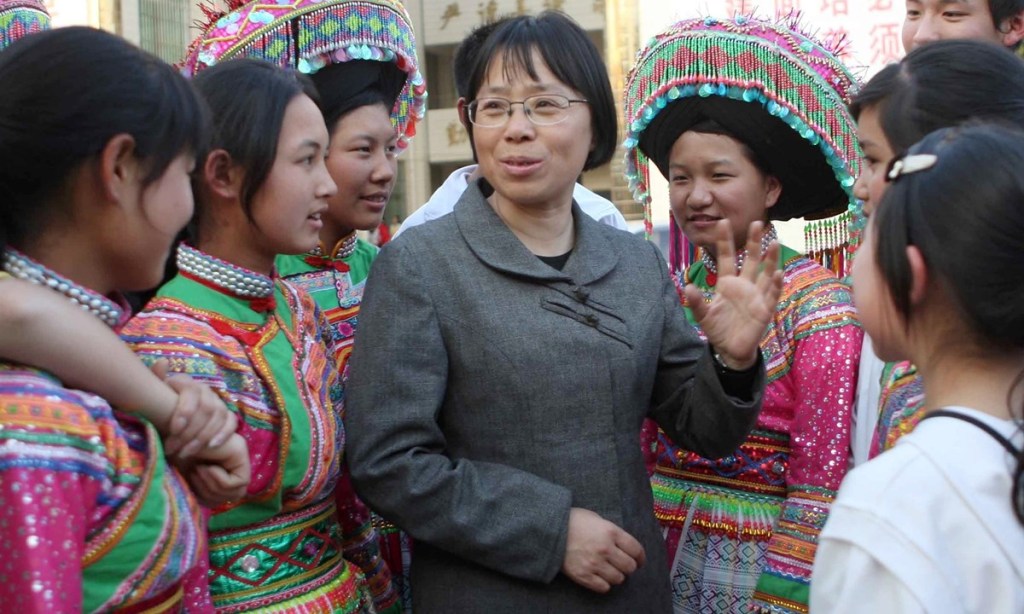
The recent focus on Zhang Guimei and her pioneering work at Huaping High School highlights the vital role of women in advancing education in China. Sarah Zhou discusses how their legacies inspire and promote ongoing efforts towards gender equality and educational opportunities.
-
Kommunalka: The Thin Wall Between the Public and the Private in Soviet Collective Housing

Kommunalka, shared apartments in the Soviet Union, emerged post-World War II, fostering unique communities despite a lack of privacy. Olivia Hiskett reflects on their complex blend of Soviet ideology, necessity, and pre-revolutionary communal traditions, shaping social dynamics amidst distrust.
-
Classical Authors and The Ancient Celts
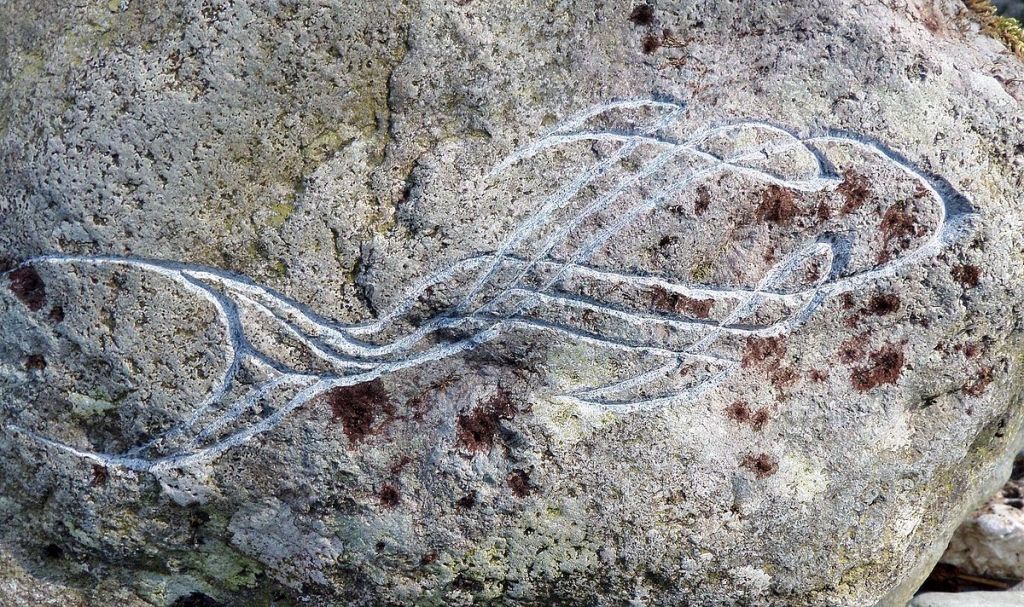
The lack of Celtic self-written evidence before AD 650 complicates understanding of their culture. As Jazmine Chambers argues, Classical texts often portray biased, propagandist views, limiting understanding to military aspects and stereotyping rather than knowing their actual societal intricacies.
-
The Greatest State Robbery in History: Imelda Marcos and the Legacy of Excess
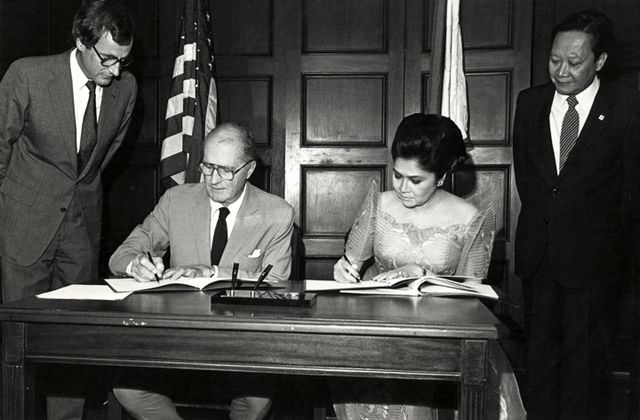
Phillippine President Ferdinand Marcos and First Lady Imedla Marcos stole up to $10 billion in public funds before fleeing the country in 1986. Jake Beecroft explores the legacy of Imelda Marcos and how she continues to remain at-large.
-
The Eleusinian Mysteries: A Journey Through Death and Rebirth

Ami John takes us through the Eleusinian Mysteries, which centered on Demeter and Persephone, emphasizing death, rebirth, and community through transformative rituals and secrets.
 Retrospect Journal