
Category: Academic
-
Beyond Consent: The Inconsistencies of Rape Laws in the antebellum South

The American legal system in the South before the Civil War was highly inconsistent, especially in term of rape and consent laws. Eva Beere explores these antebellum rape laws, and how Black women received less legal protection.
-
“[T]he mute body speaks by its gesture and movement”: A Classical Corporeality in Catherine de Medici’s Tears
![“[T]he mute body speaks by its gesture and movement”: A Classical Corporeality in Catherine de Medici’s Tears](https://retrospectjournal.com/wp-content/uploads/2025/04/catherine-de-medici.png?w=863)
Harry Fry contextualises Catherine de Medici’s tears upon the death of her husband within early modern thinking about, and historiographical frameworks on emotion.
-
Heritage and Amnesia: The Overlooked Legacy of Slavery in Britain’s Country Houses

Olivia Norbury uncovers the untold history of slavery in British country houses.
-
Cleaning Up Auld Reekie: Dr Henry Littlejohn and the Public Health of Edinburgh

Edinburgh has historically been known as ‘Auld Reekie,’ owing to the fact that for most of its existence it smelled awful. Ailsa Fraser explores how Dr Henry Littlejohn, the city’s first Medical Officer, helped to clean up the city.
-
Feminist Interventions in Art from 1970 – 2010
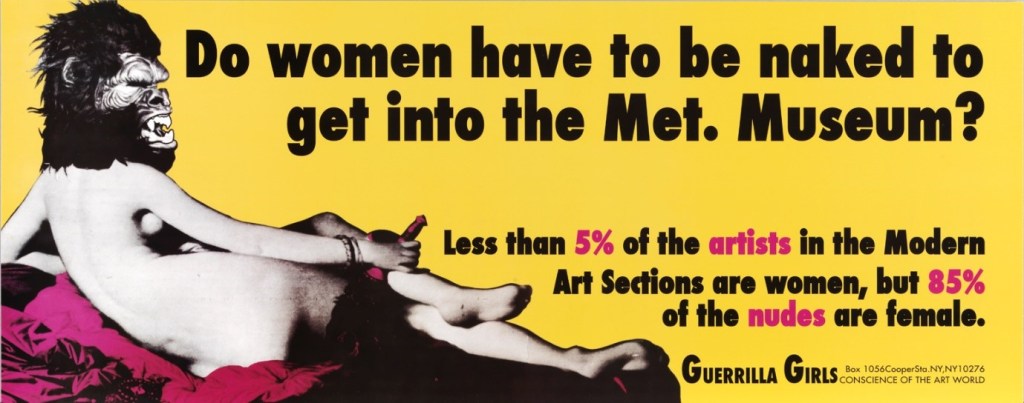
Emily Jones charts the evolution of Feminist Art from the late 1960s, emphasising women’s marginalisation in the male-dominated art world and analysing work notably by the Guerrilla Girls, Valie Export, and Martha Rosler.
-
Witnessing the Spanish Civil War- A Visual Archive from the Republican Side.
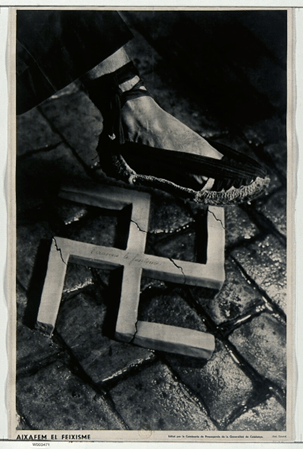
Arianna North Castell discusses the impact of the Spanish Civil War (1936-1939) on Catalan identity and resilience through visual records, particularly photographs by Antoni Campañà. These images reveal women’s unfiltered role in both combat and social recovery, serving as poignant reminders of a traumatic history, urging remembrance.
-
Art in the Harlem Renaissance and its Legacy
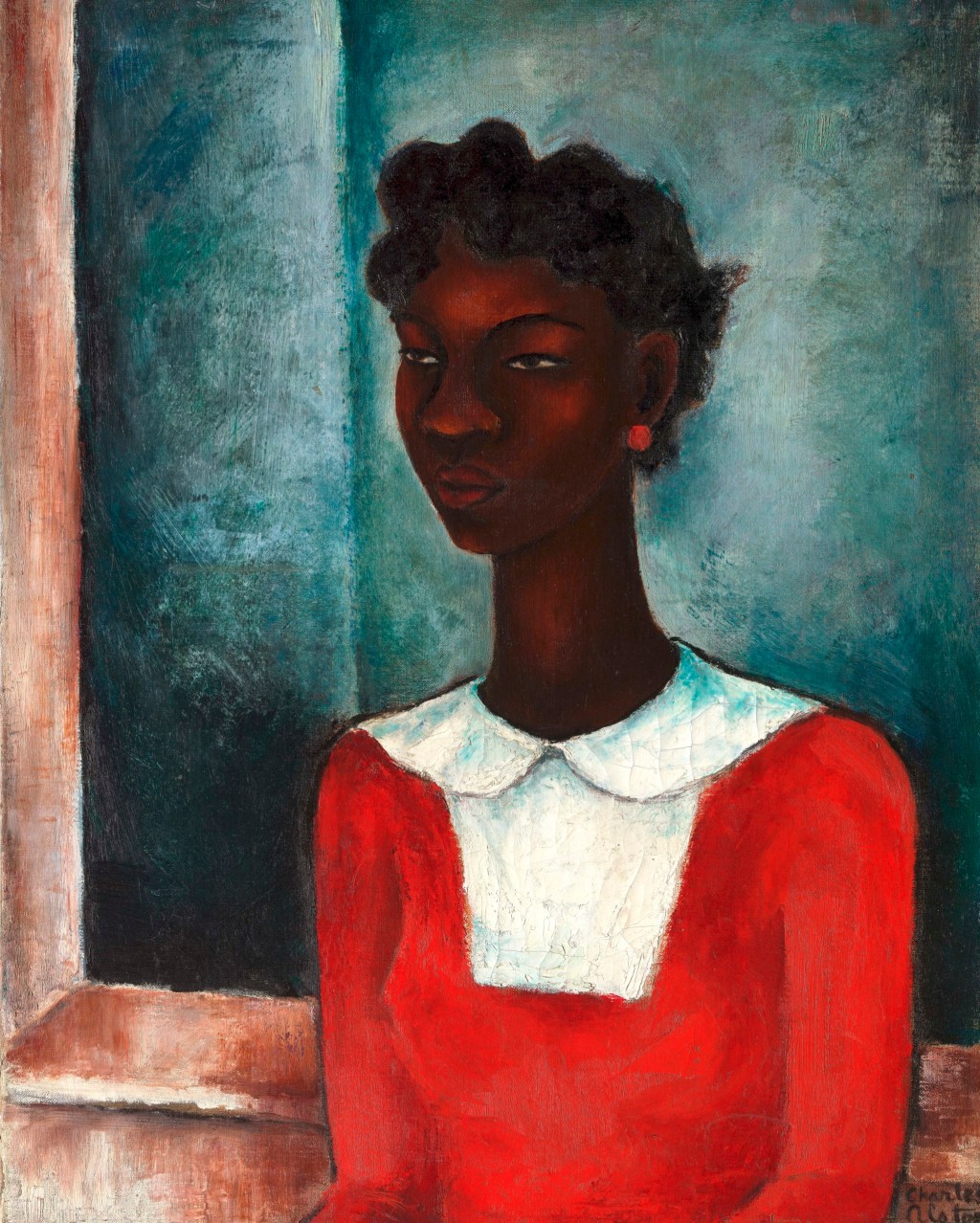
Flora Gilchrist explores the legacy of the Harlem Renaissance through the work of African American artist Aaron Douglas and Charles Henry Alston.
-
The Impact of the 1979 Revolution on Iranian Women: Gains, Losses, and Contradictions

The Iranian Revolution of 1979, led by Ruhollah Musavi Khomeini, drastically altered women’s rights, particularly the rights of middle- and upper-class women. Yael Frankie discusses the previous regime, the Shah’s regime, in comparison with Khomeini’s policies which severely restricted women’s economic and personal autonomy.
 Retrospect Journal