
Category: Academic
-
Skeletons in Westminster: Is it Time to Solve the Mystery of the Princes in the Tower?

The identity of the “Princes of the Tower” has remained a mystery since their sudden disappearance in 1483. Naomi Wallace and Marnie Camping-Harris discuss the prevailing theories regarding their fate, and the debates which continue to preclude examination of their remains.
-
The Galaxy’s Greatest Mystery: Dark Matter and its Development

Within the twentieth-century rise in theoretical cosmology, the study of dark matter gained traction as scientists worked to explain its existence. Kat Jivkova explores the collaborative studies which led to the development of dark matter theory and a means to perceive the invisible.
-
Project Greek Island: Duck and Uncovered

In the 1950s, during the height of the Cold War, nuclear panic led to the creation of underground fallout shelters around the world–sometimes in unexpected places. Sam Marks tells the story of the creation of a classified nuclear bunker for members of the US government underneath an unassuming hotel.
-
Empress Matilda: What Happened to England’s First Female Heir?
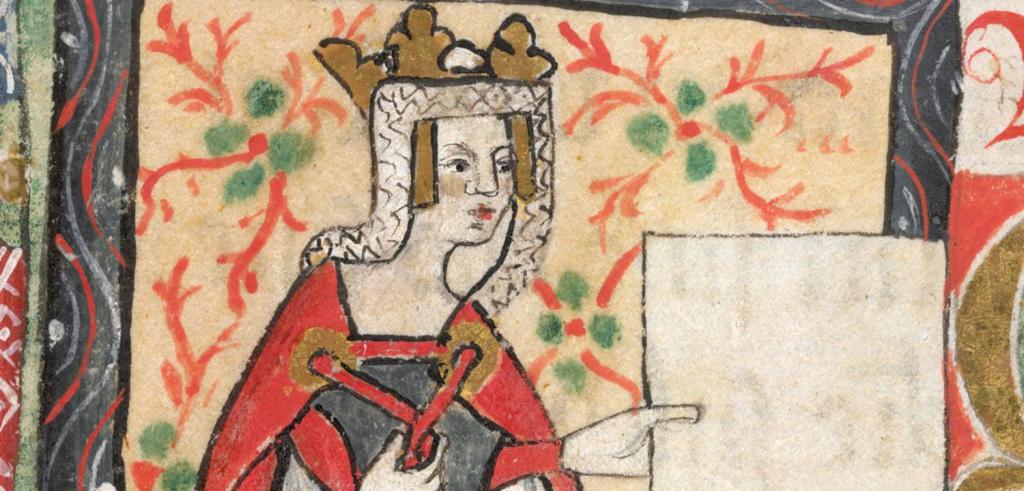
In 1135, with the death of Henry I, England was plunged into civil war over a succession crisis, at the heart of which lie the question: should a woman be able to sit on the throne? Megan Crutchley explores the life and legacy of Empress Matilda, the woman who almost became the first ruling Queen…
-
Decline, Fall and Reuse: Greek Nationalist Uses of Byzantine Archaeology since 1830

Following the collapse of the Byzantine Empire to the Ottomans in 1453, it found new provenance in shaping Greek identity during its struggle for independence. Verity Limond explores the place of Byzantine archaeology alongside glorification of the classical past.
-
Beth Shean Sarcophagi: Why are these finds significant?
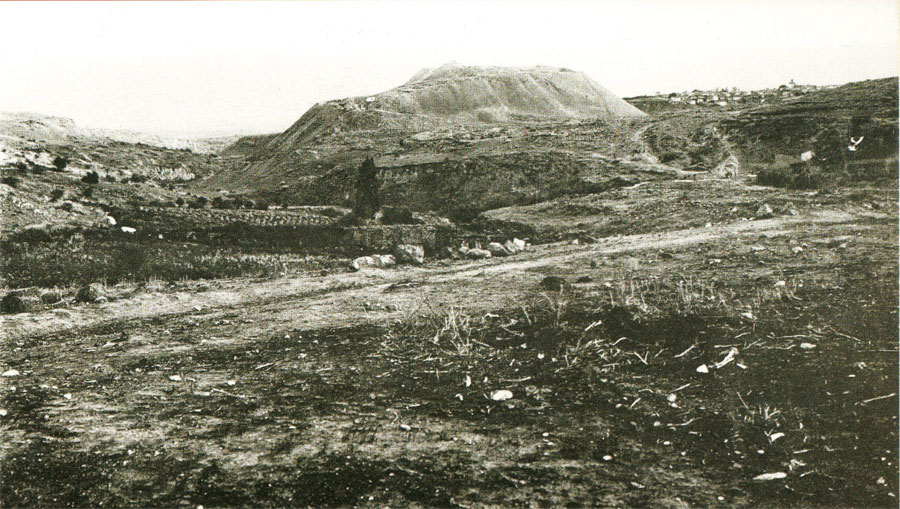
A collection of clay coffins excavated in Beth Shean dating to the New Kingdom of Egypt have led to a number of competing theories regarding their provenance. Eleonora Soteriou discusses the significance of this find and what it might reveal about identity and acculturation during a time of Egyptian expansionism.
-
Tudor True Crime: The Bizarre Death of Amy Dudley

On 8 September 1560, the body of Amy Dudley, the first wife of Robert Dudley, was discovered at the foot of a staircase. Naomi Wallace examines the scandal and suspicion surrounding her tragic demise.
-
The Pendle Witches: How a Nine-Year-Old Girl Sentenced Her Family to Death
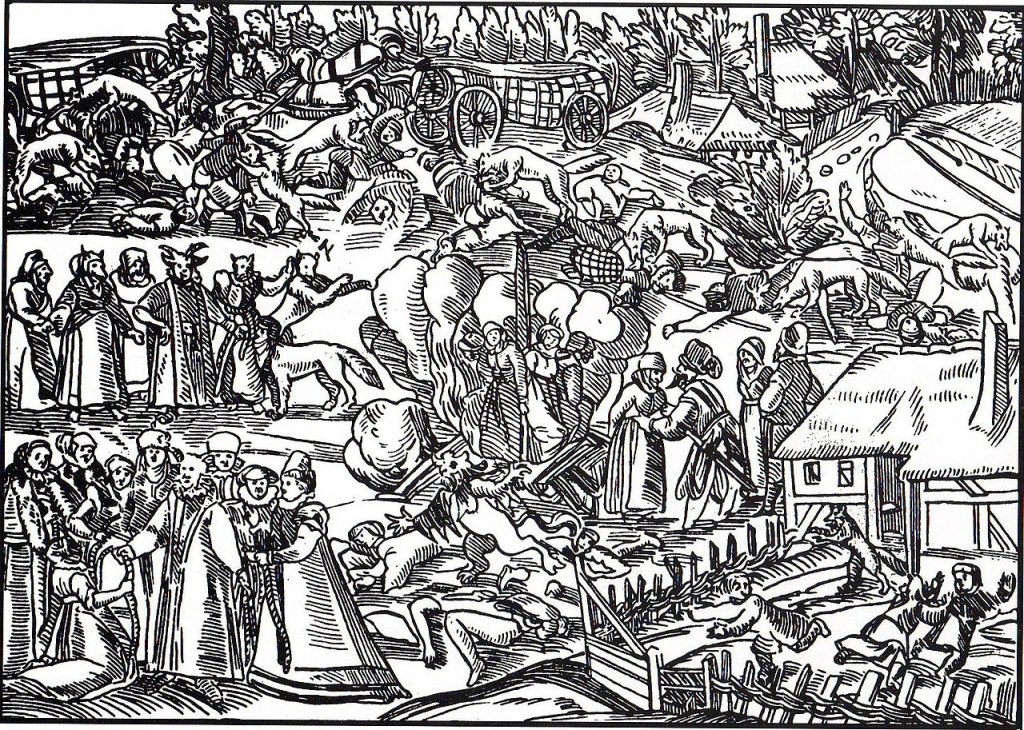
On 18 August 1621, nine-year Jennet Device testified against her family during the notorious Pendle witch trials. Marnie Camping-Harris examines how the young girl came to be a key witness in a case which resulted in the execution of her closest relatives.
 Retrospect Journal