
Category: Academic
-
The Immorality of British Troops during the American Revolutionary War: The Baylor Massacre

The Continental Army in the American War of Independence has consistently been portrayed as immoral when compared to the tactics used by the British Army. However, Isabelle Shaw discusses the lack of British military morality during the Revolution by exploring the consequences of the Baylor Massacre.
-
The Spirometer – A Scientific Instrument Used for Racial Othering

Sarah Toland discusses how the Spirometer initially spurred interest in vital capacity measurements. However, by the 1930s, it became a tool for racial classification in medical research worldwide.
-
No War, No Peace: Why the Stones of the First Intifada Feel Heavier Each Day

The Palestinian struggle has made headlines around the world these past few weeks. In this article, Aliya Okamoto Abdullavea explains the history behind it.
-
Bush v. Gore: The Erosion of American Election Integrity
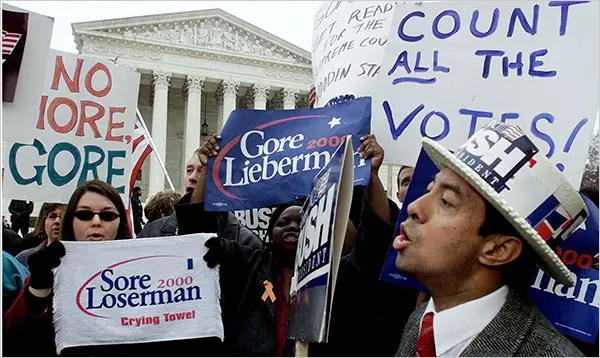
Few elections in US history have been as contentious or controversial as the 2000 Presidential election between George W. Bush and Al Gore. Edie Christian explores how the Supreme Court’s decision to intervene in the election process has caused public distrust in American political institutions.
-
Can it be considered anachronistic to refer to medieval people as queer?

Queer people have existed through history, but they haven’t always called themselves as such. Marnie Camping-Harris examines whether it’s anachronistic to apply the term “queer” to medieval people.
-
How the development of writing systems changed the way our brains work, and how modern technology is changing it again

Writing is an invention so integrated into our lives that we hardly think about it. But it certainly changes the way we think. Kate Jensen takes a look at the way writing systems changed our brains, and what that means for modern technology.
-
The Pursuit of Morality: The Difference Between The First British New Left and The Orthodox Communism
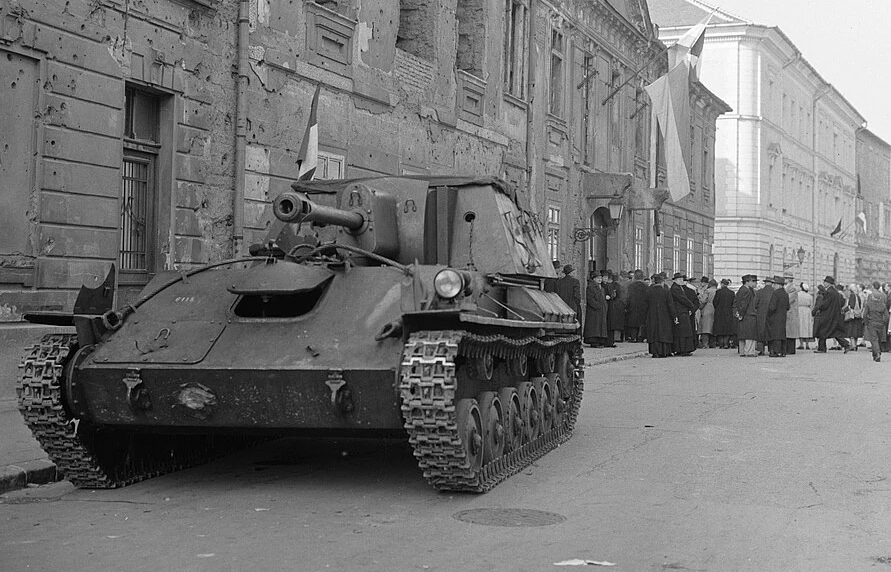
The Soviet intervention in the Hungarian Revolution of 1956 was an upheaval for British socialists. Jiajun Wang looks at the British workers’ movement and nuclear disarmament as well as the New Left.
-
Werewolves in the Ancient Novels
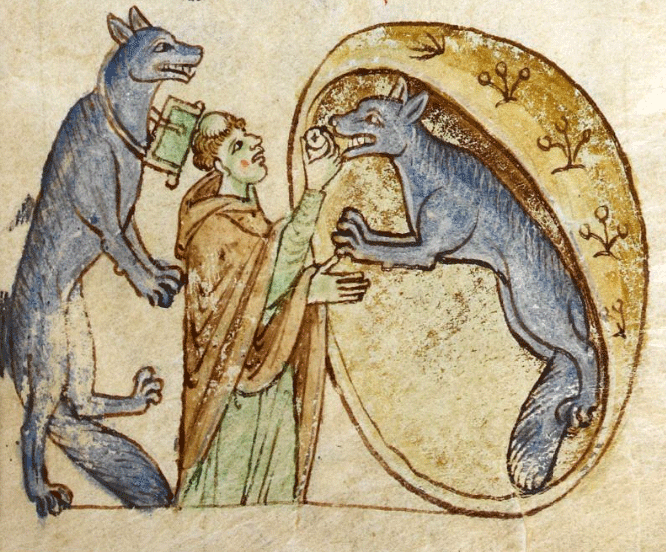
Werewolves are a popular staple in supernatural stories today, but the werewolf has ancient origins. Fiona Macrae demonstrates two examples from ancient novels.
 Retrospect Journal