
Category: Academic
-
Not Quite Champing at the Bit: The Horse Statue that took Half a Millennium to Complete

Of the many notable inventions of Leonardo Da Vinci, one of the least focused on was a statue of a horse that was destroyed during a war between Italy and France. Kate Jensen discusses the complex reconstruction of the Sforza Horse statue 500 years after it had been destroyed.
-
Genghis Khan, the ‘Defender of Religion’: an Exploration of Religious Tolerance in the Mongol Empire
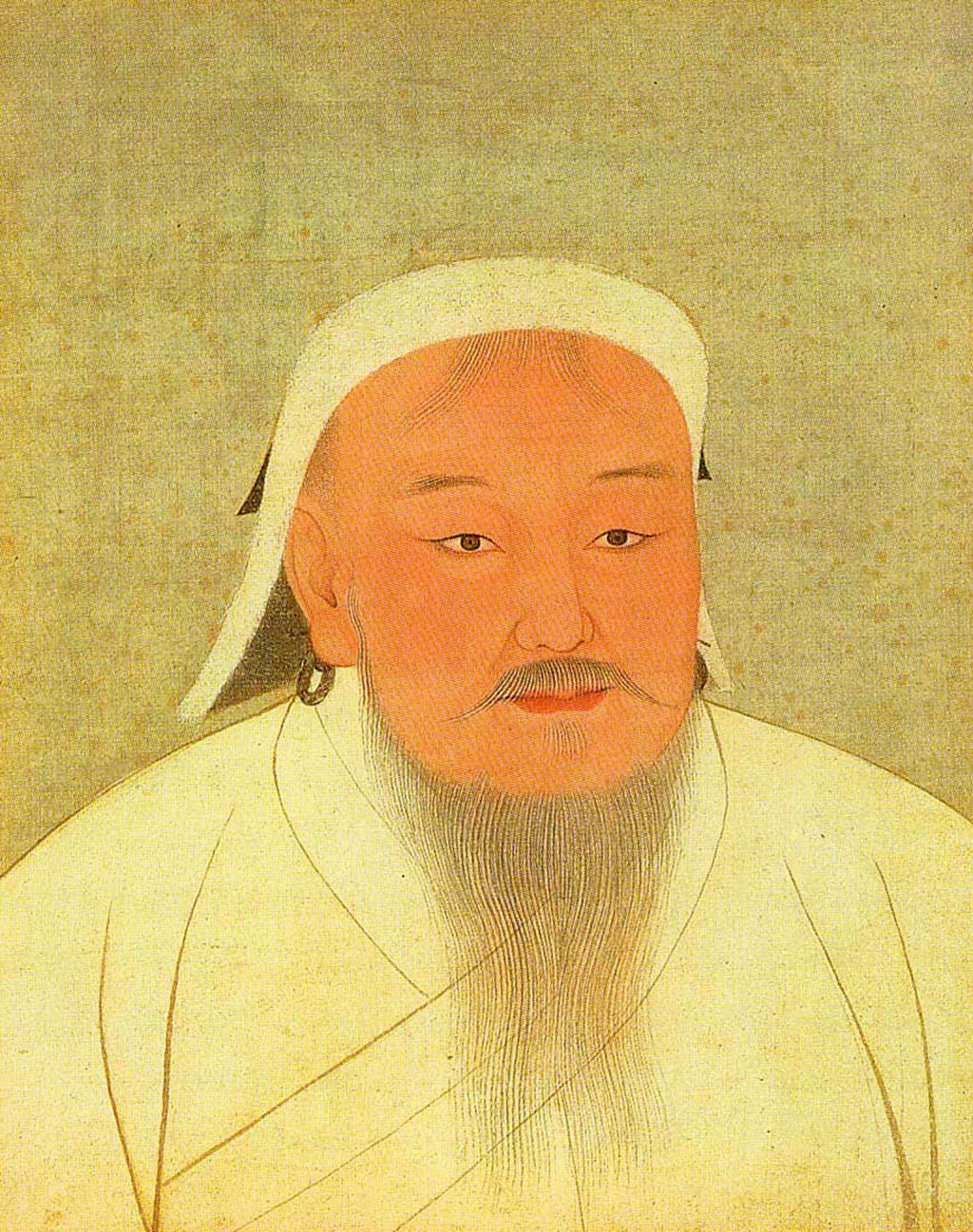
Poppy Williams explores whether Mongol Ruler Genghis Khan can truly be considered a ‘Defender of Religion.’
-
The Strange History of X-Ray Music in the Soviet Union
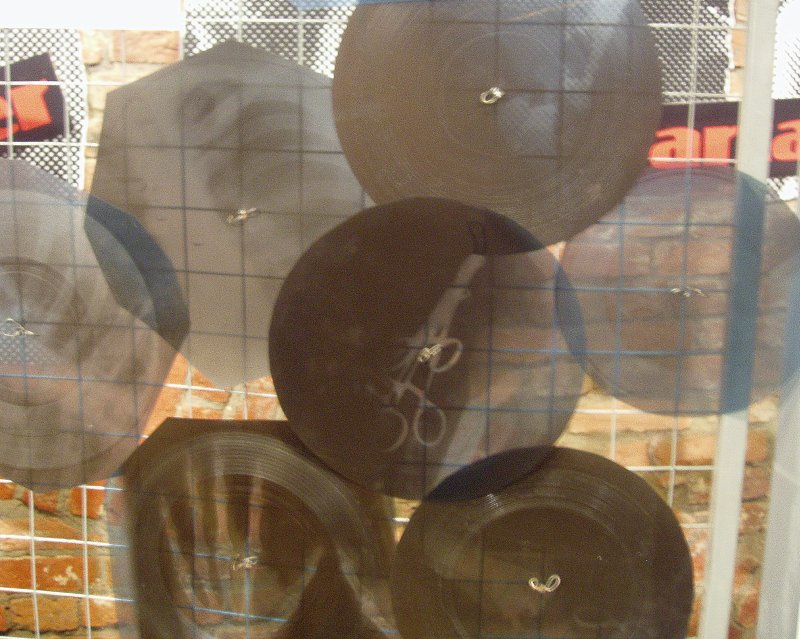
Black markets throughout the Soviet Union were no stranger to selling western goods. But perhaps the most creative way to smuggle western music into the USSR was through the repurposing of X-Rays for vinyl records. Sally Dolphin explores the unique history of ‘bone music’ in the Soviet Union and how the craft help spread prohibited…
-
How the Napoleonic Wars triggered a rise in and changed the nature of European Nationalism

The rise of nationalism is central to modern political history. Finlay Drummond-Cormack discusses the role of the Napoleonic Wars in fostering nationalist sentiment across early 19th century Europe.
-
To what extent were Tsarist failures the main cause of the downfall of the House of Romanov in February 1917?

The Russian Revolution is one of the most complex moments in modern political history. Alexei Joukovski examines the role of the Tsars in ensuring the downfall of the House of Romanov in 1917.
-
Louis Pasteur, lyssavirus, and the journey to the rabies vaccine

The rabies vaccine has been one of the most important contributions to immunology. Ishaabhya Tripathi discusses the work of Louis Pasteur, the man who made the vaccine and the legacy it has.
-
The Immorality of British Troops during the American Revolutionary War: The Baylor Massacre

The Continental Army in the American War of Independence has consistently been portrayed as immoral when compared to the tactics used by the British Army. However, Isabelle Shaw discusses the lack of British military morality during the Revolution by exploring the consequences of the Baylor Massacre.
-
The Spirometer – A Scientific Instrument Used for Racial Othering

Sarah Toland discusses how the Spirometer initially spurred interest in vital capacity measurements. However, by the 1930s, it became a tool for racial classification in medical research worldwide.
 Retrospect Journal