
Category: Academic
-
Politics of Memory: The Kosovo Myth and the Rise of Serbian Nationalism

Edie Christian explores the Yugoslav Wars from 1991 to 2001, driven by ethnic tensions and Serbian nationalism, especially following Tito’s death. Slobodan Milošević exploited the Kosovo myth, linking historical victimization to bolster nationalist sentiment. His rhetoric incited violence and civil conflict, culminating in war crimes resulting in approximately 140,000 deaths and significant displacement.
-
Elizabeth Siddal: Artist, Myth, Doomed Muse?
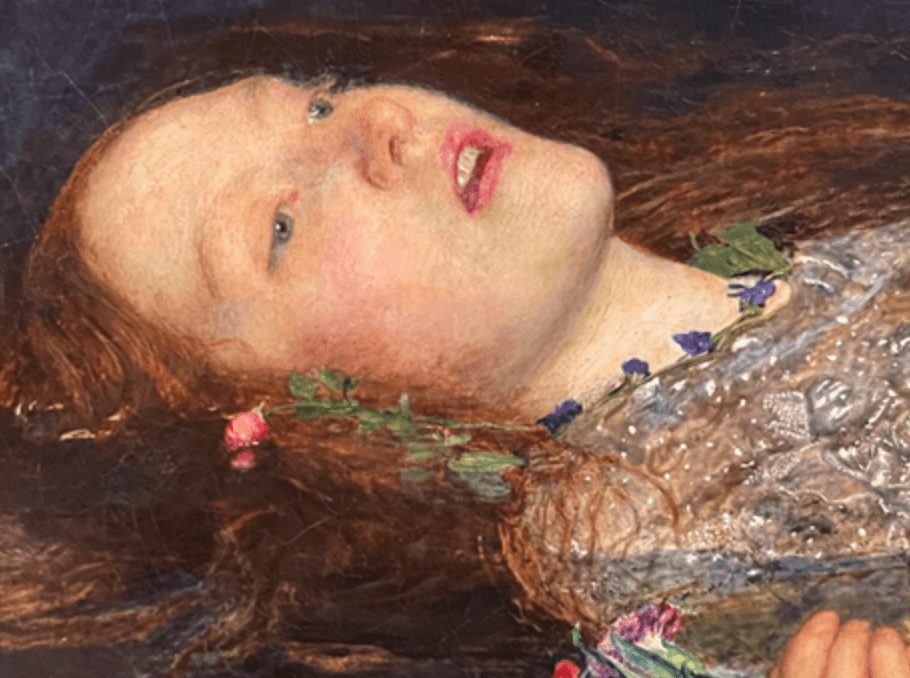
Elizabeth Hill details the life and legacy of Elizabeth Siddal, investigating her portrayals as an artist, mythologised figure, and ‘doomed muse’.
-
Dressing Up: Eighteenth Century Politeness and Fashionable Aspiration in Britain
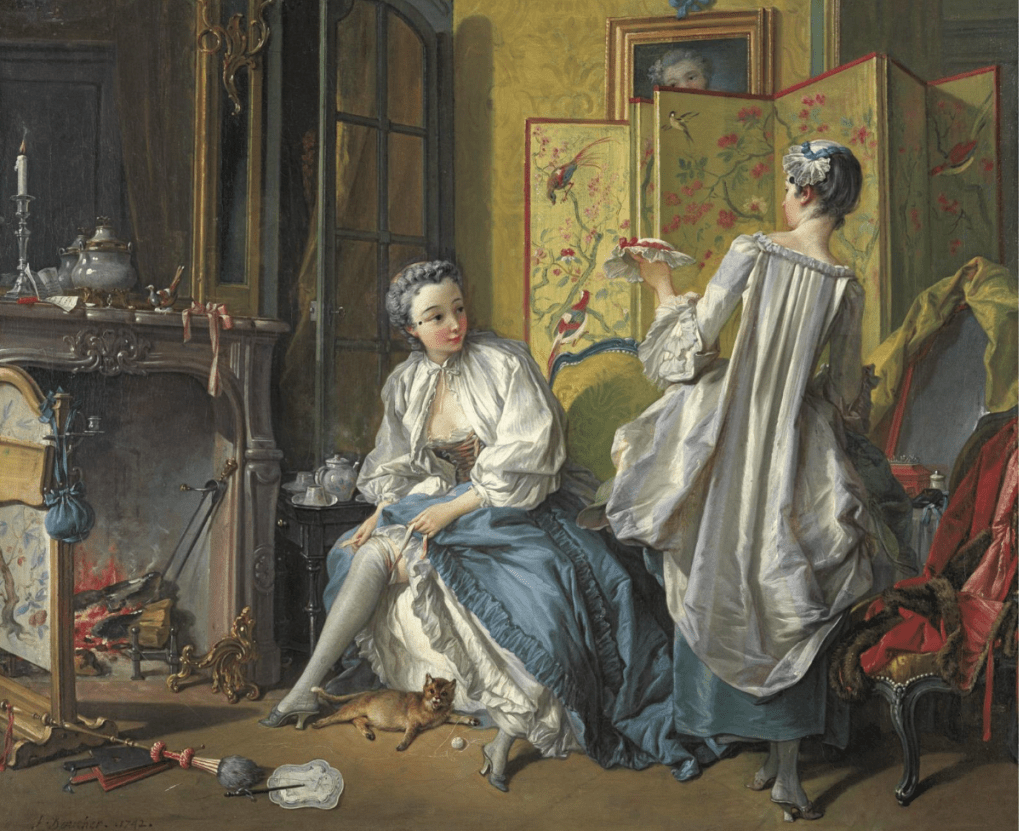
Abby Hughes details the quest for exclusivity which shaped fashion aspirations amongst the British middle class of the eighteenth century.
-
Title: How have historians challenged Philippe Aries’ theory of childhood in the Middle Ages?
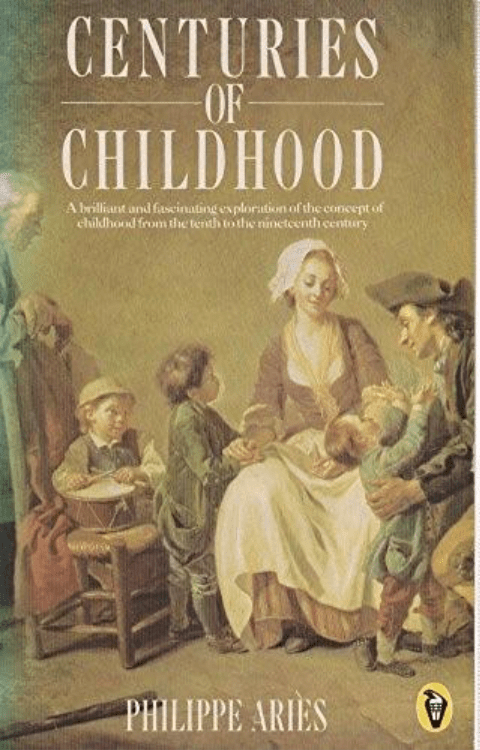
Historians challenge Philippe Aries’ theory on childhood in the Middle Ages by critiquing his limited sources and neglect of gender and class. Emily Borg presents a more nuanced understanding of childhood rooted in diverse societal values.
-
The Declaration of Independence at 250 – The United States of America’s Unlikely Success in Translating Revolutionary Ideals into Unified Government

The Declaration of Independence and the Constitution are pivotal U.S. documents that transitioned colonial ideals into government structure. The Declaration justified independence, while the Constitution addressed challenges posed by the Articles of Confederation. Together, they articulated democracy’s foundations, although contradictions persist, notably regarding freedom and governance under Trump’s presidency.
-
From Edinburgh’s Bedlam to the NHS: The Changing Conception of Mental Health Disorders in Scotland
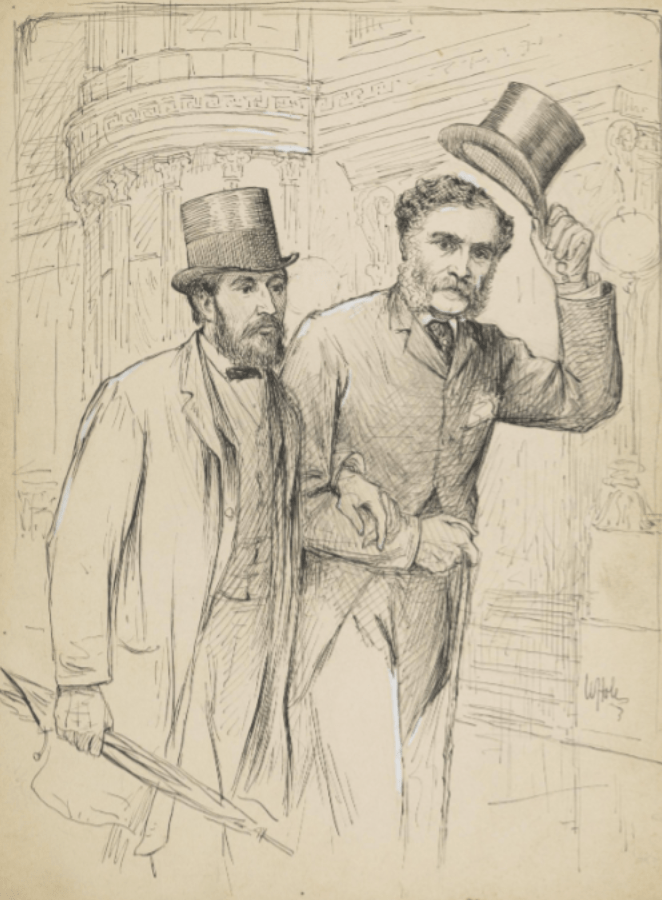
Bethan Williamson reflects on the changes in attitudes towards mental health care in Scottish hospitals.
-
Concealed Chopines: Height and Hierarchy in Early Modern Venice
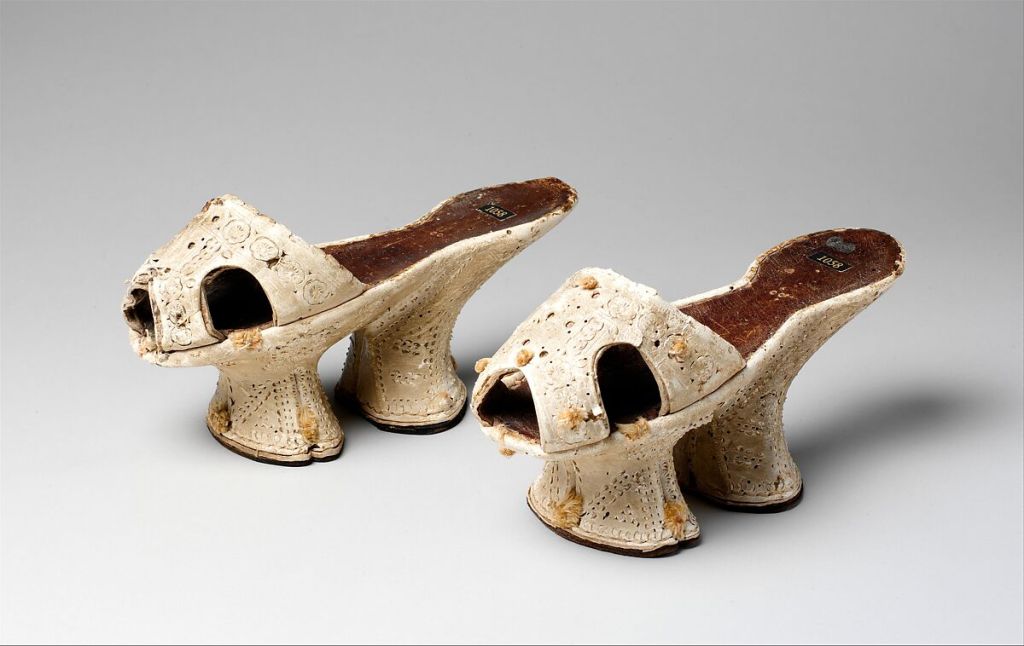
Abby Hughes examines the role of Venetian chopines as symbols of status, gender norms, and social hierarchy.
-
“This Brittle Ware”: Identity Politics, Culture and China in Eighteenth-Century England
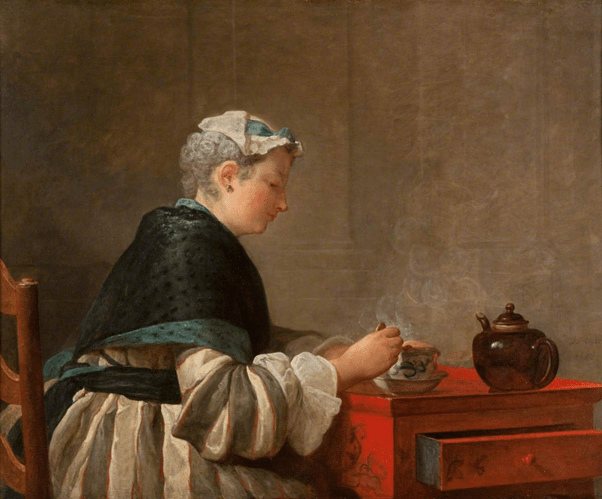
The eighteenth-century relationship between porcelain and gender revealed complex dynamics. Elizabeth Hill analyses how china represented femininity’s fragility, yet also showcased women’s growing influence in culture and commerce.
 Retrospect Journal