
Category: Academic
-
A Brief Commentary on Helen in Margaret Atwood’s Helen of Troy Does Countertop Dancing and the Influence of Second Wave Feminism

Bethany Hicks-Gravener discusses the influence of second wave feminism on Margaret Atwood’s Helen of Troy Does Countertop Dancing.
-
Taking Up Too Much Space: Rebellion Through the Skirt in the Sixteenth and Seventeenth Centuries

Elizabeth Hill details the motivations behind women wearing large skirts in the sixteenth and seventeenth centuries, as well as male opposition to this fashion trend.
-
Piercing Eyes and Polluting Stares: An Exploration of Historic Sight
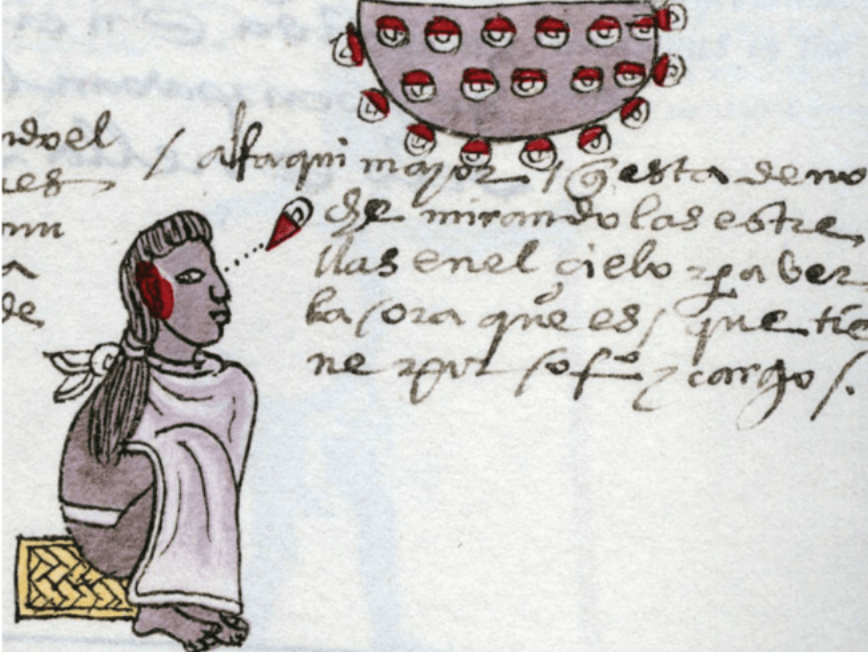
Abby Hughes explores the concept of seeing in many past cultures.
-
Between Utopia and Tyranny: What Plato and Marx Tell Us About Power

Lydia Collier-Wood compares and contrasts two renowned thinkers of our ancient and modern history. Plato’s Republic envisions an ideal society focused on justice and collective good, contrasting with Marxist theory’s historical view on class and oppression, revealing tensions in political idealism.
-
Corporeal Metaphor and the Imagery of Bulls in Shi Tiesheng’s Roses in Summer and My Faraway Qingping Bay
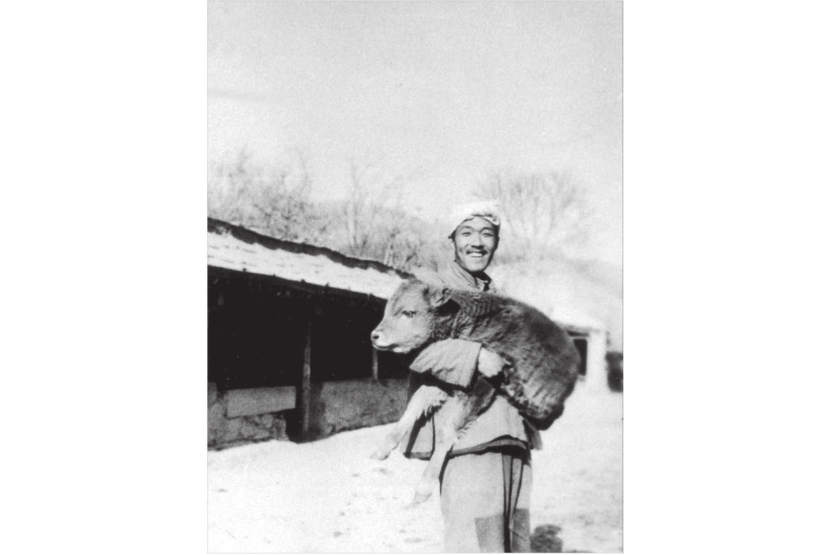
Shi Tiesheng’s works vividly depict the struggles of disabled individuals within a discriminatory society. Peiqi Ann considers imagery of powerful bulls to explore themes of loss, identity, and societal worth associated with corporeal integrity.
-
Roman Traditions in a ‘Barbarian’ World: How Roman were the Post-Roman Kingdoms?

Ben Clarke writes about the various adaptations of Roman culture adopted by ‘barbarian kingdoms’ following the fall of the Western Roman Empire.
-
Lee Miller and Shirin Neshat: Surrealism, Photography and Communicating Resistance
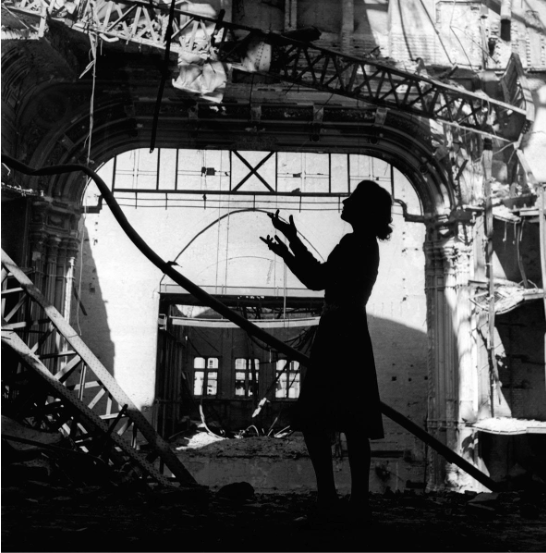
Darcie Rogers discusses how Lee Miller and Shirin Neshat, two artists from distinct backgrounds, utilise surrealism to confront conflict and injustice.
-
Assessing the Importance and Impact of Leopold von Ranke’s Stance on History and his Role within the Discipline
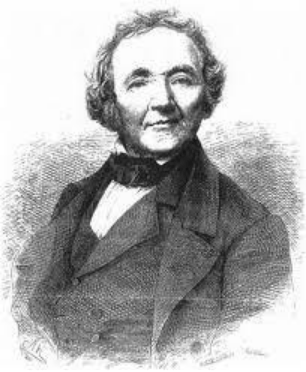
Emily Borg explores how Leopold von Ranke’s influential historical methodology is rooted in his political philosophy, and how this challenges perceptions of objectivity.

