
Tag: Twentieth Century
-
The Swedish Problem: A Brief History of Swedish Islamophobia and its Modern Repercussions
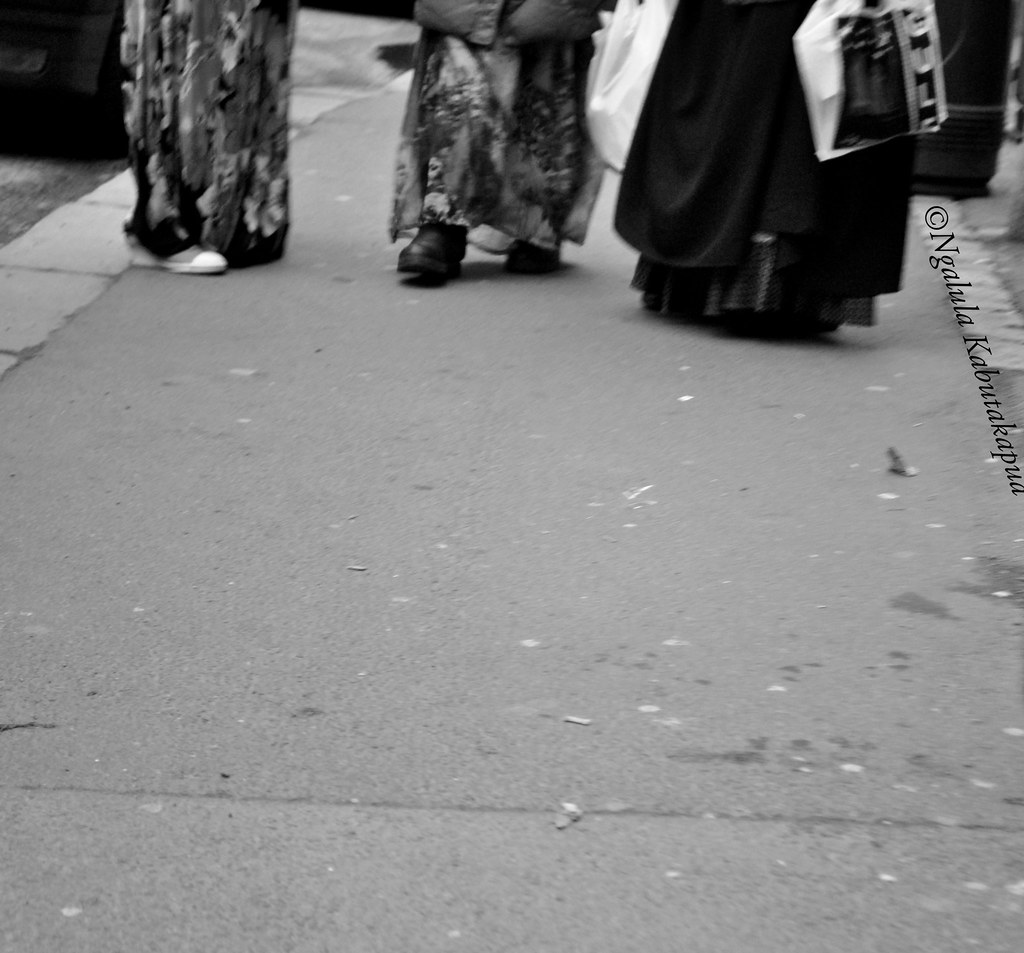
Alexander Stroem gives an overview of the history of Islamophobia in light of the country’s current political climate.
-
Gluck – A Forgotten Queer Artist of the 1920s

Fleur O’Reilly explores the life and works of British queer artist Gluck, who defied gender expectations in both her personal life, but also in her original and distinct artworks.
-
The Assassination of Patrice Lumumba and the Legacy of Neocolonialism in the Congo
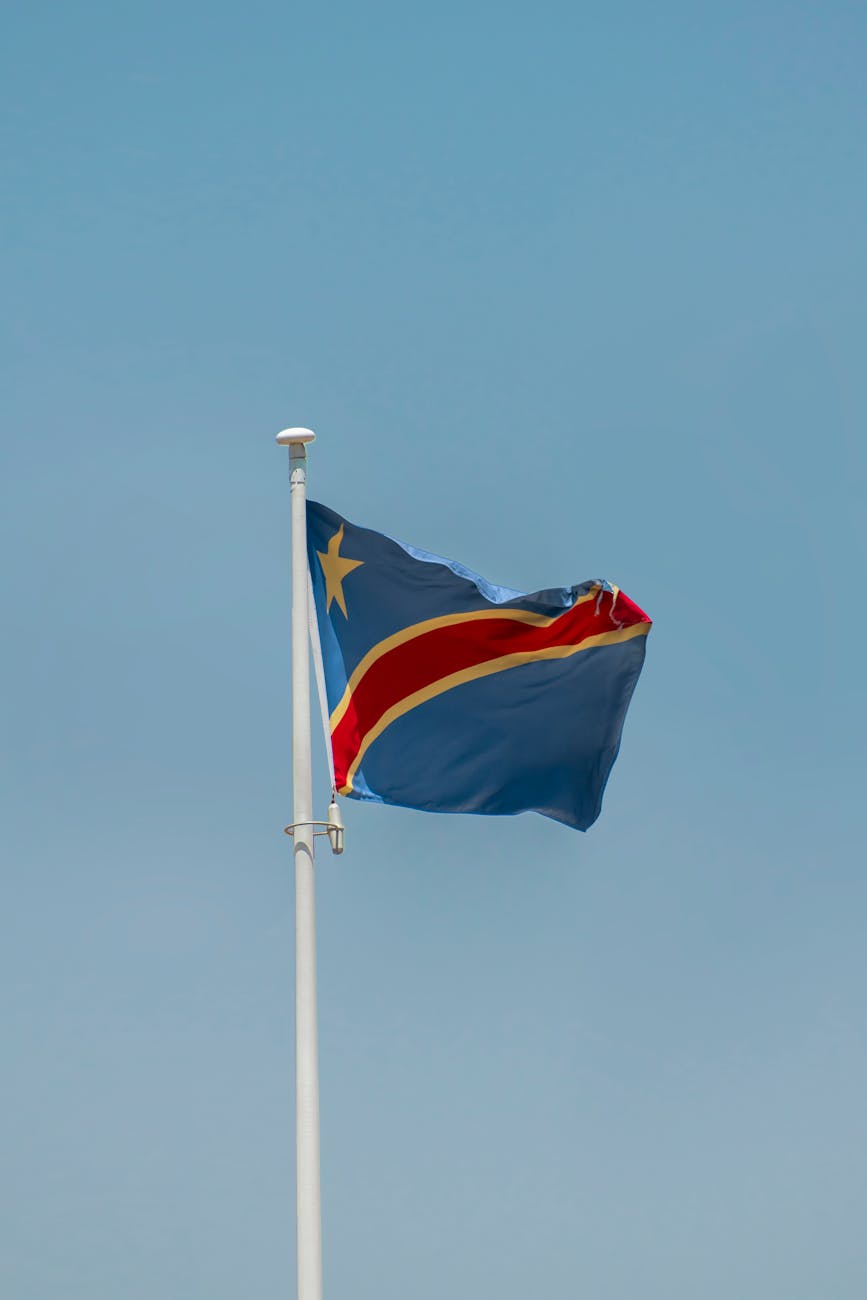
With the recent anniversary of the assassination of Patrice Lumumba, the first democratically elected prime minister of the Democratic Republic of the Congo, Edie Christian explores the enduring legacies of Cold War power struggles and neo-colonialism.
-
Playing God: The “Other Coup” of the Greek Military Junta (1967-1974)
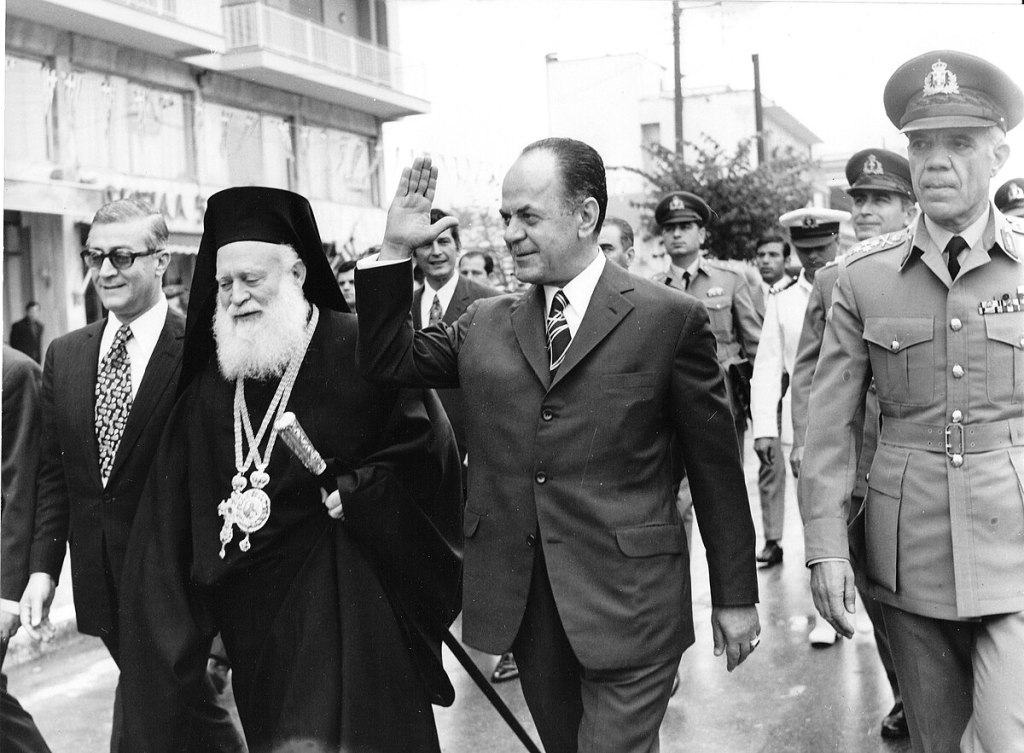
Alexander Stroem traces how, between 1967 and 1974, the Greek Military Junta leveraged religious authority to legitimize and maintain its dictatorial regime.
-
From Factory Occupations to Forgotten: The Masculinisation of Scottish Deindustrialisation and the Women This Leaves Behind
Scottish women’s industrial contributions and resistance during deindustrialisation remain largely overshadowed by male-centric narratives. Lauren Hood offers an insight into the participation of women in the process.
-
The Shackles of the “New Soviet Woman”: How the Women of the Gulag Expose Fraudulent Claims to Gender Equality in the USSR
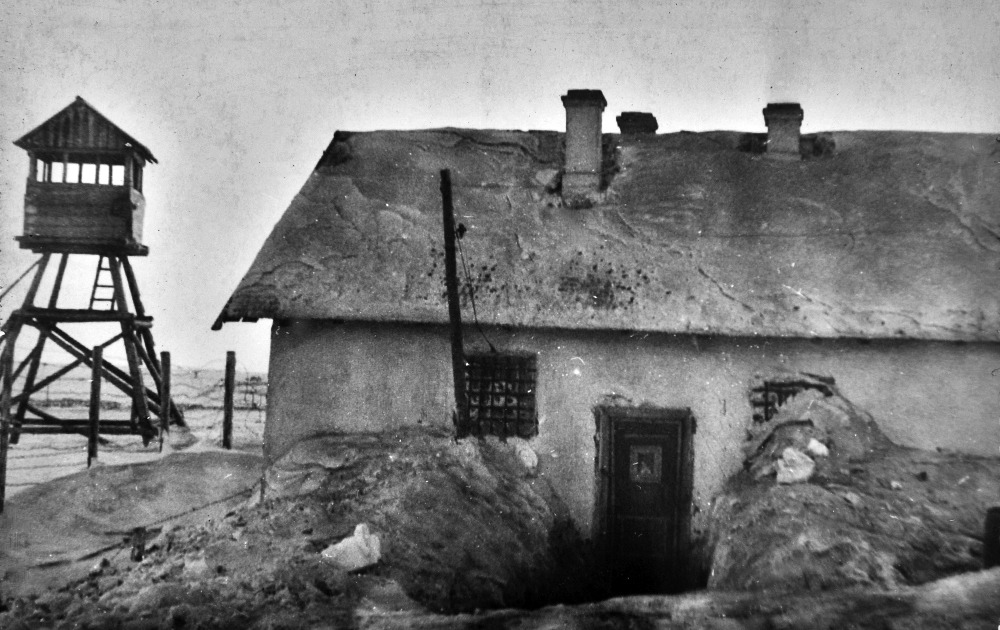
Olivia Hiskett explores how the Gulag exposes the contradiction between Soviet gender equality claims and women’s harsh realities, reflecting on their systemic oppression and exploitation.
-
Fifty Shades of Moral Panic: The Sex Wars and Sadomasochism

The fierce debate over Sadomasochism animates much of the discourse pertaining to the Sex Wars. Georgia Smith reconstructs the historiography of the subject, noting how sex is manipulated to serve certain political positions.
-
Tapes, Lies, and Cover-ups: The Watergate Scandal and the Downfall of Nixon

Richard Nixon resigned in 1974 due to the Watergate scandal, becoming the first U.S. president to do so amid impeachment threats. Eva Beere explores the impact and fallout of the infamous scandal.
 Retrospect Journal