
Tag: Religious History
-
Interpreting the Donatist Schism
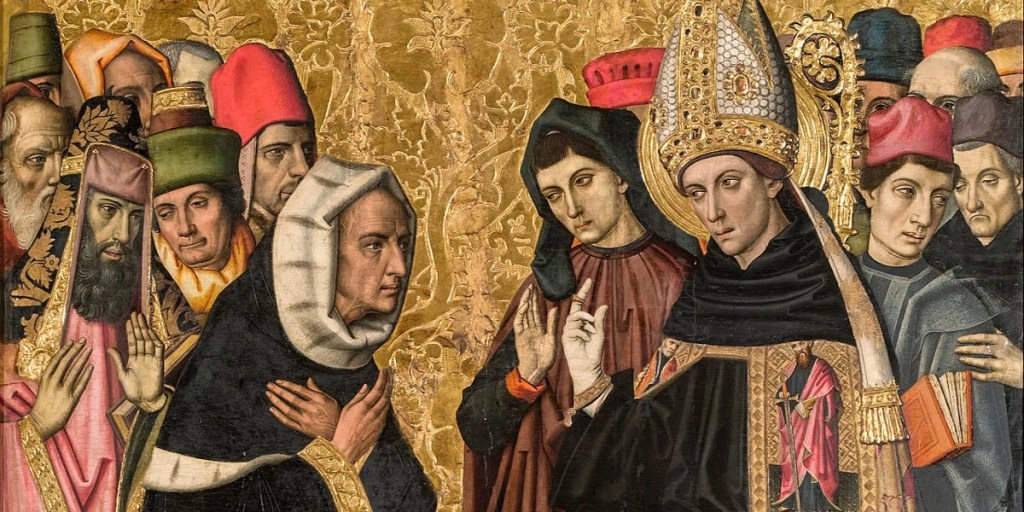
Written by Nikita Nandanwad. The Donatist sect, centred in Carthage, and resulting schism is a prominent facet of Late Antique Christian history. Expunged by the Roman Catholics, the Donatists were deemed an isolated sect, and yet rose up against their opppressors through acts of martrydom and unwavering faith.
-
The Rise and Fall of Liberal Evangelicalism in the United States

Written by Jess Womack. The evangelical Christian right in US politics holds immense influence today, but there was a time when liberal evangelicalism was similarly influential. Why did evangelical Christians align with the left? And how did this position change so drastically?
-
Historical time and the Enlightenment Re-imaginings of Moses and Solomon

Written by Inge Erdal. The nature of historical time has always been contested. Through the Enlightenment and nineteenth century, as European empires spread across the globe, writers slid between the boundaries of fiction and history, trying to unpack stories from the Bible.
-
The Power of Books- A History of Censorship, Banning and Burning

Written by Sophie Whitehead. Book censorship is a well-known practice often associated with overbearing political regimes. But the history of book censorship is extensive, and the politics behind censorship have remained the same for hundreds of years.
-
Lay Conflicts and Responses to the Protestant Reformation
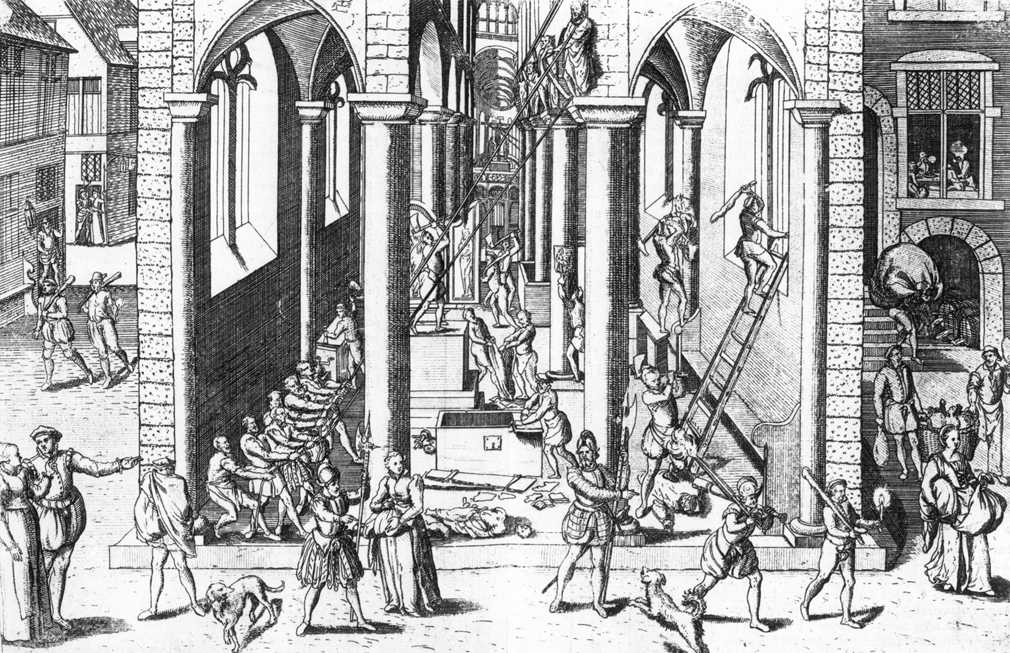
Written by Nikita Nandanwad. Lay responses to the Protestant Reformation were wide-ranging. Some responded with violent iconoclasm whilst others syncretised their religious beliefs.
-
Rehabilitating Haitian Vodou

Written by Charlie Horlick. Haitian Vodou is a syncretic set of religious practices grounded in the experiences of Atlantic Slavery. They have been attacked since their very inception.
-
Communism, virtue and the ideal commonwealth in Thomas More’s Utopia

Written by Nikita Nandanwad. Thomas More’s Utopia is frequently regarded as his best work, but how does his depiction of Utopia correlate with modern communism, and how should we understand More’s intention with this work?
-
Faith and Power: New Religious Movements, Authoritarianism, and Democracy in Modern South Korea
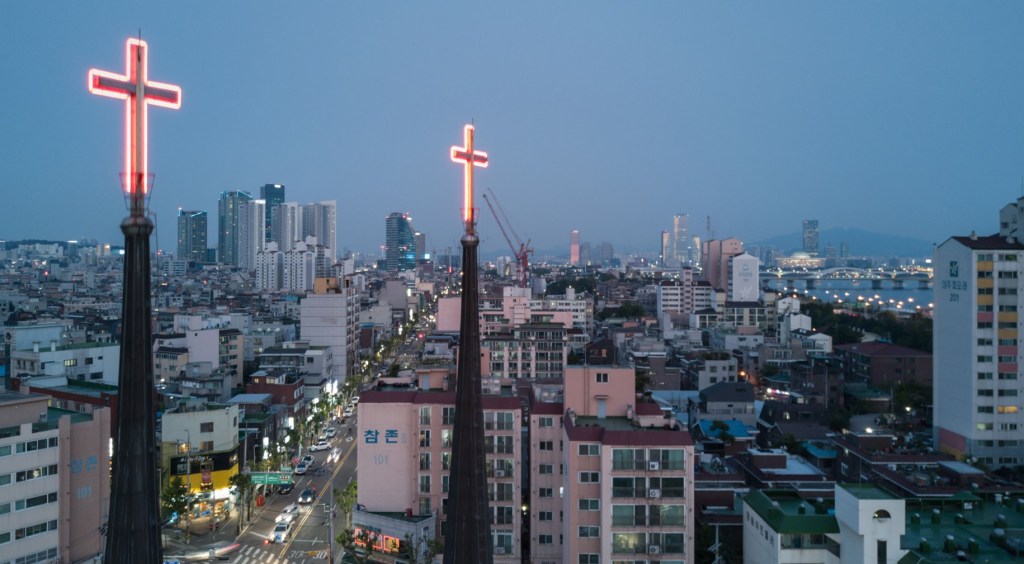
Written by Jack Bennett. New religious movements have surged in South Korea during the late twentieth century. These movements were shaped by the aftermath of the Korean War and US intervention, with churches working with and against the new government.
 Retrospect Journal