
Tag: Japanese History
-
Mended Histories: The Emergence of Japanese Boro Textiles
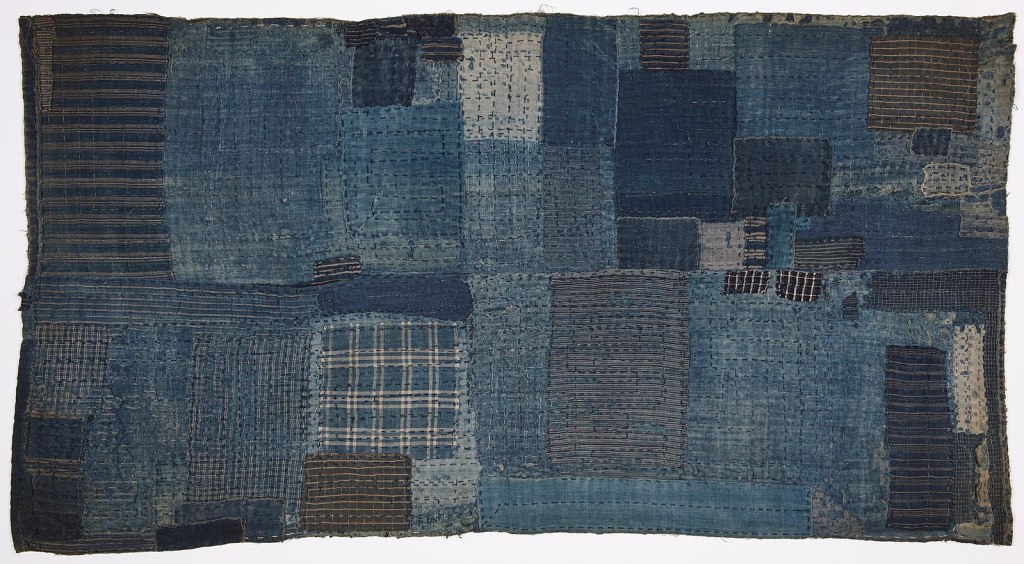
Boro textiles are a traditional Japanese patchwork style popular among peasants in the Edo period (1600-1868). Eva Beere discusses how these garments represented class divides and connects with western ideas of thrift.
-
The Legacy of Yodo-dono
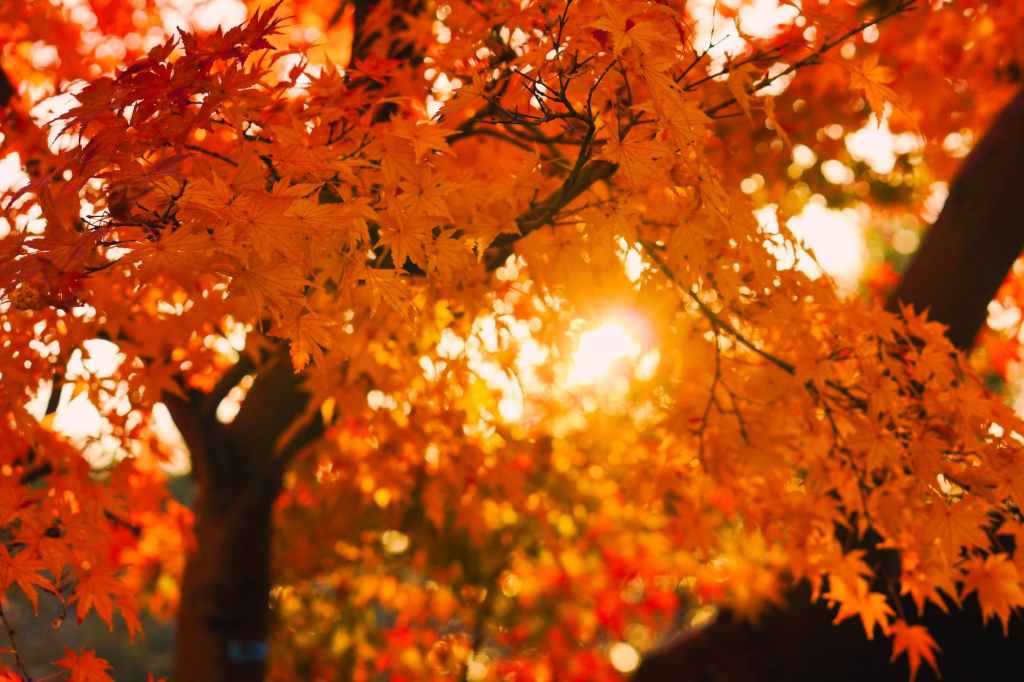
In this short fiction piece, Ambrose Brown imagines the Siege of Osaka through the eyes of Yodo-dono.
-
Namban Folding Screens

Produced during the Momoyama and Edo periods, the “namban” screens testify to the trade relationship and cultural exchange between Japan and Portugal. Chloe Bramwell explores the imagery and provenance of these richly decorated objects.
-
Benshi Performance in the Japanese Silent Film Era

Written by Kat Jivkova. The Japanese world of silent film is often criticised for its epitomised use of the Katsudo shashin benshi, but new re-evaluations seek to examine the feature in a much more positive light.
-
Japanese and American Cultural Convergence in Ryu Murakami’s “In the Miso Soup”

Written by Kat Jivkova. The turn of the century cultural exchange between the US and Japan led to over-processed views on some elements of each culture. This can be seen and analysed through Ryu Murakami’s 1997 novel, “In the Miso Soup”.
-
Through the Looking Glass: Photography and Imperialism in the Nineteenth and Twentieth Centuries

Written by Jack Bennett. The technology of photography has been deeply entangled with imperial expansion. However it has been a contested technology too and used by colonised peoples.
-
Violence, Glue Sniffing, and Liberation: Global 1968 in Japan

Written by Jack Bennett. Shinjuku was the centre of national political struggles and counter-culture in late 1960s Japan. In the paradox of the collective embrace of individualism, a new revolutionary identity politics emerged.
 Retrospect Journal