
Tag: History
-
Skeletons in Westminster: Is it Time to Solve the Mystery of the Princes in the Tower?

The identity of the “Princes of the Tower” has remained a mystery since their sudden disappearance in 1483. Naomi Wallace and Marnie Camping-Harris discuss the prevailing theories regarding their fate, and the debates which continue to preclude examination of their remains.
-
Bauhaus Design and Its Influence on Typography and German National Identity

The Bauhaus, founded in 1919 in Weimar, Germany, was dedicated to combining function and aesthetic. Meenakshi Nirmalan investigates the political origins of the movement, including how its avant garde vision challenged the Nazi party.
-
Claudia Efemini set to publish debut novel A Letter Away From Asaba in Spring 2023

“A Letter Away From Asaba”, the debut novel of former Retrospect Columnist Claudia Efemini, follows the lives of two friends who confront the British press’ censorship of the 1967 Asaba massacre. Exploring their grief, trauma and resilience, Claudia’s novel, set for release in 2023, aims to bring awareness to a largely neglected event in Nigerian…
-
The Galaxy’s Greatest Mystery: Dark Matter and its Development
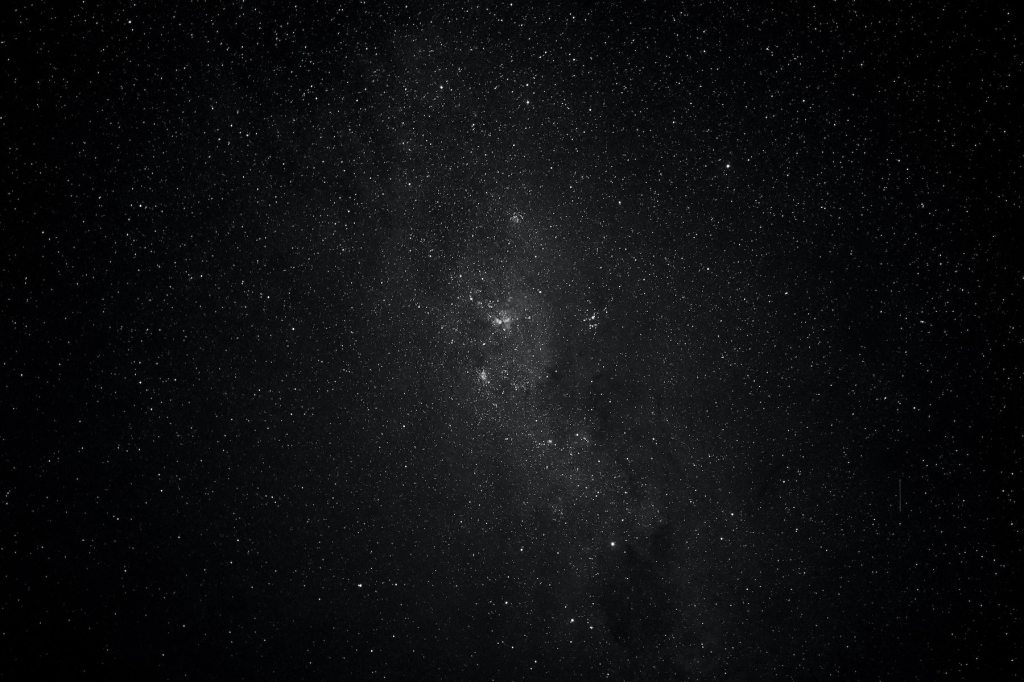
Within the twentieth-century rise in theoretical cosmology, the study of dark matter gained traction as scientists worked to explain its existence. Kat Jivkova explores the collaborative studies which led to the development of dark matter theory and a means to perceive the invisible.
-
Dead and Buried? Finding Edinburgh’s last hanged woman in oral history

Charged with a most heinous crime, Jessie King would come to sit in the annals of Scottish history as the last woman hanged in Edinburgh. Chloe Bramwell explores the story of a woman who may have been as much a victim of circumstance as a villain for commercial tours to exploit.
-
Project Greek Island: Duck and Uncovered

In the 1950s, during the height of the Cold War, nuclear panic led to the creation of underground fallout shelters around the world–sometimes in unexpected places. Sam Marks tells the story of the creation of a classified nuclear bunker for members of the US government underneath an unassuming hotel.
-
Decline, Fall and Reuse: Greek Nationalist Uses of Byzantine Archaeology since 1830

Following the collapse of the Byzantine Empire to the Ottomans in 1453, it found new provenance in shaping Greek identity during its struggle for independence. Verity Limond explores the place of Byzantine archaeology alongside glorification of the classical past.
-
Guernica: Pablo Picasso and the Spanish Civil War
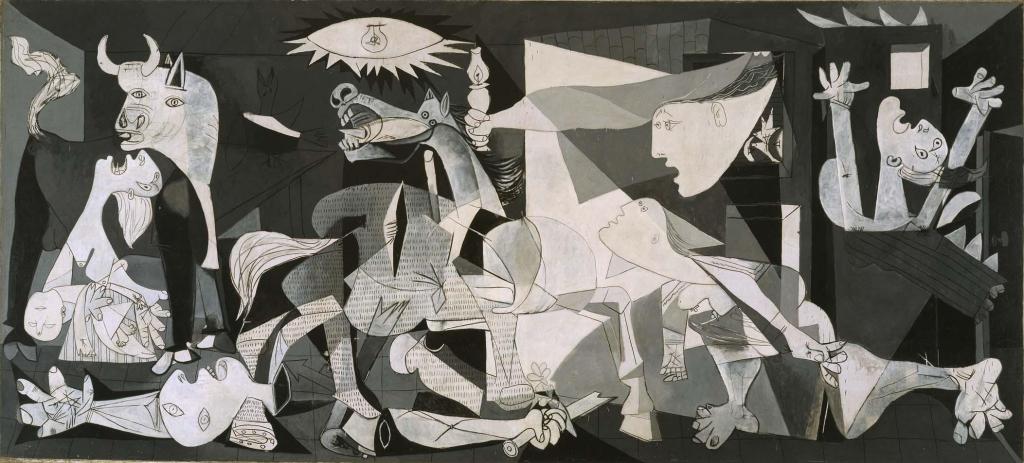
“Guernica”, a 1937 painting by Pablo Picasso, depicts the horrifying brutality of the Spanish Civil War. Meenakshi Nirmalan discusses its startling composition which continues to captivate audiences to this day.
 Retrospect Journal