
Tag: Gender History
-
Investigating Female Liberation Inside the Eighteenth-Century British Masquerade
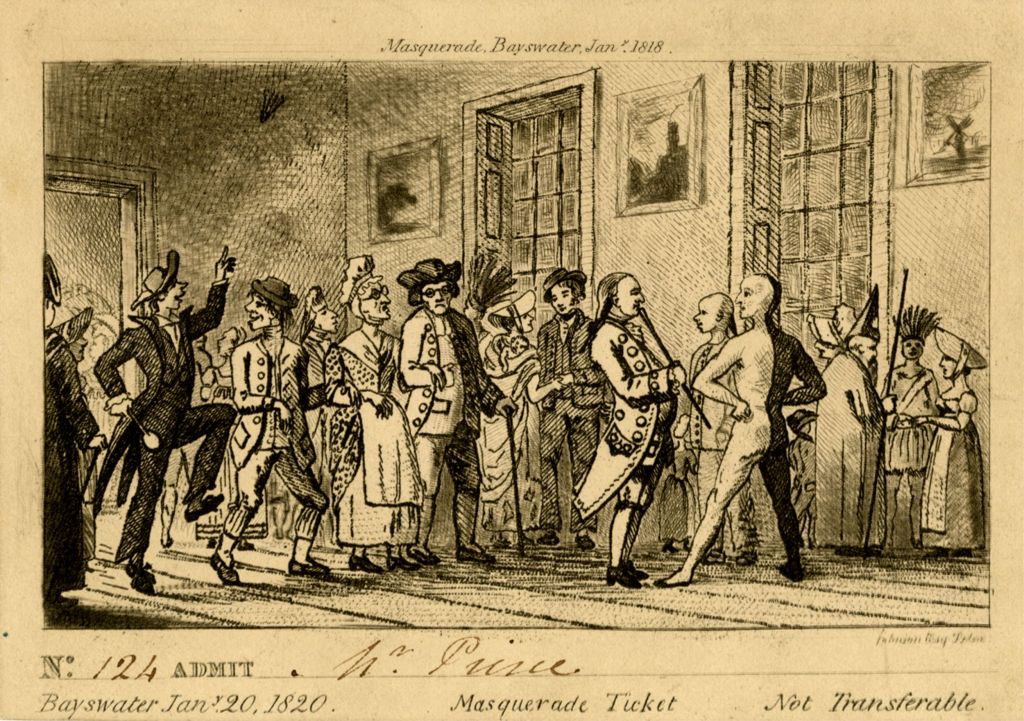
Written by Boryana Ivanova. The masquerade ball carries a long and varied history, but how did the eighteenth century masquerade become imagined places of pleasure, excess and female liberation?
-
Every Man needs a Perfect Wife

Written by Jenn Gosselin. Satirizing a 1956 article from Good Housekeeping, this piece of historical fiction speculates on how R.E. Dumas Milner may have expected women to behave.
-
Precursors to Salem Part One: Elizabeth Knapp
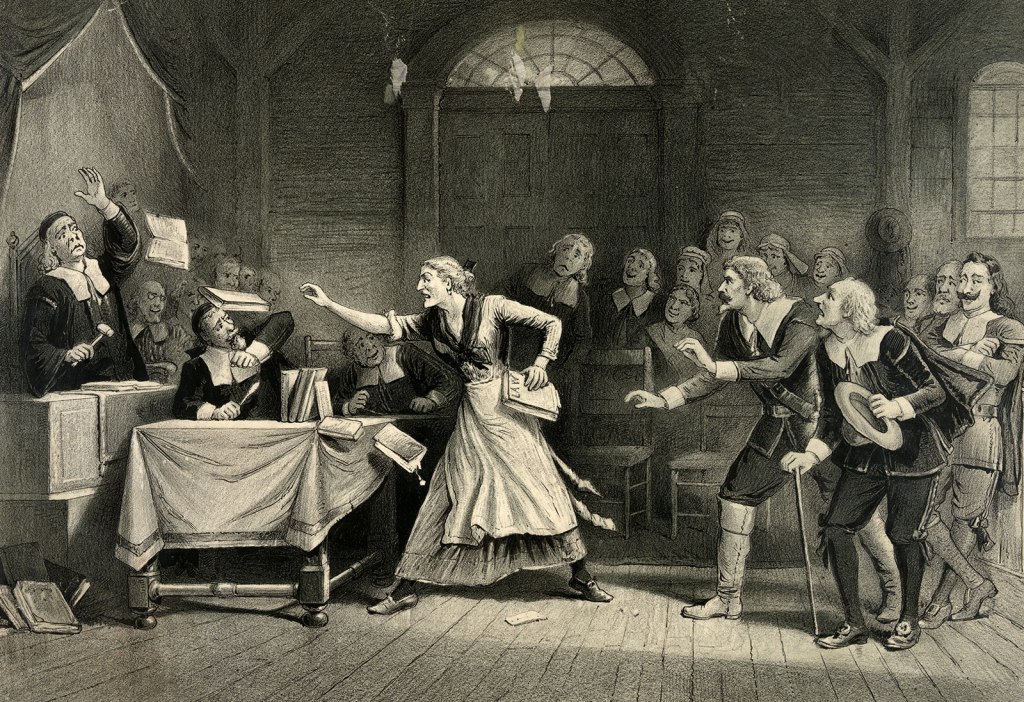
Written by Melissa Kane. This three part series explores some of the precursors to the infamous witch trials at Salem. Part One recounts the case of Elizabeth Knapp of 1671.
-
Dark magic and Witchcraft – a reasonable fear? The Rationale behind Witchcraft Belief in Early Modern Europe

Written by Nikita Nandanwad. Witchcraft trials have traditionally been viewed as campaigns of irrational religious belief. Yet, recent scholarship has demonstrated the complexity behind witchcraft trials and the ways they were informed by conceptions of gender.
-
Spilling Over: Ovid’s Heroides and the Mythological Female Voice
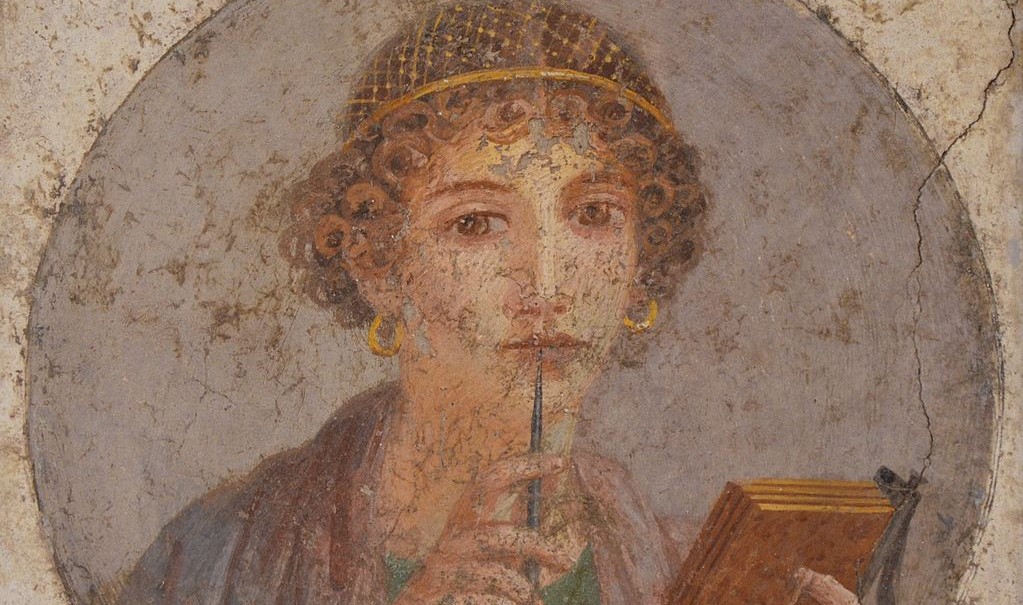
Written by Hazel Atkinson. Ovid’s Heroides is one of his most understudied texts. It consists of fifteen “letter” poems written from the perspective of various female characters of Greek myth. How might the text alter our perceptions of Greek myth and writings about it?
-
Argentine Women and Mass Political Participation in the Late-Nineteenth and Early-Twentieth Centuries

Written by Hanna Derouin. Women’s increasing engagement in Argentine politics paradoxically emerged through traditional gender roles. From schooling to the figure of Eva Peron, Argentinian women used their positions as mothers and caregivers to establish themselves politically.
-
The Art of Power Dressing

Written by Sophie Whitehead. Women’s fashion has transformed over the last century. From corsets to trousers, changes in fashion have often reflected changes in society.
-
Gender Nonconforming Lives in Interwar Germany

Written by Connor Wimblett. Throughout the interwar period, transgender people in Germany were able to express their gender identities in new ways. The Institut für Sexualwissenschaft in Berlin was a key space and leader in queer research and healthcare.

