
Tag: Eighteenth Century
-
Down the Rabbit-Hole: Uncovering Bodily Experience through Monstrous Birth
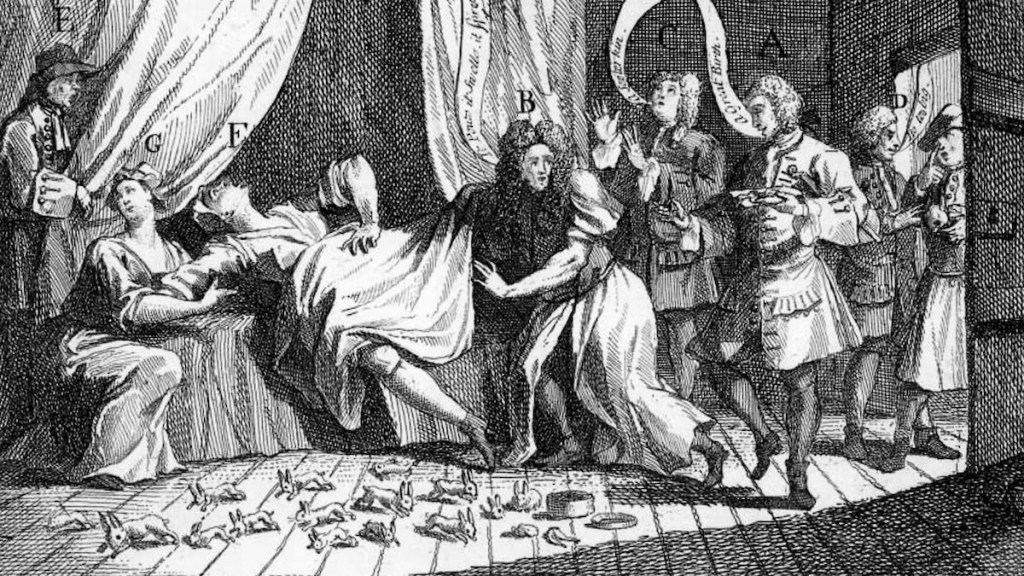
Abby Hughe explores the eighteenth-century scandal of Mary Toft, a woman who claimed to give birth to rabbits.
-
In What Ways Did the Eighteenth-Century Satirical Print Represent the Black Dandy?
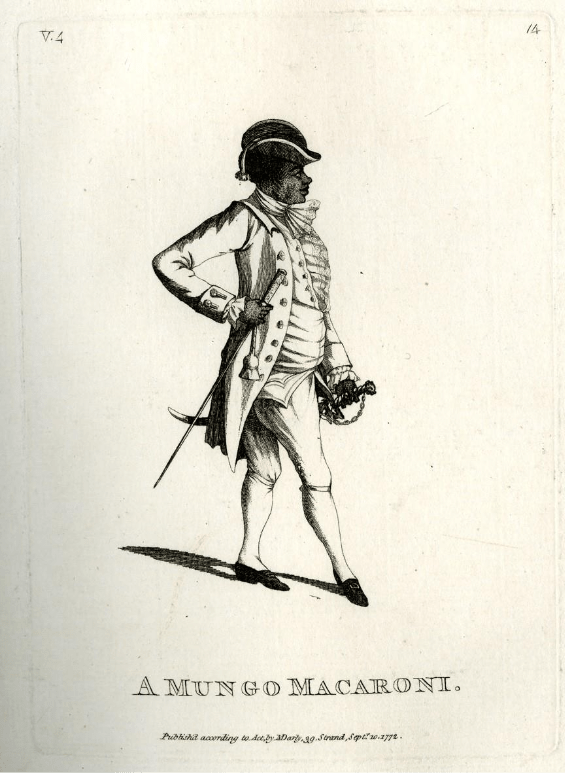
Mananhil Masood explores representations of blackness in eighteenth-century English satirical prints through analysing Black dandyism .
-
Dressing Up: Eighteenth Century Politeness and Fashionable Aspiration in Britain
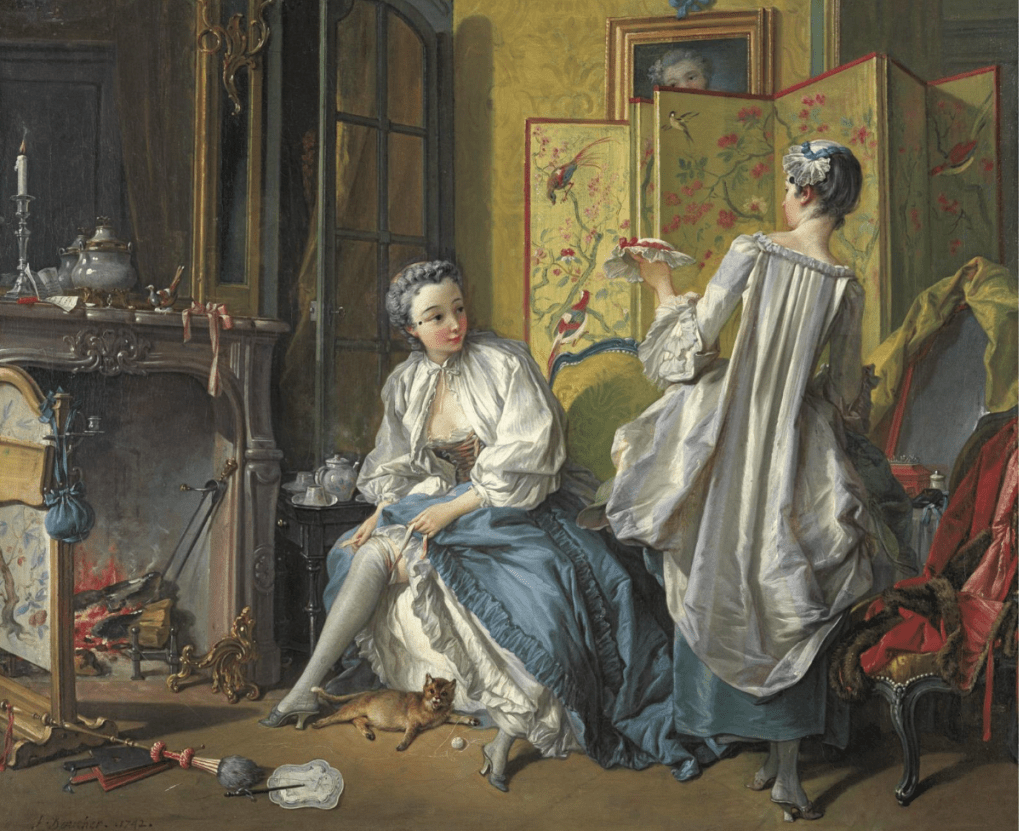
Abby Hughes details the quest for exclusivity which shaped fashion aspirations amongst the British middle class of the eighteenth century.
-
The Jewels that Killed the Queen: The French Royal Necklace Affair
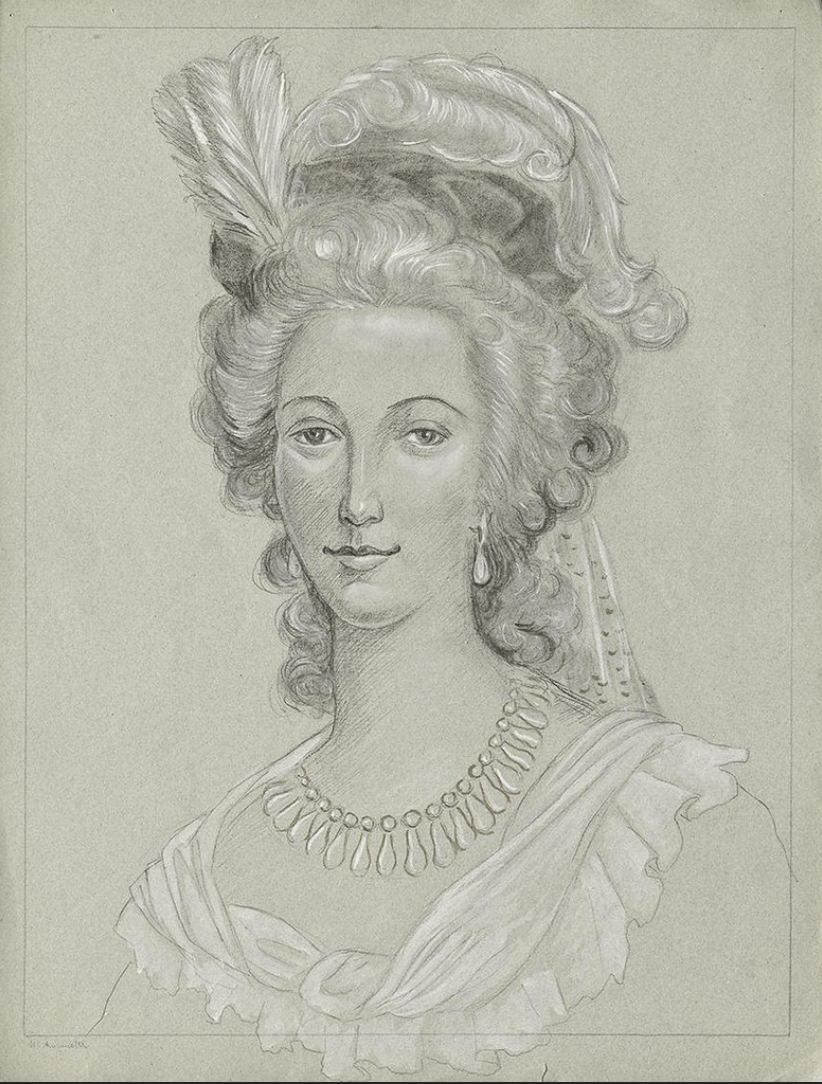
Kate Taylor explores the theft of a missing necklace which caused a scandal in eighteenth-century France, fuelling public distaste towards Marie Antoinette.
-
Visuality, Materiality, and Eighteenth-Century Samplers

Molly Marsella explores eighteenth-century American samplers, discussing how the visuality and materiality of these pieces has been viewed.
-
A Trip Down Gin Lane: An Enquiry into British Boozing
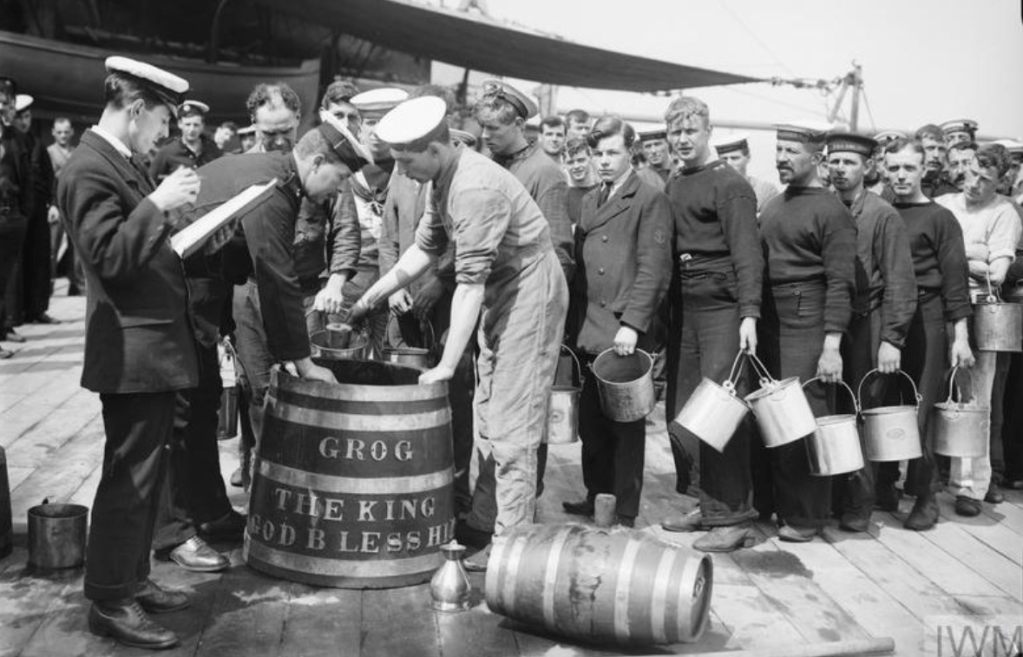
Alcohol consumption is central to British national self-conception and military culture. Olivia Hiskett traces the contentious moral history of alcohol from the eighteenth century to the present.
-
A Brief History of the Medieval Revival

As industrialisation swelled in the Western world, societies looked towards the medieval past as a means of legitimising their history. Megan Crutchley explores the forms this took in the US and UK, and the manner in which it was embedded in white elitism.
-
Investigating Female Liberation Inside the Eighteenth-Century British Masquerade
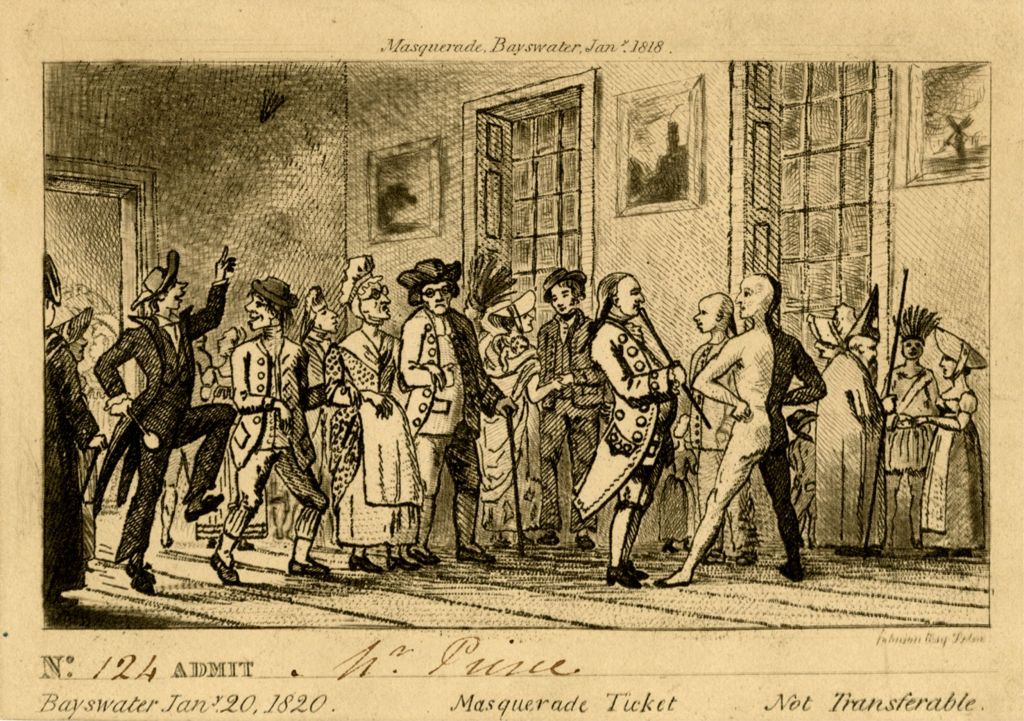
Written by Boryana Ivanova. The masquerade ball carries a long and varied history, but how did the eighteenth century masquerade become imagined places of pleasure, excess and female liberation?
 Retrospect Journal