
Tag: British history
-
Repatriating the Benin Bronzes: The Controversy Behind the British Museum

The repatriation of the Benin Bronzes, looted by the British in 1897, is crucial for restoring cultural heritage to Nigeria. Flora Gilchrist engages with this process, and why it should involve recognising the colonial history of these artifacts and fostering diplomatic efforts between the British Museum and Nigerian authorities.
-
The Angevin Kings: How King John destroyed the Dynasty.

This feature examines the reigns of Henry II, Richard I, and John Lackland, as part of a broader conceptualisation of the so-called Angevin Empire. Poppy Williams highlights the decline of the Angevin Empire due to John’s mismanagement, conflicts, and the impact of the Magna Carta on monarchy power.
-
Gluck – A Forgotten Queer Artist of the 1920s

Fleur O’Reilly explores the life and works of British queer artist Gluck, who defied gender expectations in both her personal life, but also in her original and distinct artworks.
-
Triangulation Stations: The History of a British Landmark

Ailsa Fraser explores the origins and legacy of “trig points,” or triangulation stations, across the British countryside.
-
Beyond Servitude: Uncovering Agency, Community and Resistance in Indian Indentured Labour

Maia Bennet explores how a revisionist approach to indentured servitude reveals complexities of agency, resistance, and community among Indian labourers.
-
Royal Mail Red: The Post Box as an Enduring Symbol That Connects Us
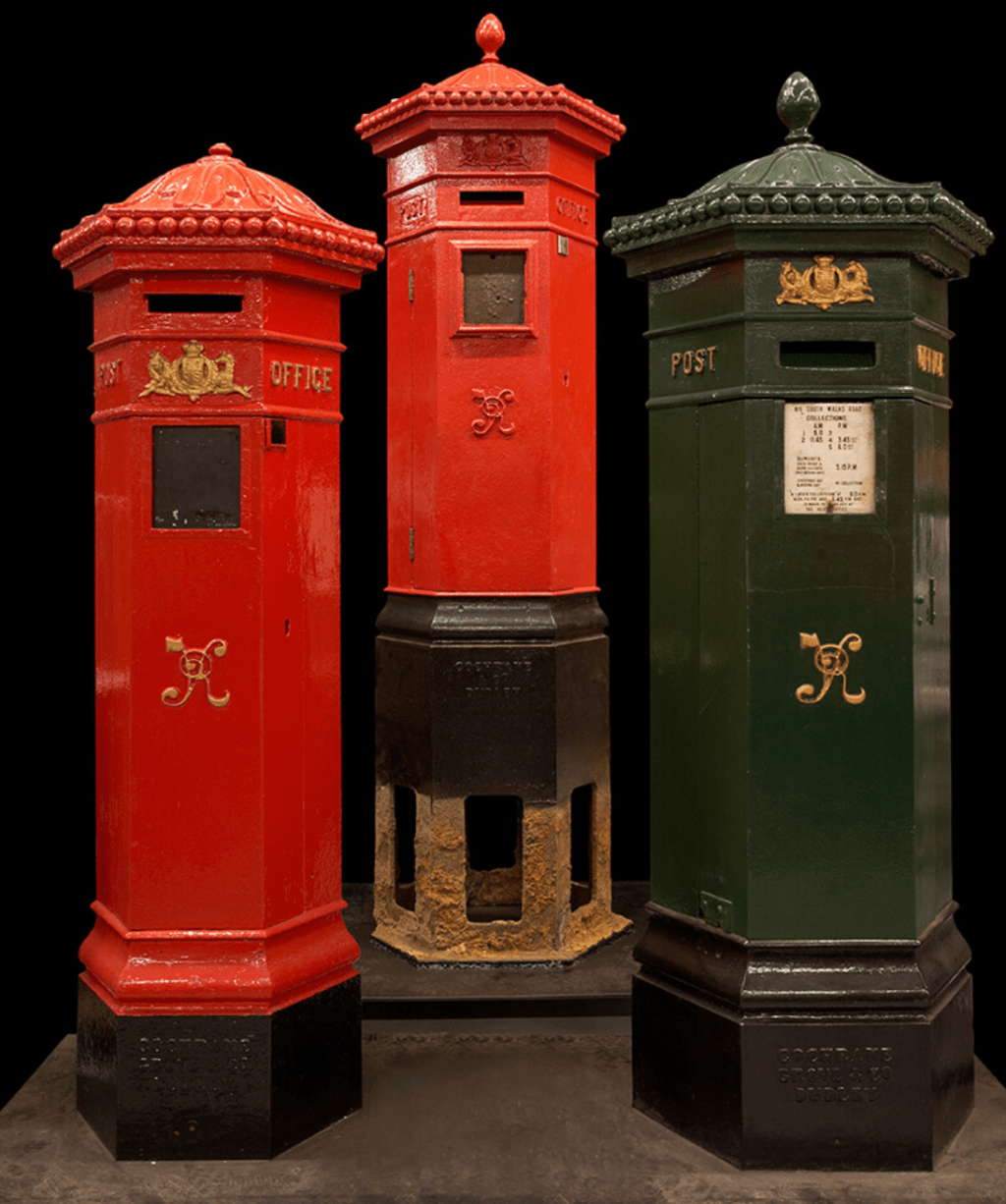
The red post box is an enduring symbol of British national culture. Darcy Gresham traces the history of these essential objects, combining a consideration of the changing nature of the post box with a powerful statement of their social importance.
-
The Pursuit of Morality: The Difference Between The First British New Left and The Orthodox Communism

The Soviet intervention in the Hungarian Revolution of 1956 was an upheaval for British socialists. Jiajun Wang looks at the British workers’ movement and nuclear disarmament as well as the New Left.
-
Stormy Seas Across Sound Waves: A History of the British Shipping Forecast

The Shipping Forecast, established in 1861, is a British institution. Darcy Gresham takes us through the history of the broadcast and its importance to the UK.
 Retrospect Journal