
Tag: Ancient History
-
Did Women Have Real Power in the Achaemenid Court?
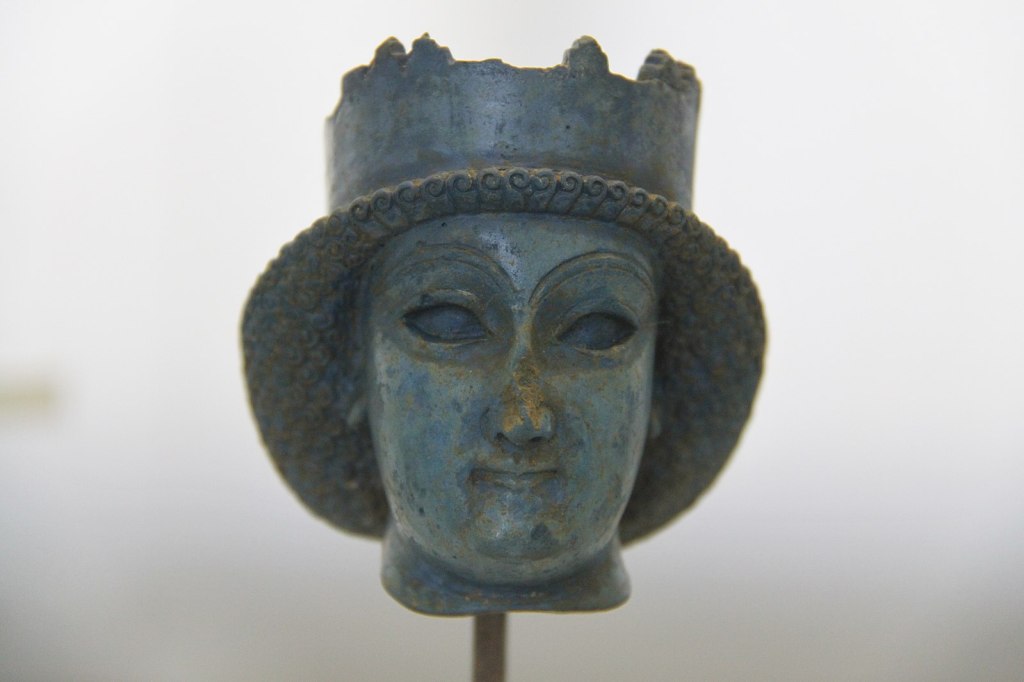
In an effort to better understand the socio-political role of women in the Achaemenid empire, Eleonora Soteriou examines the various ways in which high-ranking women were able to exercise power–including holding property, hosting important social gatherings, and acting as diplomatic envoys.
-
The Soul from Homer to Heraclitus

As Greek philosophy emerged during the sixth century BCE, so too did a swelling interest in explaining the soul. Eleonora Soteriou discusses the work of Presocratic philosophers who, building upon the earliest Homeric theories, have sought to conceptualise the immaterial.
-
Hesiod’s Guide to Winter

Hesiod’s “Works and Days” serves as an instruction on how to be a good farmer, including when poor weather hits. Fiona MacRae looks to the ancient Greek poet for some advice on how we might brave the colder months – goat skin optional.
-
The Origins of Tattooing: A Brief Overview
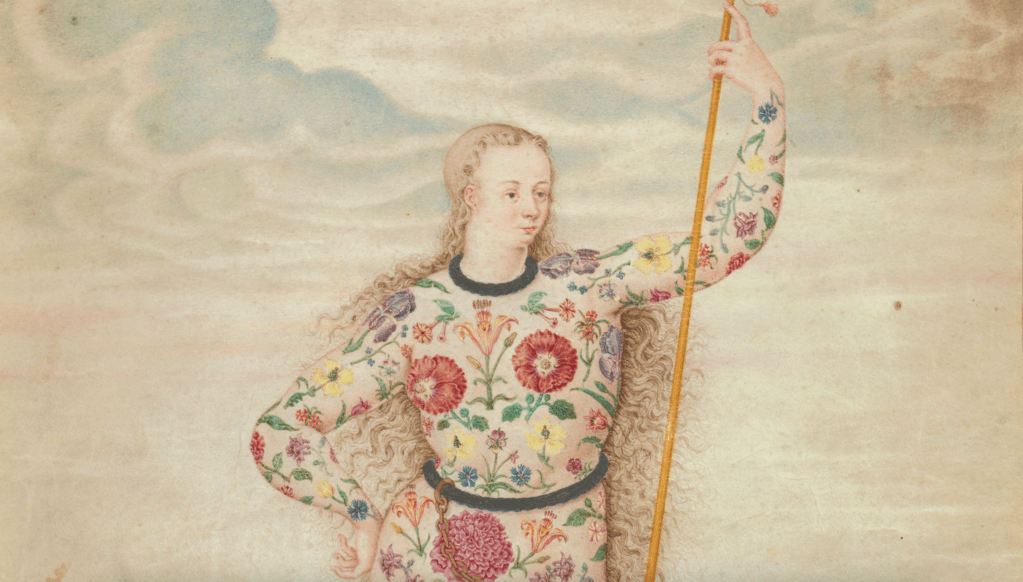
Written by Etta Coleman. The art of tattooing has a long and nuanced history, intimately linked with the cultures who permanently inscribed ink into the flesh. Etta Coleman explores the origins of this art form and its global spread.
-
The Achaemenid Rulers: Dogmatic or Pragmatic?

Written by Kavisha Kamalanathan. The history of the Achaemenid rulers and their legacy of brutality has often been told through the lens of the Ancient Greek writers who immortalised them. However, an examination of contemporaneous Eastern sources reveals a markedly different picture of the Persian kings.
-
Norns and Moirai: The Fates of Norse and Greek Mythology

Written by Fiona Macrae. The idea of the ‘fates’ is one repeated throughout mythology, three goddesses who spin the thread of life. Fiona Macrae examines the Fates of Norse and Greek mythology, comparing their depiction and asking why the similarities are important.
-
The Osteological Paradox and Biomolecular Analysis – A Solution, At Last?
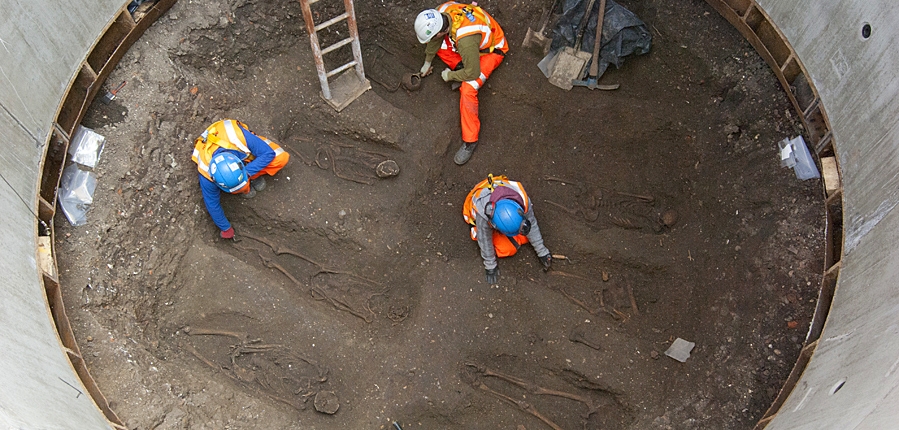
Written by Etta Coleman. The discipline of Osteoarchaeology is paradoxical by nature – those diseases which sweep populations are often too quick to leave a permanent mark on the bones. Etta Coleman discusses whether this is something that can be overcome with Polymerase Chain Reaction testing.
-
Pompeii: Digging the details with Jasmine Khelil
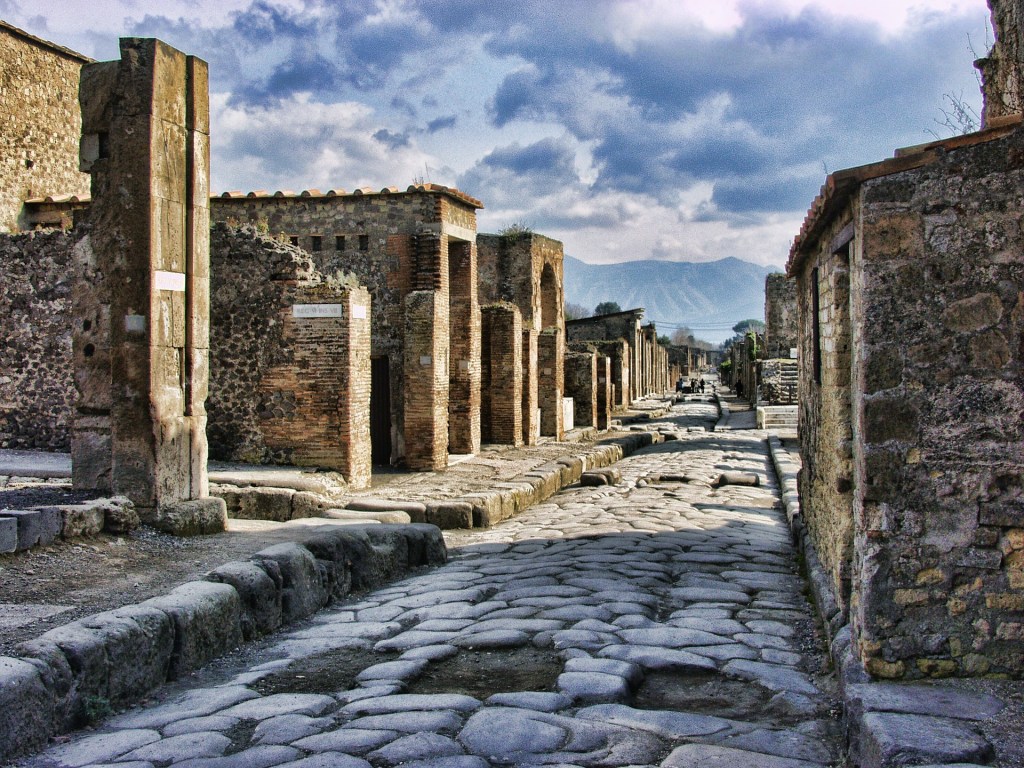
Written by Fiona Macrae. Despite just being in her second year of a History and Classics undergraduate degree, Jasmine Khelil has had the opportunity to dig at some of the most renowned archaeological sites in the world, including Pompeii. In this interview, Fiona Macrae discusses Jasmine’s route into archaeology, her experiences and her advice for…
 Retrospect Journal