
Category: Features
-
The Ascent of Marxist Proselytism
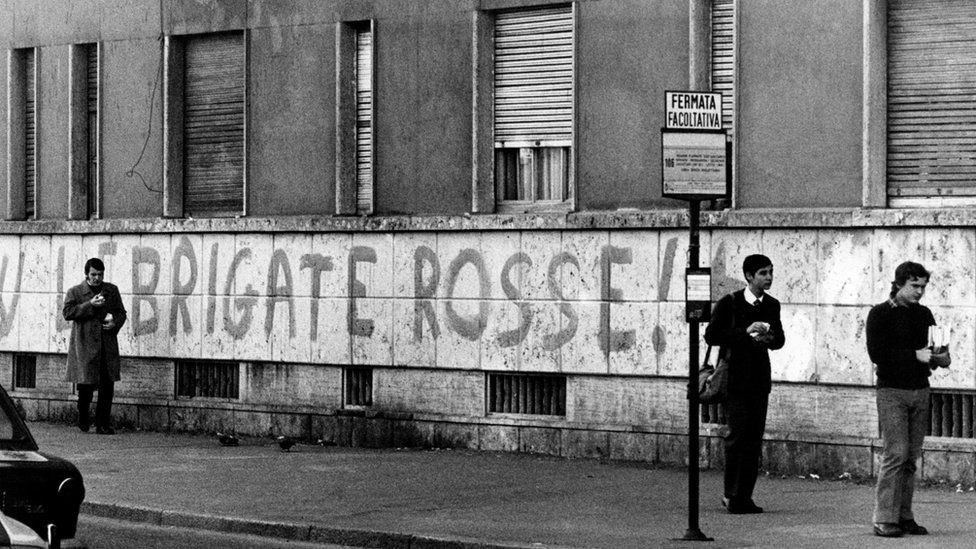
Western Europe was radically altered by the events, and political ideologies, of the Second World War. Emilio Luppino traces the emergence of Marxist political groups in post-war German and Italian politics.
-
Darling Daisy: Queen Margrethe of Denmark

Queen Margrethe of Denmark abdicated on January 14 in favour of her son Crown Prince Frederik X. Darcy Gresham discusses Margrethe’s legacy and her important attempts to modernise the Danish monarchy.
-
Exploring Seattle’s Racial Restrictive Covenants

While not especially known for history of racism, Seattle, Washington widely employed a discriminatory housing policy called ‘racial restrictive covenants’, which created a segregated racial landscape, homeownership disparity, and a significant wealth gap. Coco Barrett explores the use and legacy of these covenants.
-
Historical Parallels in The Hunger Games: Can Futuristic Films Have Historical Relevance?

Flora Gilchrist delves into the historical parallels in The Hunger Games franchise, and what this reveals about the series’ significance today.
-
Variolation, Vaccination, and the Eradication of Smallpox
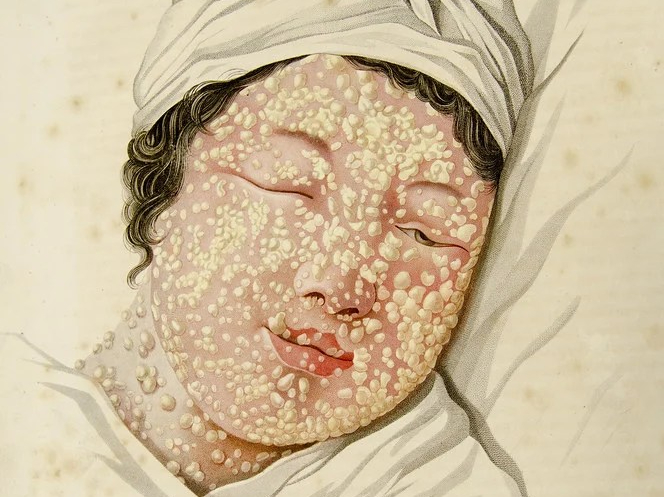
Smallpox, a once deadly disease, was eradicated due to immunization efforts worldwide. Ishaabhya Tripathi traces how this groundbreaking public health success was achieved,
-
Morrissey’s Muse: The Playwright Who Inspired the Smiths’ Discography

The playwright Shelagh Delaney is the hidden influence behind much of the Smiths’ discography. Naomi Wallace details Delaney’s bold and devastating dramatic style, making the case for her enduring legacy.
-
Examining Venezuela’s Economy and Oil Industry during Hugo Chavez’s First Two Presidential Terms
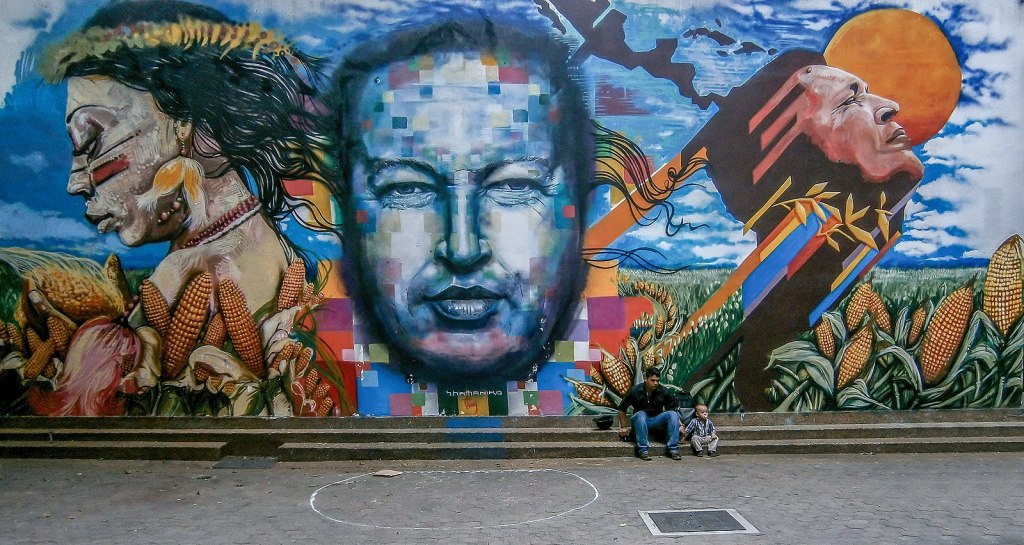
Hugo Chavez has been the most transformative and constructive leader for modern-day Venezuela. Meenakshi Nirmalan analyzes Chavez’s first two terms as Venezuelan president and how the economy faired under extreme reliance on oil.
-
Italian Americans and their Restitutor Orbis
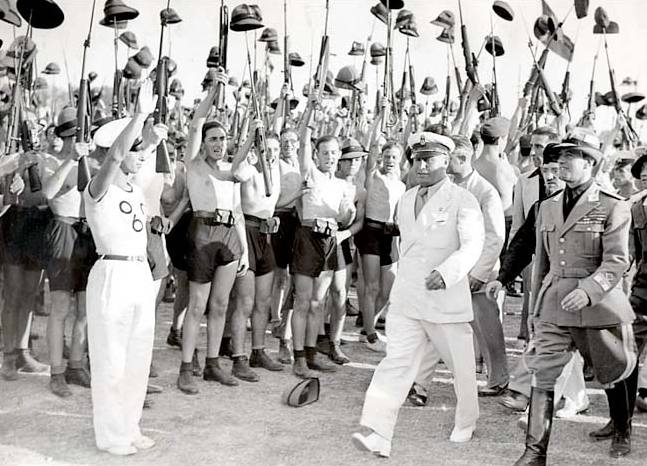
Italian immigration to the United States was high in the nineteenth century, and in the twentieth century when Mussolini came to power, their status between cultures became political. Emilio Luppino takes a look at Italian Americans’ relationship with Mussolini and Italy throughout his reign.
 Retrospect Journal