
Category: Features
-
Uncle Billy’s Medicine: Sherman’s art of war in the Confederate South
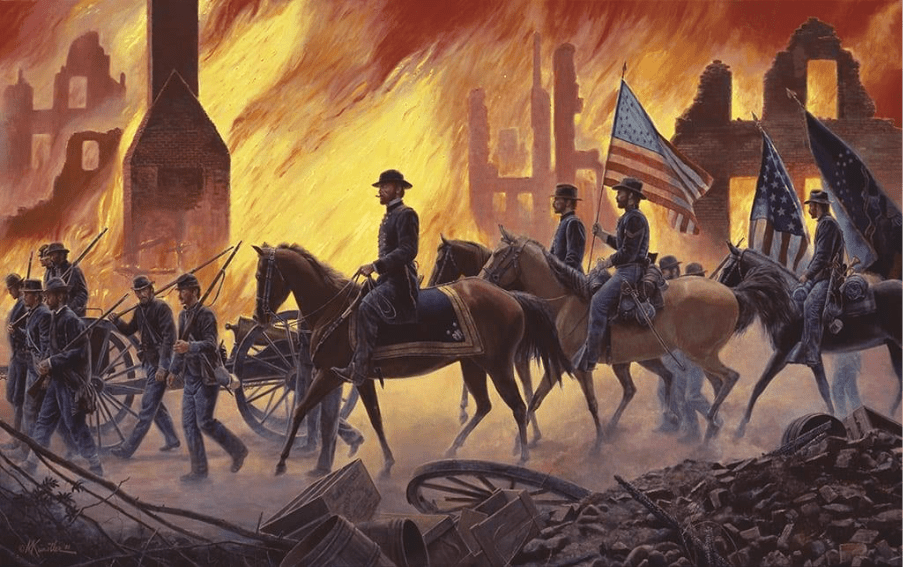
Sam Mackenzie narrates the role of General William Tecumseh Sherman amidst a precarious age for the Confederate South.
-
Lessons of Loss in The Epic of Gilgamesh
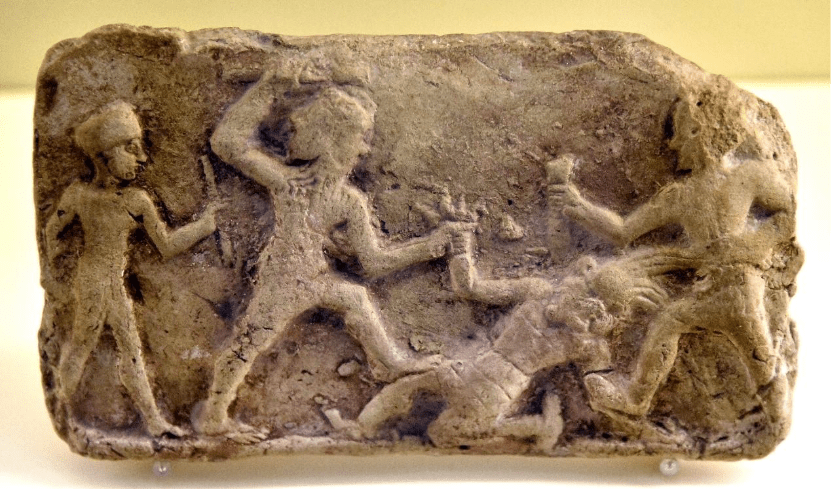
Peiqi An discusses the ancient Babylonian Epic of Gilgamesh, and what it tells us about themes of humanity, mortality, love, and more.
-
So what are we? Tracing the history of the situationship
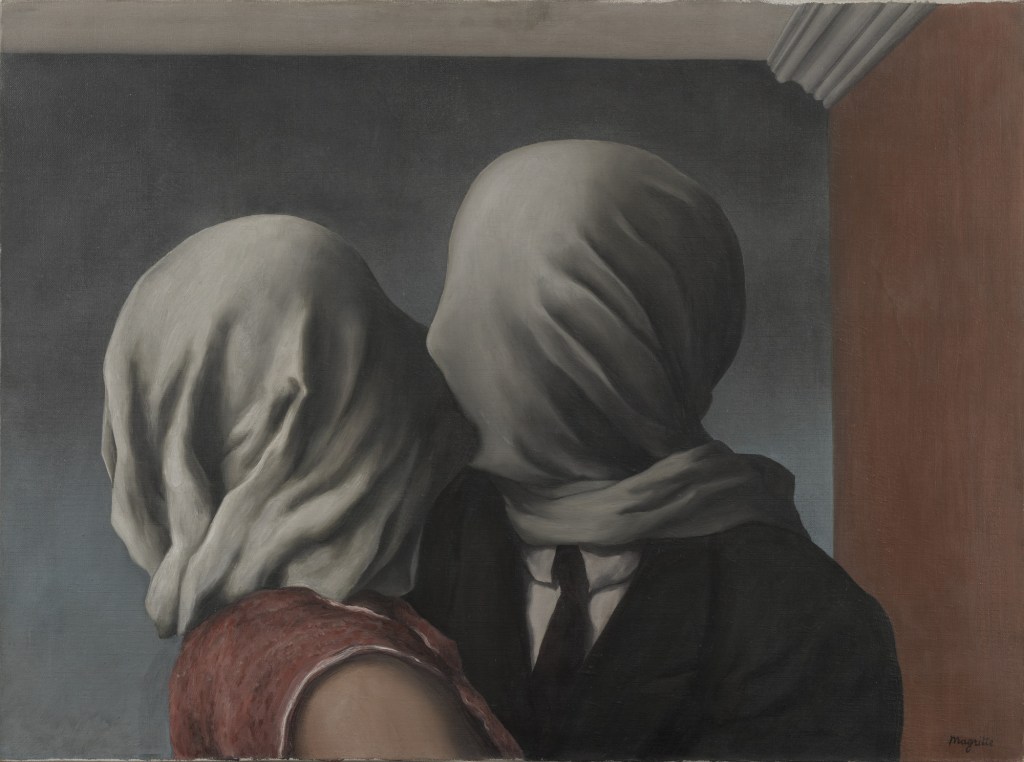
Helene Chaligne explores where the idea of a “situationship” comes from and how dating has changed over time
-
They call it the dance, It’s the St. Vitus dance
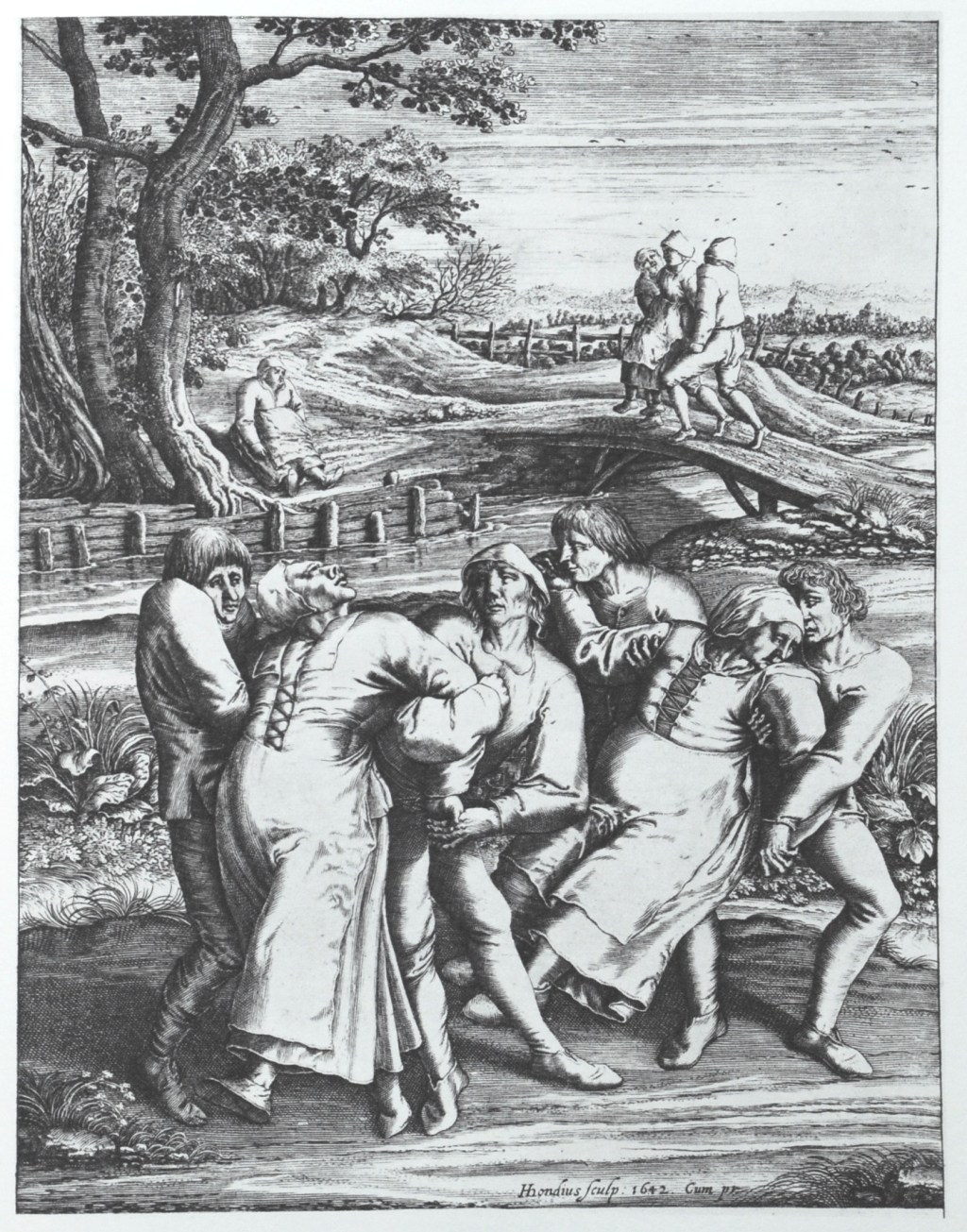
Elizabeth Hall explores the strange historical phenomenon known as the St. Vitus dance.
-
“This is 1972, Wake Up”: The Women Who Took on the Amateur Athletic Union and Won
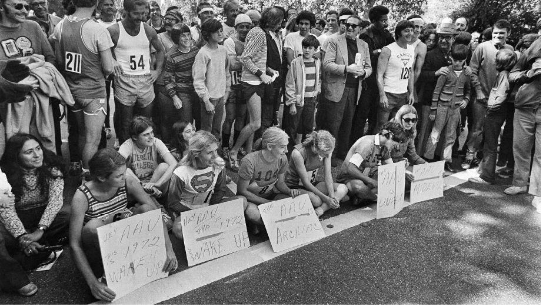
Kate Taylor details the six women who protested the exclusion of women from the New York Marathon in 1972.
-
Curious and Curiouser: The Anomaly of the Early Modern Witch Craze in Russia
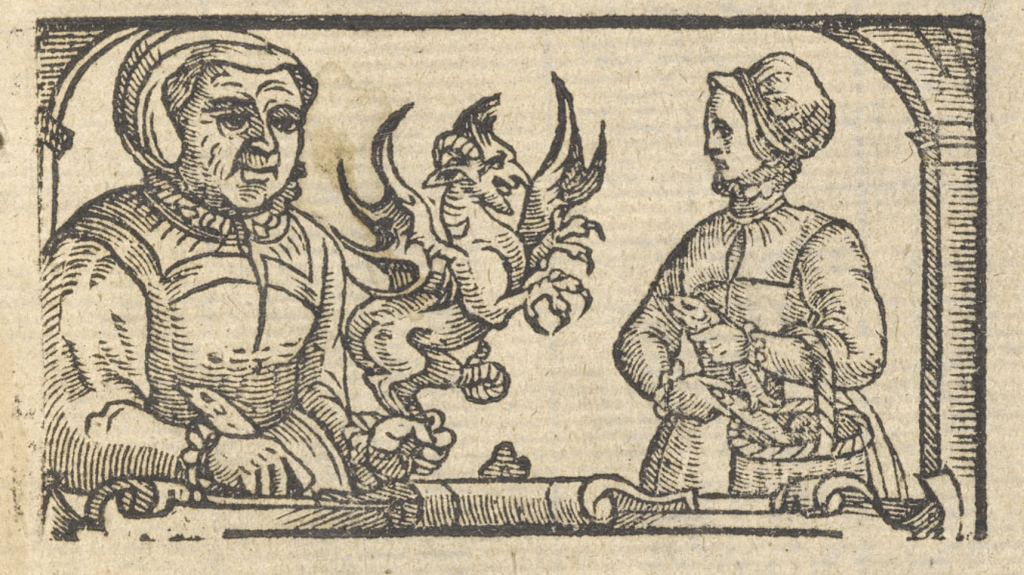
Millie Oliver details Russian witchcraft, analysing why it differed to the stereotypical witchcraft crazes seen elsewhere.
-
The Forgotten Stance: A Brief History of Spanish Non-Belligerence in World War Two
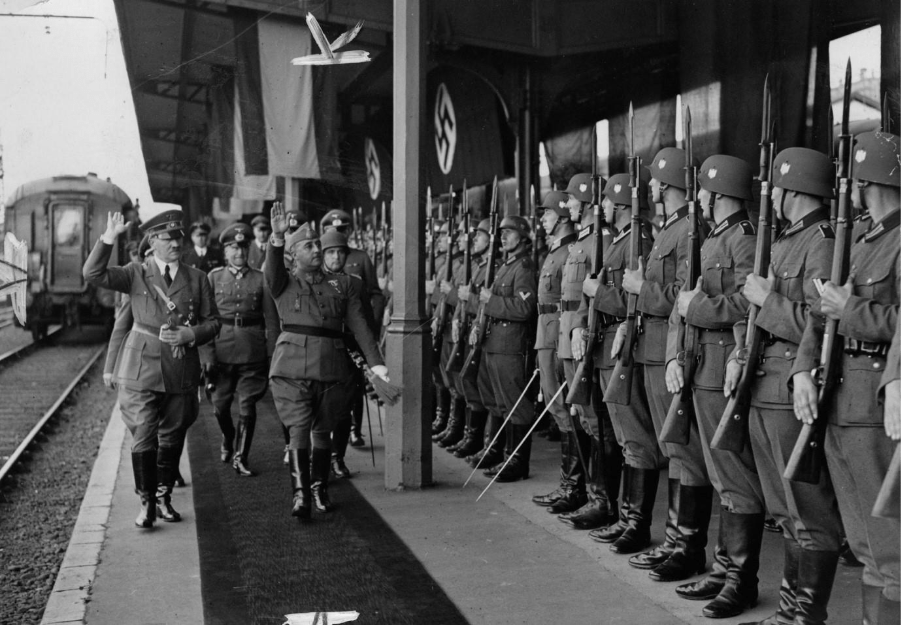
Owen James explores how Spain narrowly avoided World War II, debunking the myth of Franco’s “astute caution”. The article highlights the failed Hendaye meeting, where excessive imperial demands clashed with Hitler’s goals, and the Blue Division’s anti-communist crusade, proving Spanish non-belligerence was a result of necessity, not design.
-
American Involvement in the Cambodian War and Genocide
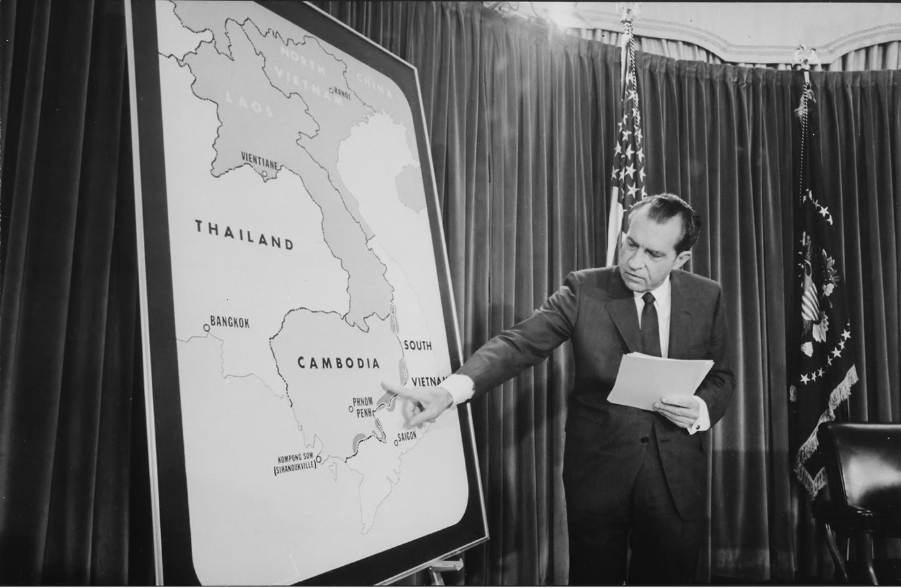
Owen James explores the tragic, overlooked history of Cambodia during the Cold War. By examining catastrophic bombing campaigns and covert political maneuvers, James argues for American complicity in the rise of the Khmer Rouge. This account reveals how US actions helped facilitate a horrifying genocide that devastated the entire nation .
 Retrospect Journal