
Category: Academic
-
The Politics of Faith in Constantine’s Rome
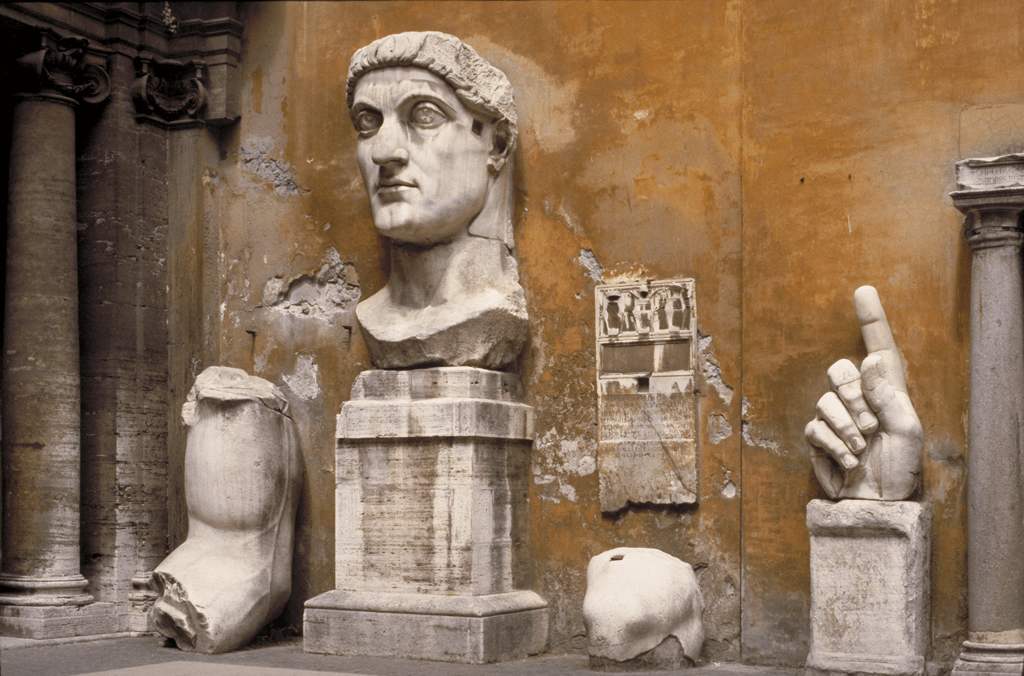
Tara Laize studies how Constantine’s reign transformed the Roman Empire by institutionalising Christianity, bringing together faith and politics in his policies.
-
Intellect in Paint: The Renaissance and the Rise of the Artist

Lydia Collier-Wood discusses how the Renaissance redefined the role of the artist as transitioning from craft to intellectual pursuit, exemplified by Botticelli and Signorelli.
-
Akbar’s Reign: Shifts in Imperial Identity

Yash Deshpande explores the ways in which Akbar’s reign marked a significant shift towards Hindustani culture, which ultimately transformed the Mughal Empire into a more inclusive state.
-
Ruffling Feathers: To what extent was the peacock revolution truly a lasting challenge to conformity?
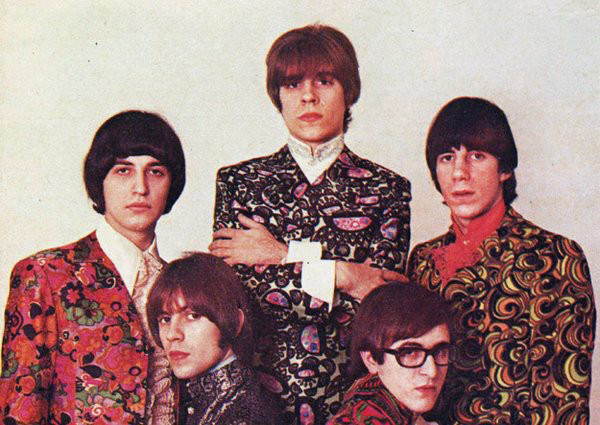
Emily Borg discusses what the Peacock Revolution is and how it marked a bold transformation in men’s fashion.
-
Folklore, Bloodshed, and Attempted Redemption: Assessing Cromwell’s legacy in Ireland

Kate Taylor details the complex legacy of Oliver Cromwell in Ireland.
-
Recreating the Myth: Cleopatra’s Death in Two Nineteenth-Century French Paintings
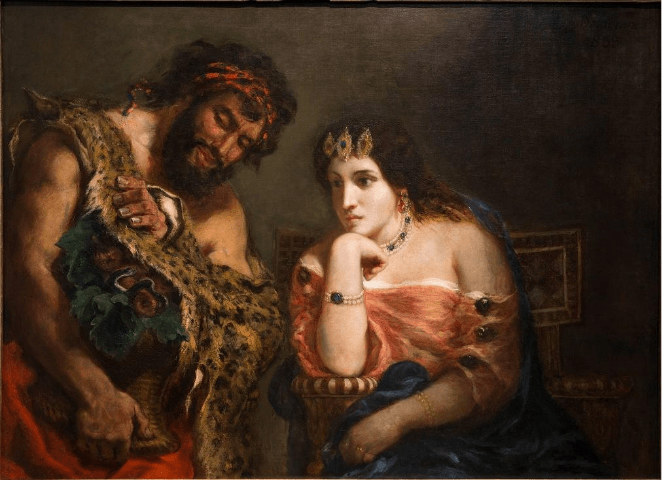
Peiqi An delves into the legacy of Cleopatra’s death and modern Egyptomania across a comparative visual analysis.
-
Distorting LGBTQ+ history? Problems with treating the Stonewall Riots as a moment of radical change

Kate Taylor challenges the perception that the Stonewall Riots marked a moment of radical change for LGBTQ+ history.
-
The Price of Peace: Tacitus’ Outlook Upon One-Man Rule

Ben Clarke writes that Tacitus, born under Nero, offers a sharp critique of one-man rule in Rome. Drawing on his senatorial background, he reveals how the principate eroded libertas, portraying imperial rule as a trade-off between stability and freedom, and condemning both tyranny and senatorial submission.
 Retrospect Journal