
Category: Academic
-
Between Decadence and Dictatorship: The Duality of the Weimar Republic
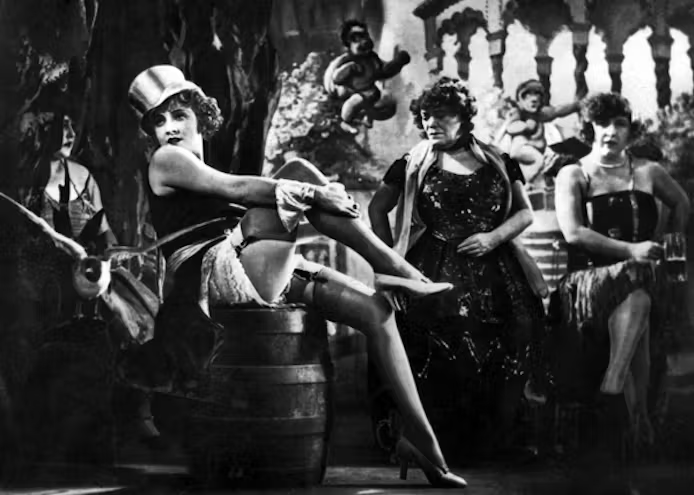
Edie Christian discusses the decadent and dynamic culture of the Weimar Republic – which belied the economic crises, structural flaws, and sociopolitical instability that set the stage for Hitler’s regime.
-
Beloved of a Nation: Empress ‘’Sisi’’ Elizabeth’s Bond with Hungary and the Birth of the Dual Monarchy, 1848-1867

Seanryan Lai-Academic explores how Empress Elisabeth “Sisi” of Austria developed a deep personal and political bond with Hungary.
-
‘Does the Bicycle Make Women Cruel?’: Freedom, Feminism and the Fin de Siècle

Elizabeth Hill explores nineteenth century fears over women cycling, and how cycling played a role in women’s liberation.
-
Dominium Maris Baltici: Baltic trade and diplomacy in Sweden’s Great Power Era

In the 17th century, Sweden shifted its foreign policy towards monopolising Baltic trade after colonial failures. George Purdy explains this in detail through strategic alliances and diplomacy with powers like the Dutch and the English, enhancing Sweden’s economic standing and regional influence, setting the stage for its emergence as a significant European power.
-
An Introduction to the Role of Roman Mime Actresses Within Ancient Roman Society
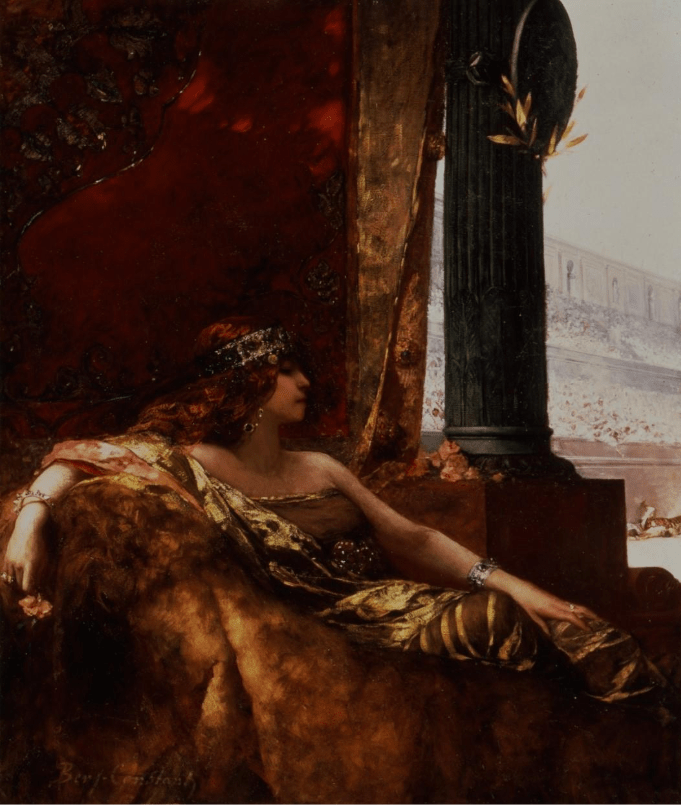
Bethany Hicks-Gravener considers Roman mime as a unique theatrical genre of female performance in Ancient Rome.
-
Did Sulla’s dictatorship amount to a restoration of the Republic, or its demise?
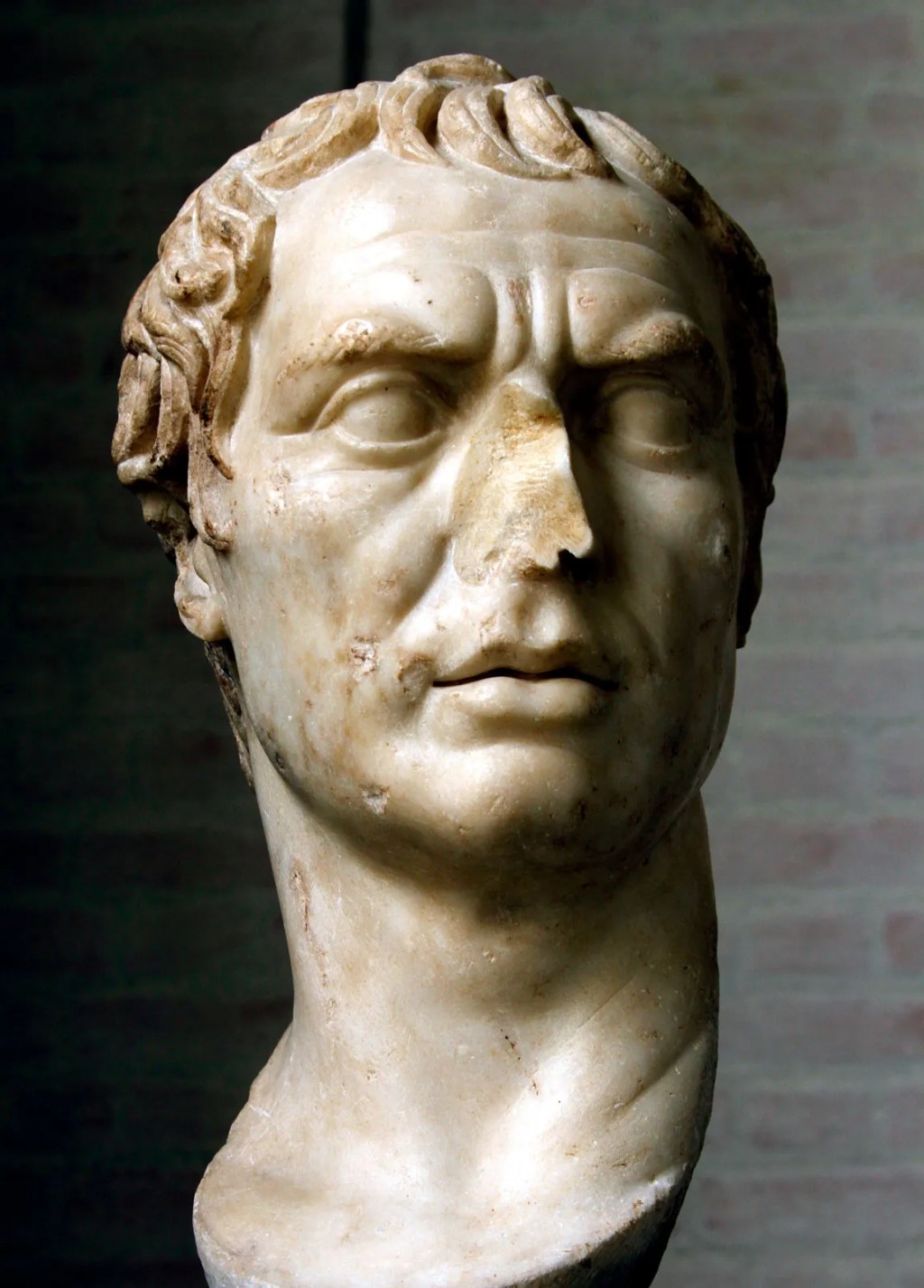
Ben Clarke’s article examines whether Sulla’s dictatorship truly restored the Roman Republic or instead accelerated its downfall.
-
The Human Chain of Demurral: The Aesthetics of Refusal

Ami John’s tripartite exhibition examines the impactful protest art of Paula Rego, Leon Golub, and Liberate Tate, highlighting their confrontations against social issues of abortion, perpetual conflict, and climate change, advocating for autonomy and justice.
-
How important are the structural remains at Mycenae, other than those of graves to our understanding of Mycenaean society?
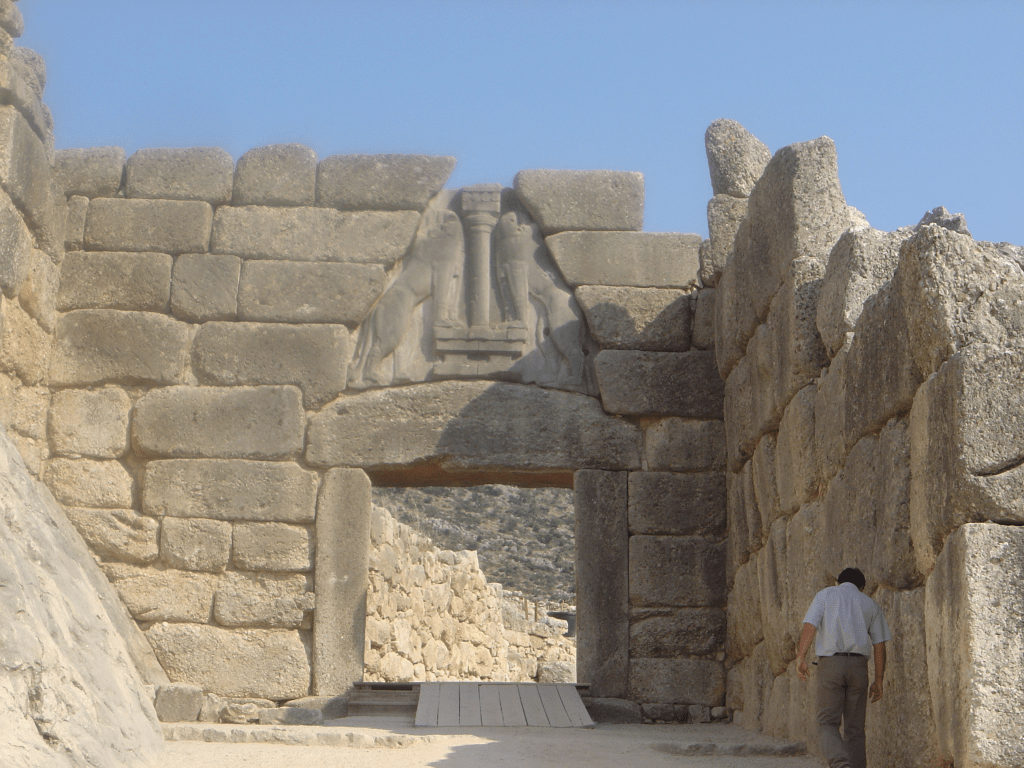
Poppy Williams discusses what structural remains at Mycenae, particularly the Citadel, tell us about Mycenaean society, through architecture, symbolism, trade, technological capabilities, and more.
 Retrospect Journal