
Category: Academic
-
Lucrezia Borgia: A Woman whose Reputation has been Maligned by History

Lucrezia Borgia is a figure defined by her proximity to political intrigue and sexual scandal. Francesca Newson outlines the historiographic treatment of Borgia, and the attempts to redefine her image.
-
Grimond’s Gunfire: The Radical Revival of the U.K. Liberal Party
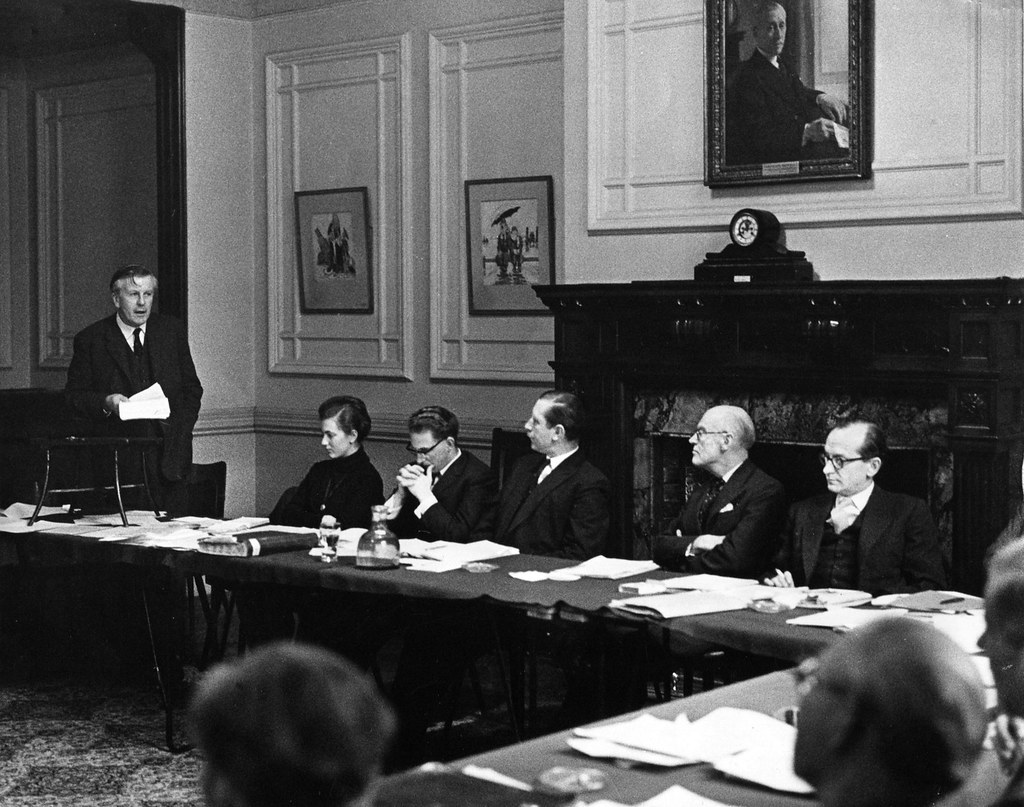
When the U.K. Liberal Party was on it’s last legs, Jo Grimond’s leadership changed the fate and trajectory of the third-party. Sam Marks outlines Grimond’s life and legacy.
-
Why did Women Embrace Sexual Renunciation in Late Antiquity?

Harry Fry delves into the complex dynamics of women’s choice regarding sexual renunciation in Late Antiquity.
-
The Skull Chalice: Khan Krum and the Demise of Emperor Nikephoros

According to Theophanes the Confessor, a Byzantine chronicler, Khan Krum severed the head of the Emperor Nikephoros during their final battle and used his skull as a chalice. Kat Jivkova examines the authenticity of this medieval tale.
-
Disability and the Social Hierarchy of Ancient Greece
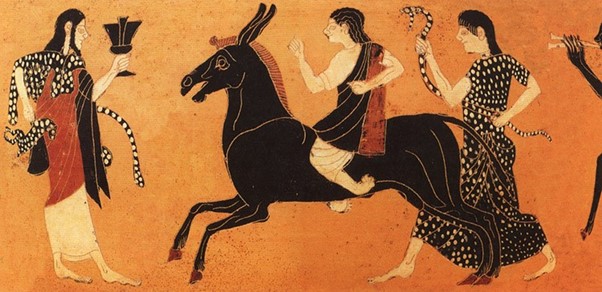
Ancient Greek society was of a distinctly hierarchical nature. Kate Jensen examines how disability interacted within this hierarchy.
-
She Writes in White Ink: Dreams, Fantasy, and Sensation in Hélène Cixous’ The Laugh of Medusa
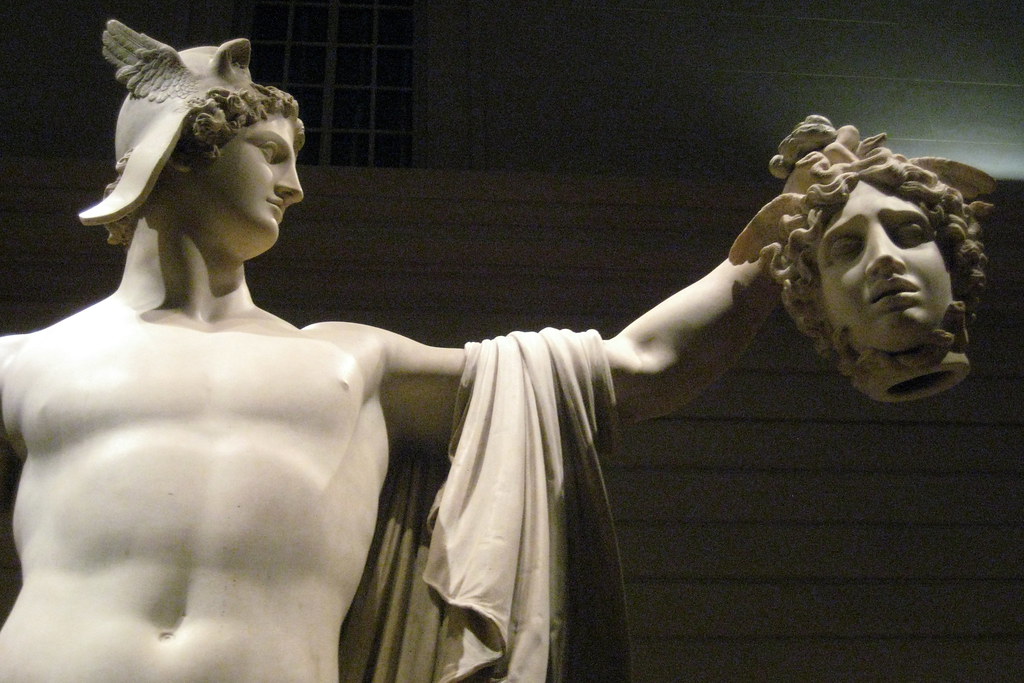
Hélène Cixous’ essay The Laugh of Medusa argues that women must use their bodies as a means of communication. Georgia Smith explores the influence of Cixous on intellectual history and philosophy.
-
“It’s the End of Atlantis!”: Bulgarian Science Fiction in the Western Mind

Science fiction is frequently seen as a genre created in the West that later spread to the rest of the world. Kat Jivkova takes a look at Bulgaria’s own rich sci-fi tradition.
-
Medieval Miracles: Why and How Clerical Authors Used Omens
Medieval chronicles are extremely useful for historians, acting as a contemporary source available for understanding opinions from this earlier time period. Marnie Camping-Harris takes a look at the use of omens and miracles in them.
 Retrospect Journal