
Category: Academic
-
Unravelling the Khmer Rouge’s Motivations

Cambodia’s postcolonial era created a social context for the radical ideologies of the Khmer Rouge and led to the systematic extermination of c.1.7 million people. Louisa Steijger explores the impact of colonialism and the Cold War on the Khmer Rouge.
-
Breaking Boundaries: Carnival as a Site of Transgression in Trinidad and Jamaica
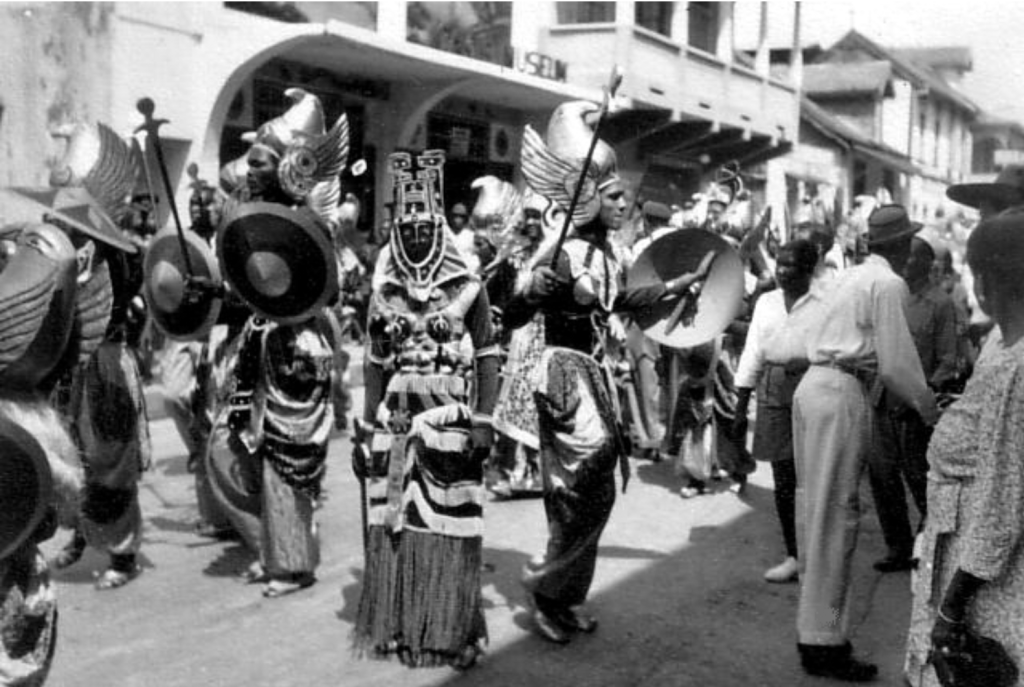
Olivia Norbury explores the deeper meaning of liberation behind Carnival in the oppressed communities of Trinidad and Jamaica, including breaking free from traditional gender boundaries and other social norms.
-
Female Agency and the Gendering of Knowledge in Twentieth-Century Visual Representations
Harry Fry examines the portrayal of women by female and male artists, pointing to the persistent limitations of their agency.
-
In Bad Taste: On the Politics of Aesthetics

Georgia Smith discusses the politics of aesthetics within the contexts of class, gender, and consumerism today.
-
The Fight Against Equality: Phyllis Schlafly’s Impact on the Equal Rights Amendment

The Equal Rights Amendment was a centripetal force for feminists in the U.S. to rally around in the 1960s. Though popular and close to constitutional ratification, Edie Christian explores the legacy of Phyllis Schlafley’s activism against the Amendment.
-
Big Hair Energy: Exploring Ideas of Flavian Women’s Identity and Postmortem Agency

Hair has been one of the most consistent ways humans can express themselves throughout history. Yacine N’Dao analyzes the Flavian coiffure style that emerged under Flavian rule and how the style was used by women to make themselves visible despite sex-based social conditions.
-
Saving Grace: The Story of a Sixteen-Year-Old Murderess
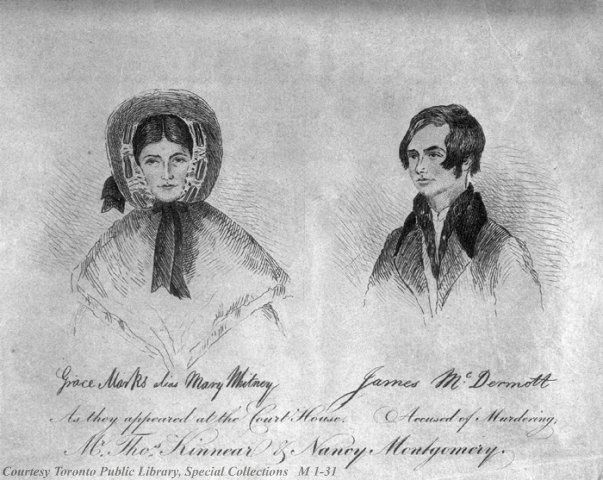
Grace Marks has become a mystified figure for her relation to the murder of Thomas Kinnear and housekeeper Nancy Montogomery. Ella Gibson analyzes how Marks’ mystification challenged power structures of both class and gender.
-
Galileo and the Modernisation of the Italian Language

Francesca Newson explores Galileo’s decision to write about science in Italian rather than in the traditional vernacular of Latin.
 Retrospect Journal