
Category: Academic
-
Beyond Servitude: Uncovering Agency, Community and Resistance in Indian Indentured Labour

Maia Bennet explores how a revisionist approach to indentured servitude reveals complexities of agency, resistance, and community among Indian labourers.
-
Queer Performance and The Male Gaze: Redrafting Masculinity through Comparison in Emerald Fennell’s Saltburn

Harry Fry explores the construction of masculinity in Emerald Fennell’s critically acclaimed feature film Saltburn.
-
Please Don’t Overlook Austria: The Unpleasant Roots of Austria’s Far-right Party
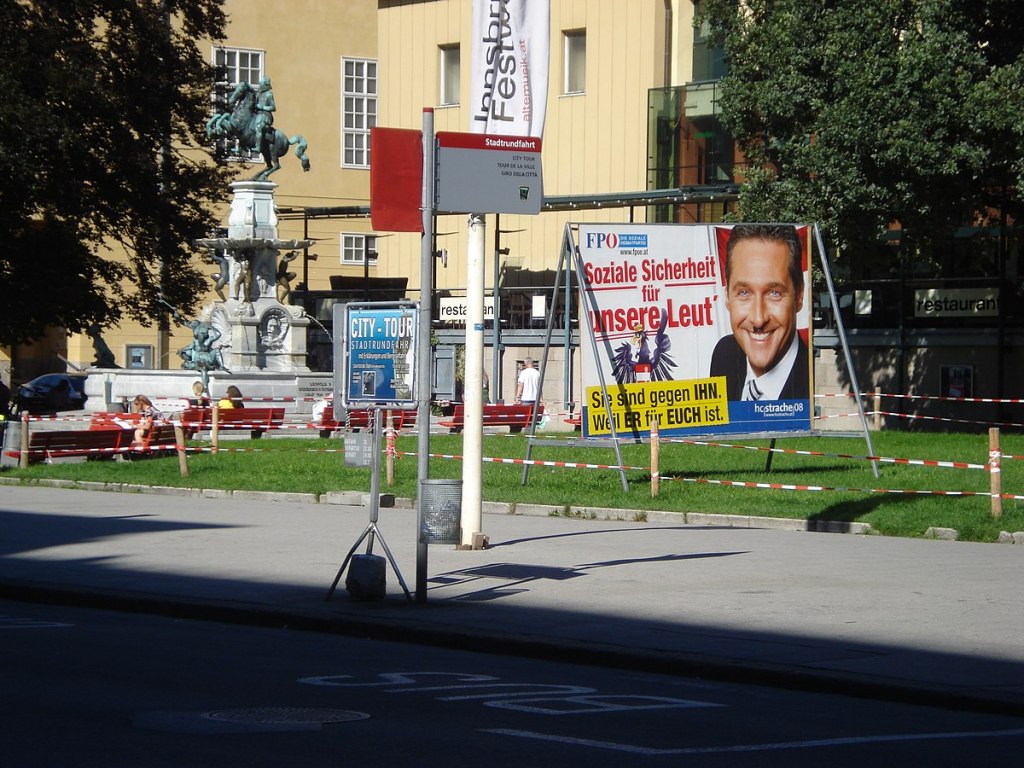
Austria’s far-right Freedom Party (FPÖ), with a historical Nazi connection, won 28.8% in recent elections amid rising right-wing sentiment and protests. Hanako Nordborg traces the roots of the Far-right movement in Austria.
-
Identifying the Last Witch to be Burned in Ireland: Was it Bridget Cleary?

The story of Bridget Cleary illustrates the violent consequences of folklore beliefs, merging themes of guilt, punishment, and societal perceptions surrounding women in Ireland. Kate Phillips explores Cleary’s legacy and whether she ought to be considered the last witch to be burned in Ireland.
-
The Trials of the Greek Junta: A Brief History of an Overlooked Legal Past
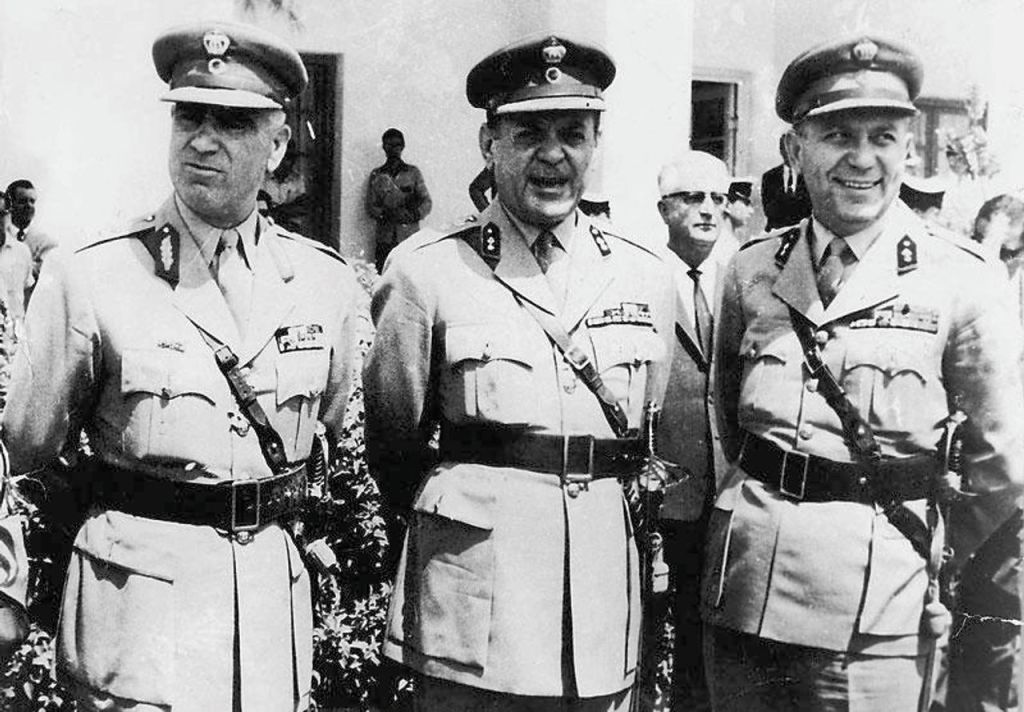
In “The Trials of the Greek Junta: A Brief History of an Overlooked Legal Past,” Samantha de Verteuil recounts the aftermath of the military dictatorship in Greece (1967-1974) and the trials that followed its collapse.
-
How Political Influences Derailed LBJ’s Troubled Vietnam Campaign

Freddie Webb explores how domestic political pressures significantly undermined President Lyndon B. Johnson’s approach to the Vietnam War.
-
Legacies of Ujamaa

Postcolonial philosophies have presented many ways how nations can develop after gaining independence. Hector Le Luel explores Tanzanian President Julius Nyrere’s social welfare policies of Ujamaa and how they help create national unity.
-
The Art of Arpilleras under Augusto Pinochet’s Authoritarian Rule

Augusto Pinochet’s dictatorship in Chile (1973-1990) was marked by violence and repression. Louisa Steijger discusses female responses through arpilleras, vibrant tapestries documenting daily life and resistance.
 Retrospect Journal