
Tag: Womens History
-
“This is 1972, Wake Up”: The Women Who Took on the Amateur Athletic Union and Won
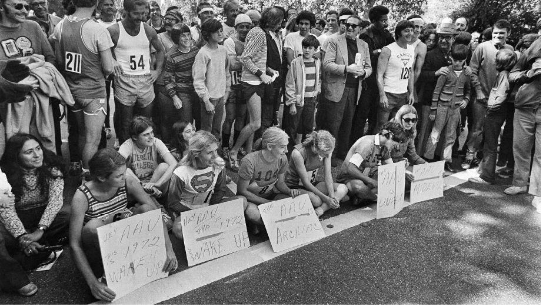
Kate Taylor details the six women who protested the exclusion of women from the New York Marathon in 1972.
-
Women’s Leisure in Nineteenth-Century Britain
Lauren Hood explores the leisure activities of women in nineteenth-century Britain expanded, and how these were influenced by class, gender expectations, and social responsibilities.
-
Is Gossiping Feminist? The History Behind the Villainisation of ‘Tell-Tales’

Abbie Teal explores the history of gossip as a female practice and how perceptions of this have evolved over time.
-
Hot to Go: The Historical Trend of Lesbianism in Pop Culture

The summer of 2024 celebrates queer women in media, but historical trends suggest future acceptance may be uncertain and fleeting. Daisy Carter takes us back to twentieth-century Paris, exploring how women began to create a same-sex haven for themselves – and how this was met with resistance in the interwar period.
-
Identifying the Last Witch to be Burned in Ireland: Was it Bridget Cleary?

The story of Bridget Cleary illustrates the violent consequences of folklore beliefs, merging themes of guilt, punishment, and societal perceptions surrounding women in Ireland. Kate Phillips explores Cleary’s legacy and whether she ought to be considered the last witch to be burned in Ireland.
-
Rejecting Historical Conventionality under the 4B Movement and Hell Joseon: Evaluating the Rationale and Success of South Korean Youths in Performing Social Inactivity through these Frameworks

The 4B Movement and Hell Joseon reflect South Korean youths’ discontent against patriarchy, advocating for female empowerment, identity reconstruction, and societal escape from traditional norms. Harry Fry examines the success of these moments and their impact on youth experiences.
-
Equality in Art: Las Mujeres Sin Sombrero

“Las Sinsombrero” were a group of Spanish female artists in the Generation of 1927 who challenged gender inequality and the lack of recognition for their work. Isabelle Shaw provides a history of their resistance and biographies of some of its revolutionary members.
-
Book Review – Parreñas, Rhacel. 2011. Illicit Flirtations: Labor, Migration, and Sex Trafficking in Tokyo. Stanford, California: Stanford University Press.

Rhacel Parreñas’ 2011 text, “Illicit Flirtations: Labor, Migration, and Sex Trafficking in Tokyo”, seeks to examine the misconceptions surrounding the Filipina hostesses of Japan whose livelihood came under global scrutiny through the US-led anti-trafficking campaign. Rosie Inwald discusses Parreñas’ work and the issues with a top-down perspective on the agency of these women.
 Retrospect Journal