
Tag: Twentieth Century
-
Evald Ilyenkov: Creative Marxism and Mid-Century Soviet Theory
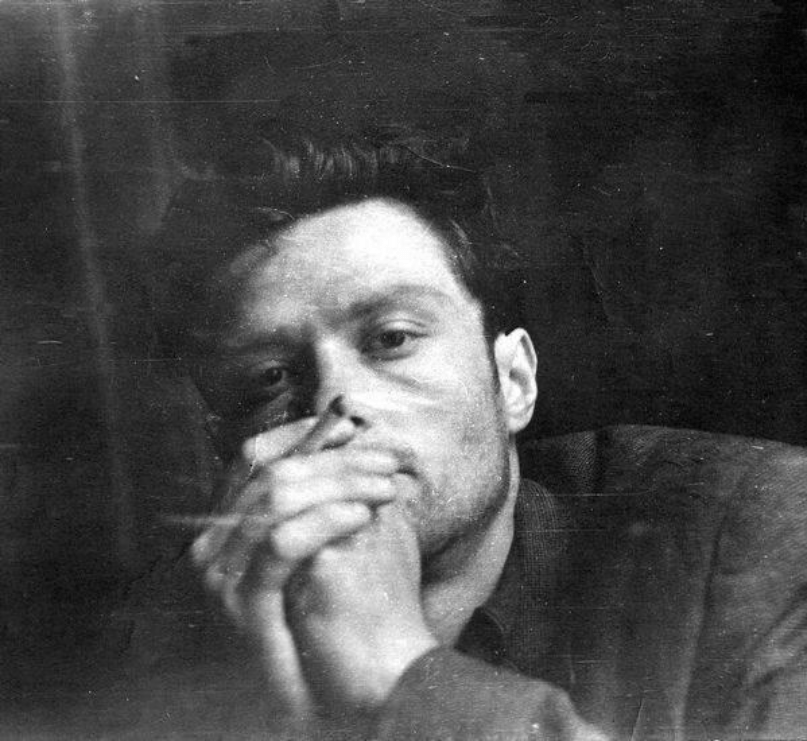
Finley Farrell examines Evald Ilyenkov’s “Creative Soviet Marxism,” which challenged rigid “diamat” orthodoxy. Ilyenkov posited that consciousness stems from human activity rather than simple material reflection. His theories critiqued biological determinism in the division of labour and navigated Lenin’s complex symbolic role.
-
So what are we? Tracing the history of the situationship
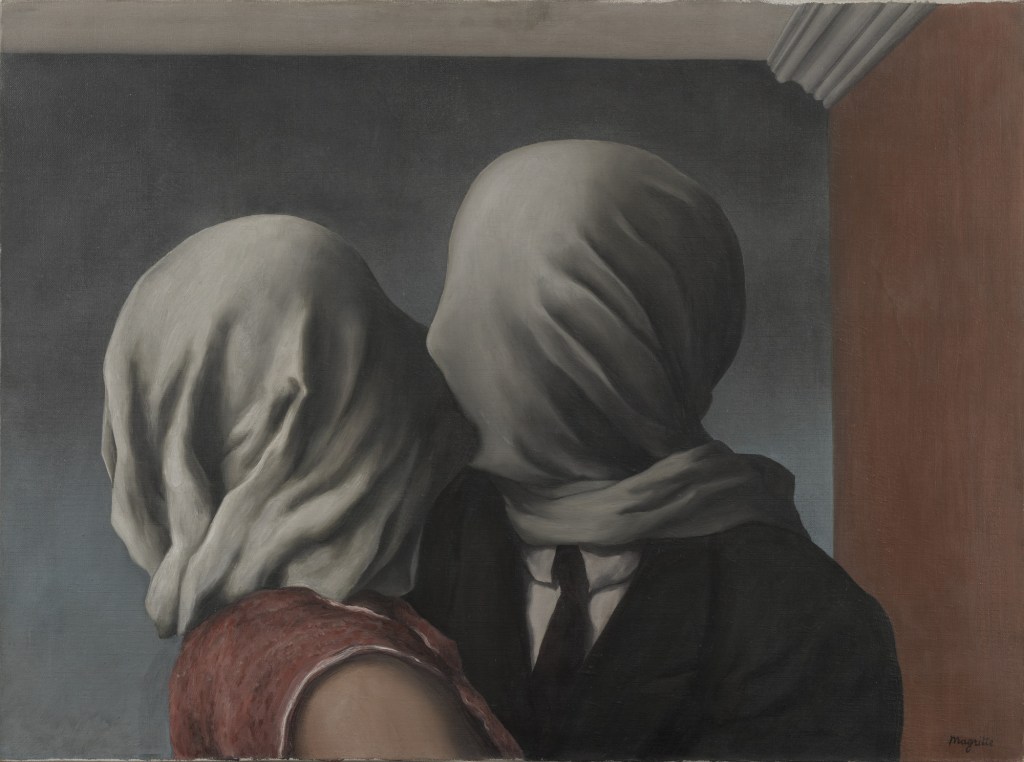
Helene Chaligne explores where the idea of a “situationship” comes from and how dating has changed over time
-
“This is 1972, Wake Up”: The Women Who Took on the Amateur Athletic Union and Won
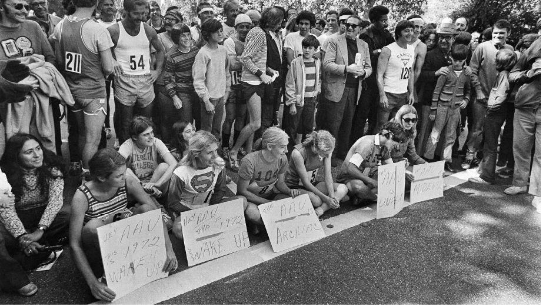
Kate Taylor details the six women who protested the exclusion of women from the New York Marathon in 1972.
-
The Forgotten Stance: A Brief History of Spanish Non-Belligerence in World War Two
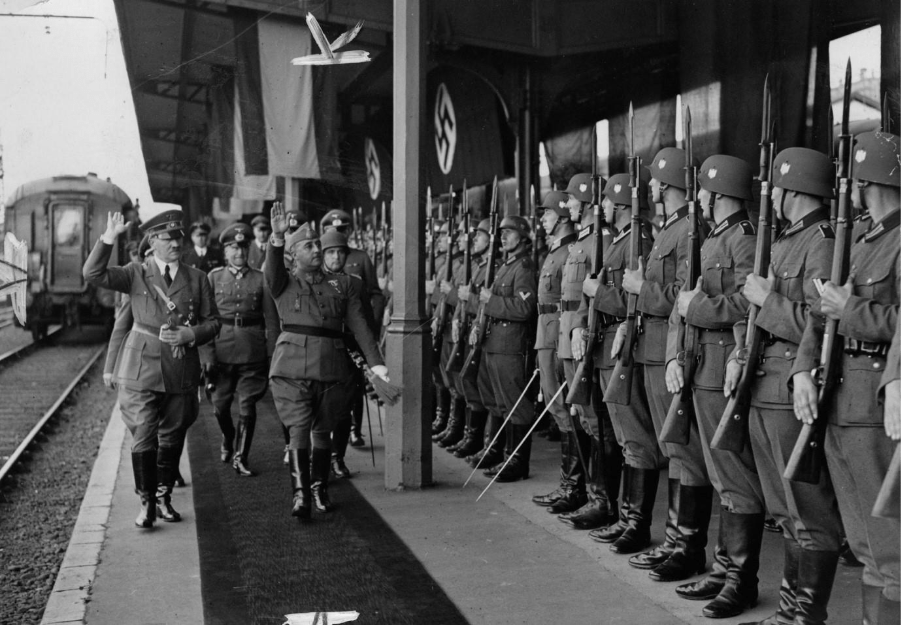
Owen James explores how Spain narrowly avoided World War II, debunking the myth of Franco’s “astute caution”. The article highlights the failed Hendaye meeting, where excessive imperial demands clashed with Hitler’s goals, and the Blue Division’s anti-communist crusade, proving Spanish non-belligerence was a result of necessity, not design.
-
Beyond the ‘Puppet State’: Rethinking the 1960-63 Katangese Secession
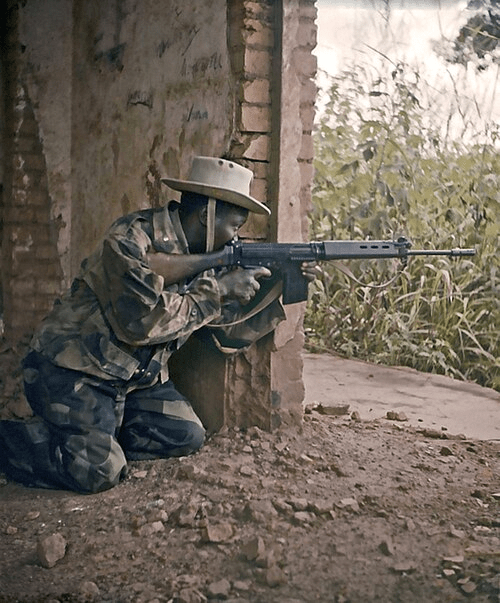
Edie Christian re-examines the 1960–63 Katangese secession. While traditionally viewed as a “puppet regime” for Belgian mining interests, Christian highlights recent scholarship emphasising the political agency of local leaders like Moïse Tshombe, offering a more nuanced perspective on this postcolonial conflict.
-
American Involvement in the Cambodian War and Genocide
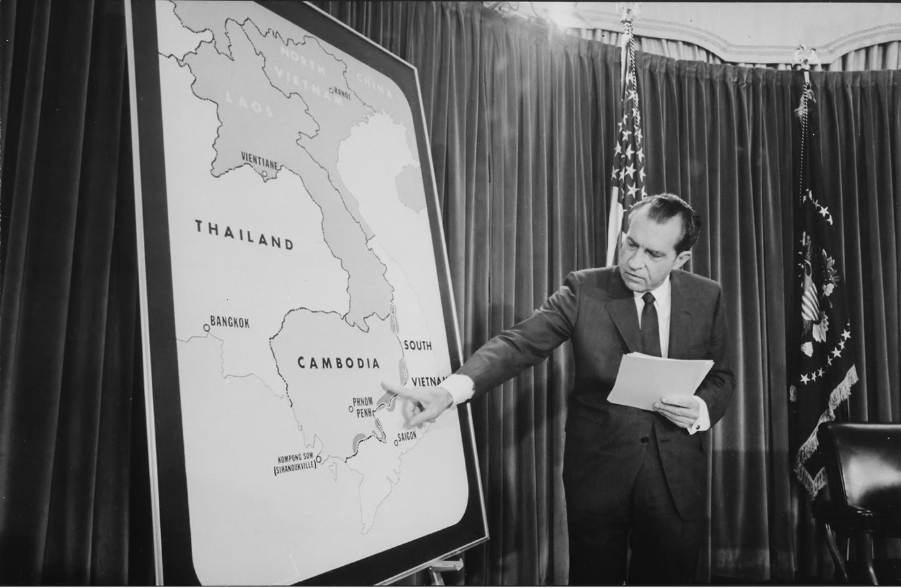
Owen James explores the tragic, overlooked history of Cambodia during the Cold War. By examining catastrophic bombing campaigns and covert political maneuvers, James argues for American complicity in the rise of the Khmer Rouge. This account reveals how US actions helped facilitate a horrifying genocide that devastated the entire nation .
-
The Wickedest Man in the World: A Brief Biography of Aleister Crowley’s Immortality
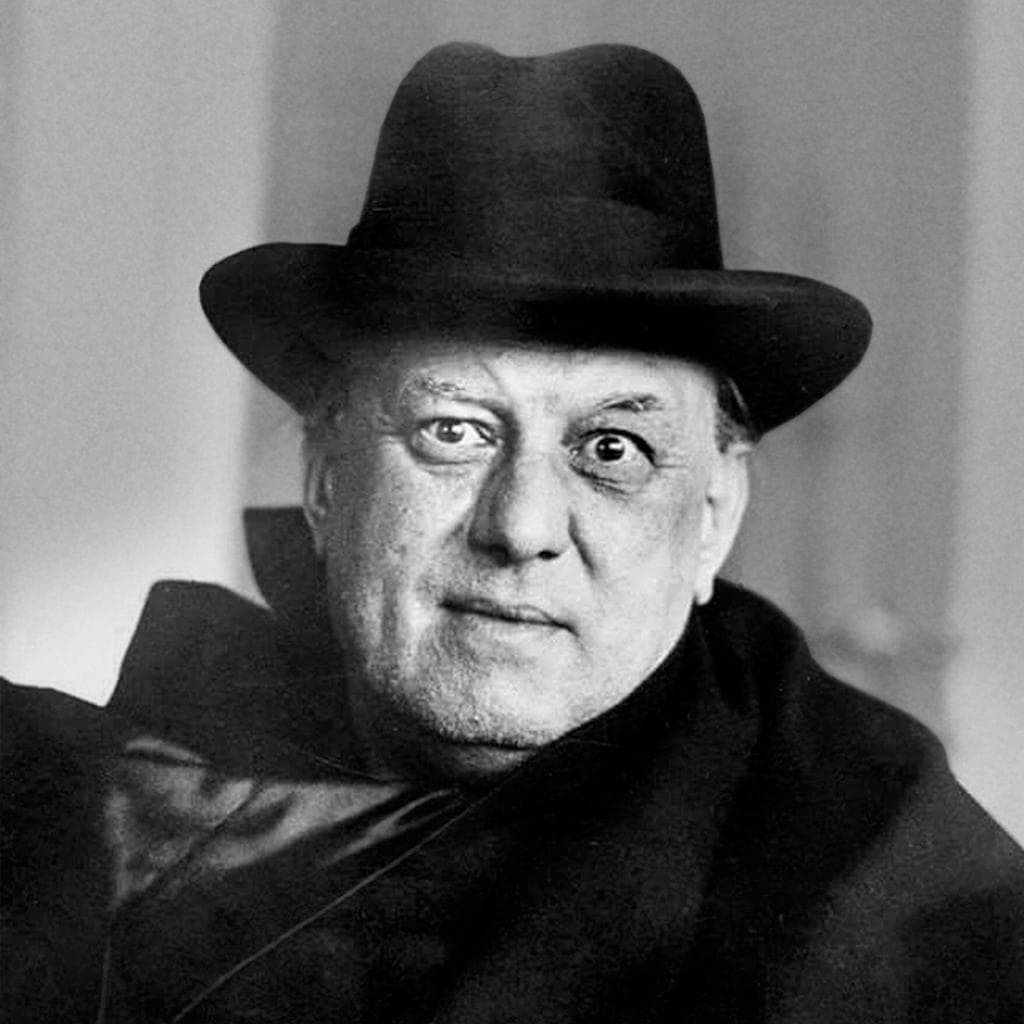
Manahil Masood explores why Aleister Crowley is still remembered and talked about today.
-
Politics of Memory: The Kosovo Myth and the Rise of Serbian Nationalism
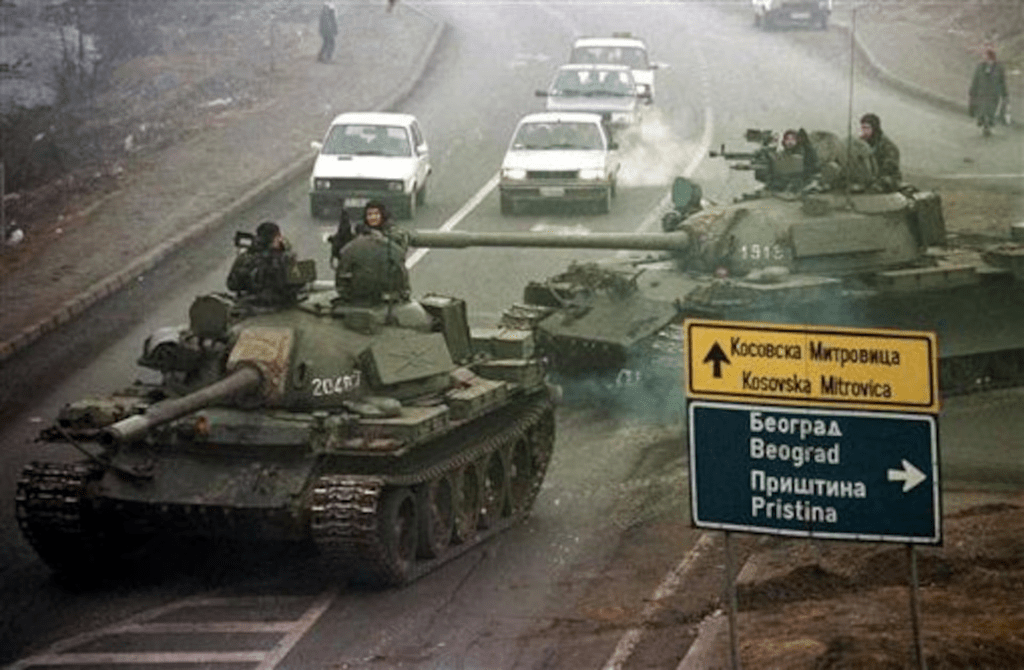
Edie Christian explores the Yugoslav Wars from 1991 to 2001, driven by ethnic tensions and Serbian nationalism, especially following Tito’s death. Slobodan Milošević exploited the Kosovo myth, linking historical victimization to bolster nationalist sentiment. His rhetoric incited violence and civil conflict, culminating in war crimes resulting in approximately 140,000 deaths and significant displacement.
 Retrospect Journal