
Tag: Philosophy
-
Between Utopia and Tyranny: What Plato and Marx Tell Us About Power

Lydia Collier-Wood compares and contrasts two renowned thinkers of our ancient and modern history. Plato’s Republic envisions an ideal society focused on justice and collective good, contrasting with Marxist theory’s historical view on class and oppression, revealing tensions in political idealism.
-
From Pagan Sage to Islamic Prophet of Science: The Reinterpretation of Hermes Trismegistus
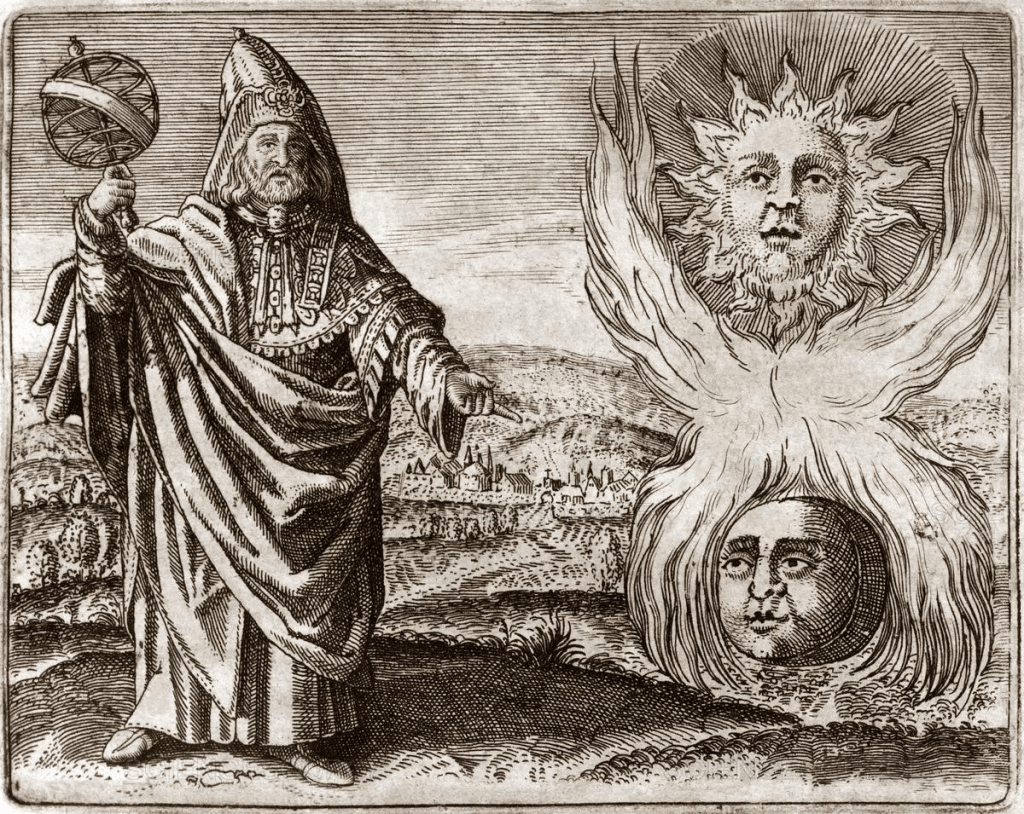
This article by Manahil Masood examines the evolution of Hermes Trismegistus from a Graeco-Egyptian figure to an Islamic prophet of science. It explores his integration into Islamic intellectual traditions, showing how Hellenistic philosophies shaped his reinterpretation. By analyzing this syncretism, the study highlights Hermes’ role as a bridge between pagan and monotheistic beliefs.
-
Machivalli’s Nightmare: Saint-Exupéry and the Philosophy of le Petit Prince

Alexander Stroem explores The Little Prince, by Antoine de Saint-Exupéry, transcending the children’s book label, and exploring the profound humanist themes such as love and friendship amid a backdrop of World War II. Saint-Exupéry’s work serves as a critique of adult behaviour and a plea for compassion, instilling essential values in both children and adults…
-
Legacies of Ujamaa

Postcolonial philosophies have presented many ways how nations can develop after gaining independence. Hector Le Luel explores Tanzanian President Julius Nyrere’s social welfare policies of Ujamaa and how they help create national unity.
-
Female Agency and the Gendering of Knowledge in Twentieth-Century Visual Representations
Harry Fry examines the portrayal of women by female and male artists, pointing to the persistent limitations of their agency.
-
In Bad Taste: On the Politics of Aesthetics

Georgia Smith discusses the politics of aesthetics within the contexts of class, gender, and consumerism today.
-
She Writes in White Ink: Dreams, Fantasy, and Sensation in Hélène Cixous’ The Laugh of Medusa
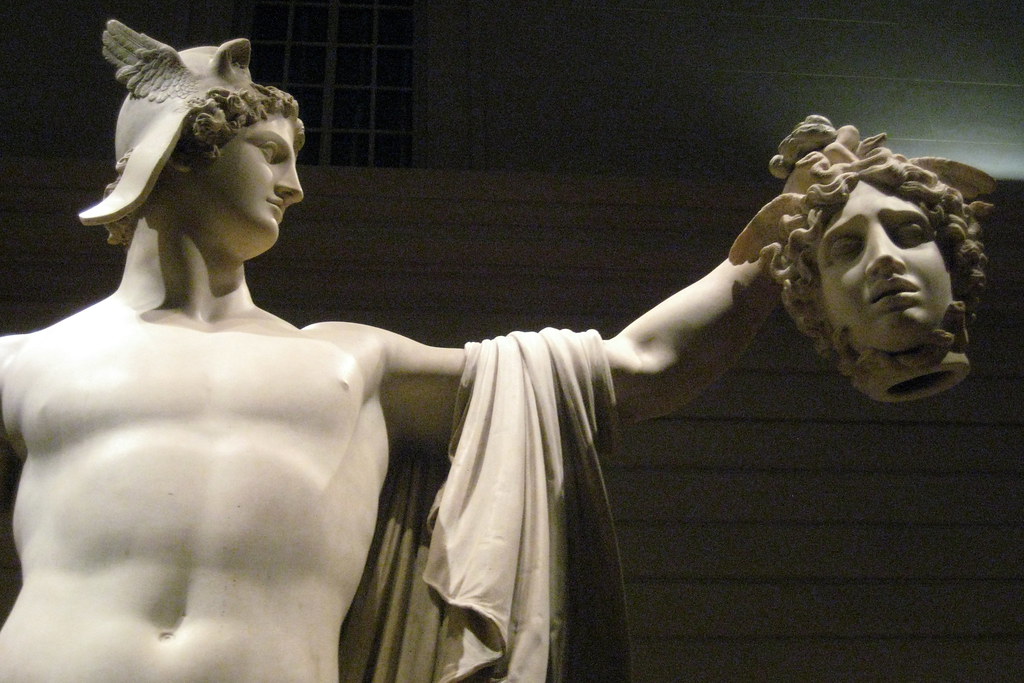
Hélène Cixous’ essay The Laugh of Medusa argues that women must use their bodies as a means of communication. Georgia Smith explores the influence of Cixous on intellectual history and philosophy.
-
Problems with Plutarch: A glance at the hypocrisy within the tradition of “Mirrors for Princes”

Oscar Virdee looks at works by Plutarch, the tradition of self-help books for rulers and the interpretation of modern scholars.
 Retrospect Journal