
Tag: Medical History
-
From Edinburgh’s Bedlam to the NHS: The Changing Conception of Mental Health Disorders in Scotland
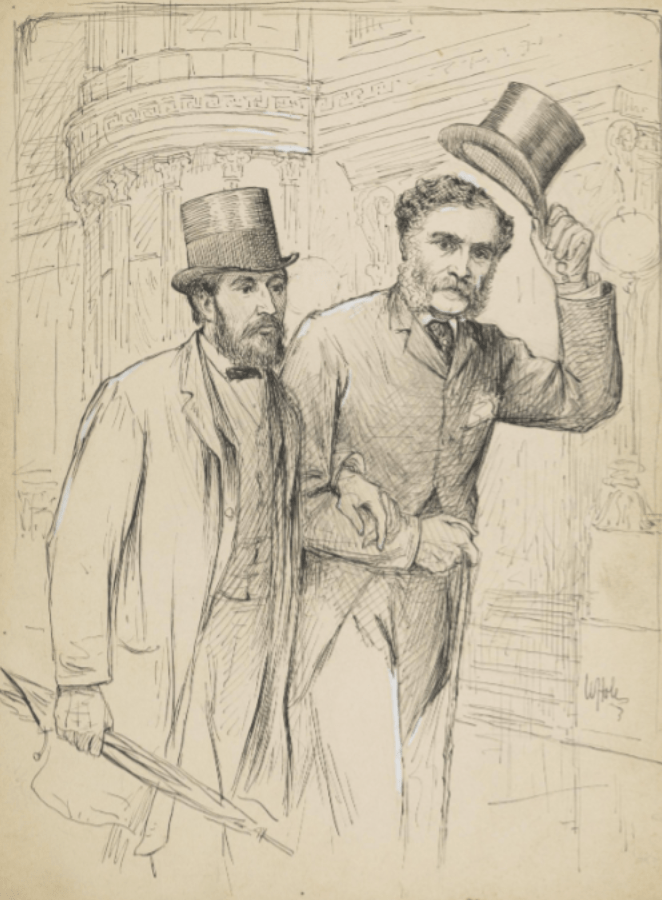
Bethan Williamson reflects on the changes in attitudes towards mental health care in Scottish hospitals.
-
Inequality in Britain’s Healthcare
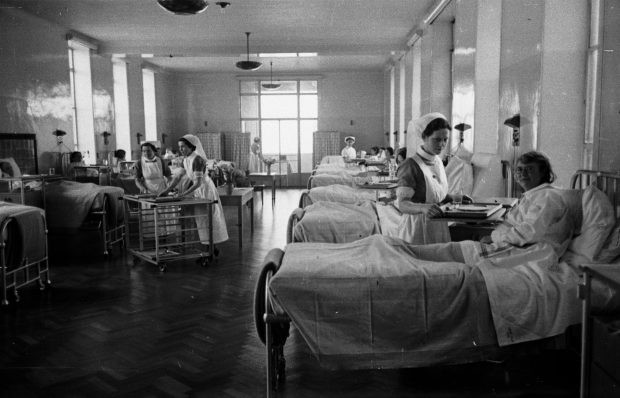
Lauren Hood discusses the establishment of the NHS in Britain, highlighting initial public scepticism and doctors’ concerns over financial impacts. Despite its aim to provide equal healthcare access, disparities persist, exacerbated by increased privatization. The NHS remains a source of national pride, yet faces ongoing criticism regarding service quality and accessibility issues.
-
Representations of Women Working in the NHS within Medical Romance Novels
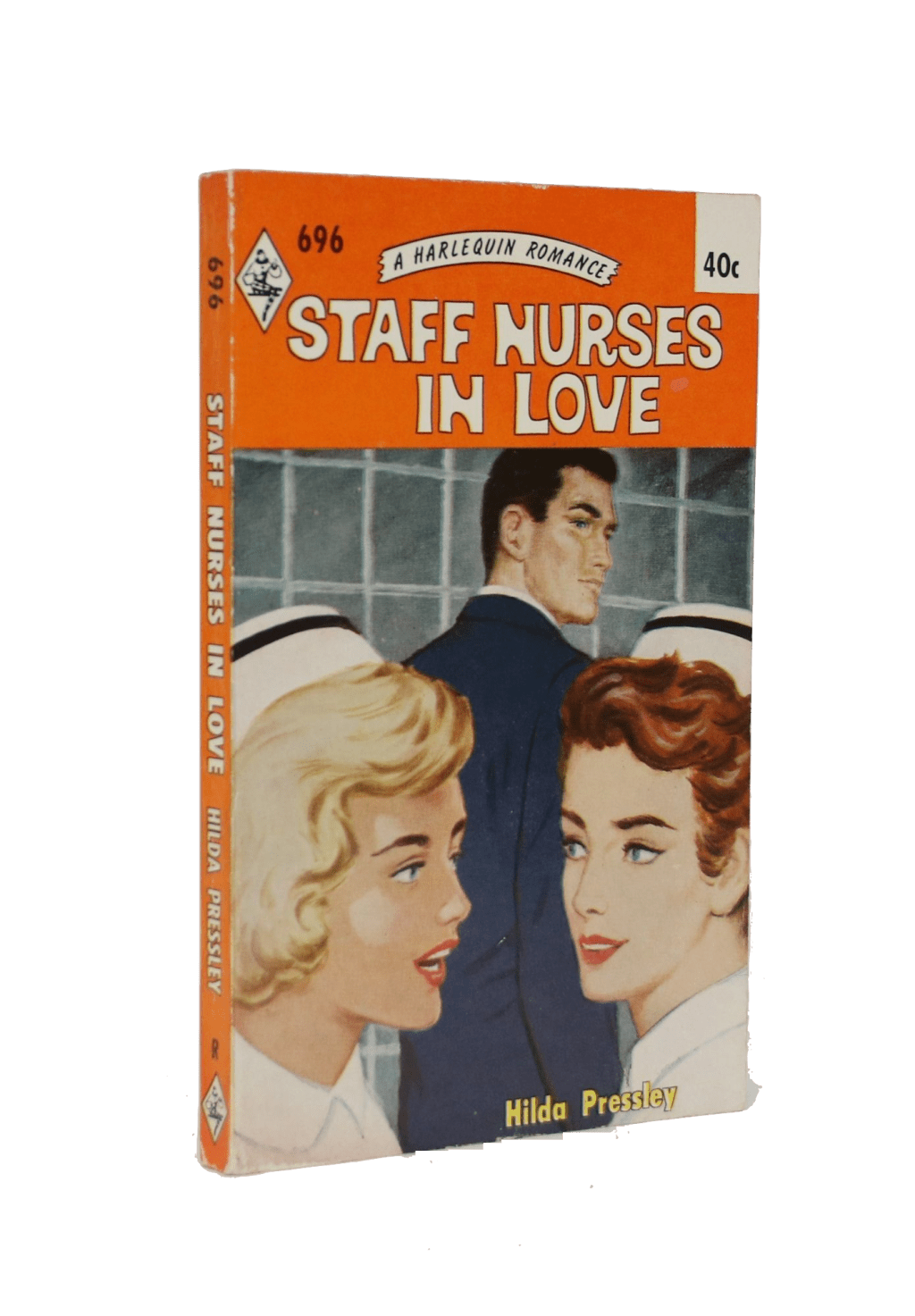
Lauren Hood explores how romance novels from publishers like Mills & Boon have portrayed women in medicine since 1948.
-
Girdles and Charms: Notes on Women’s Healthcare and Christian and Jewish Practices Surrounding Birth During the Medieval Period
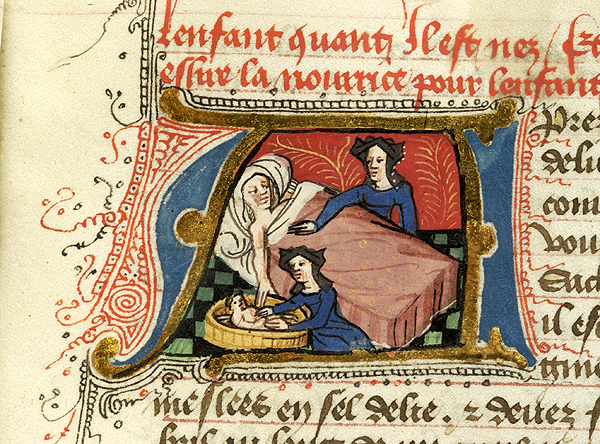
The article examines medieval birth practices, highlighting the roles of women and midwives in Christianity and Judaism. Helene Chaligne discusses the significance of birth girdles, charms, and relevant contemporary literature while querying historical perspectives on women’s healthcare involvement.
-
Murder, Resurrection and Dissection: The Dark History of Edinburgh’s Medical Past
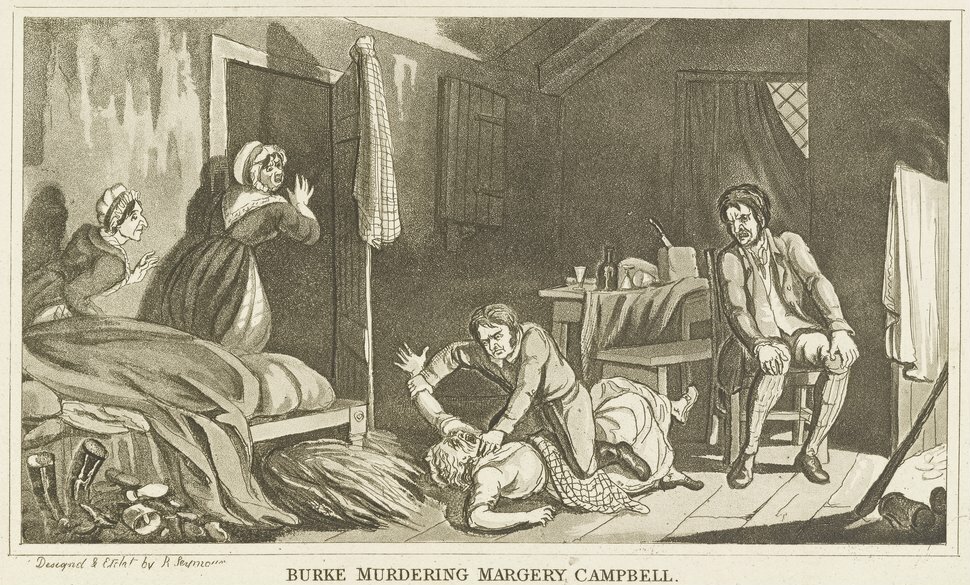
In 1827 Edinburgh, Burke and Hare murdered lodgers to sell corpses to Dr. Knox, leading to Burke’s execution and posthumous dissection for anatomy. Abbie Teal recounts this gruesome episode of Edinburgh’s history.
-
Medicine as Autonomy: An Analysis of Enslaved Africans in Seventeenth Century Barbados and Jamaica
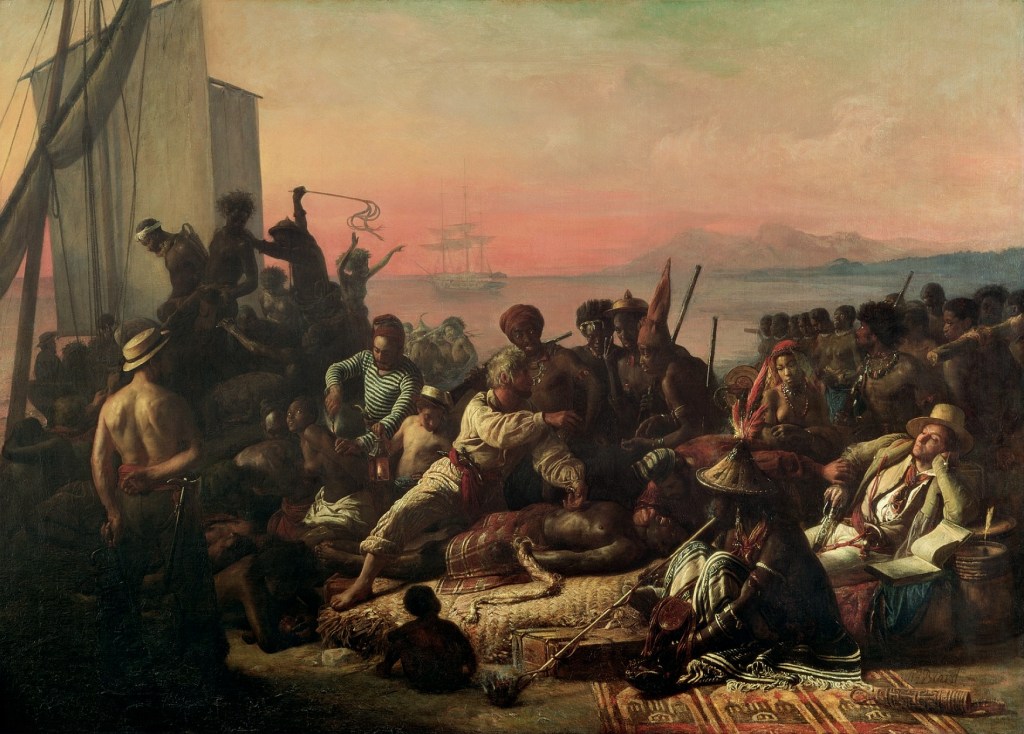
Between the years 1440 and 1720, two million enslaved Africans were forcefully shipped to the Americas. During this time the practice of medicine played a critical role in the survival and wellbeing of these slaves, but most importantly, provided them with agency. Nadja Dixon examines this medical expertise.
-
“We foreigners don’t smoke opium”: Exposing Western Opium Consumption, 1840-1930

The narcotic opium is the subject of an explicitly racialised history. Kat Jivkova traces Western opium consumption in an attempt to remedy perceptions of the drug as inherently Chinese.
-
Louis Pasteur, lyssavirus, and the journey to the rabies vaccine

The rabies vaccine has been one of the most important contributions to immunology. Ishaabhya Tripathi discusses the work of Louis Pasteur, the man who made the vaccine and the legacy it has.
 Retrospect Journal