
Tag: literary history
-
The Emperor and His Moonlit Persona: The Evocative Presence of the Moon in Li Yü’s Ci Poetry
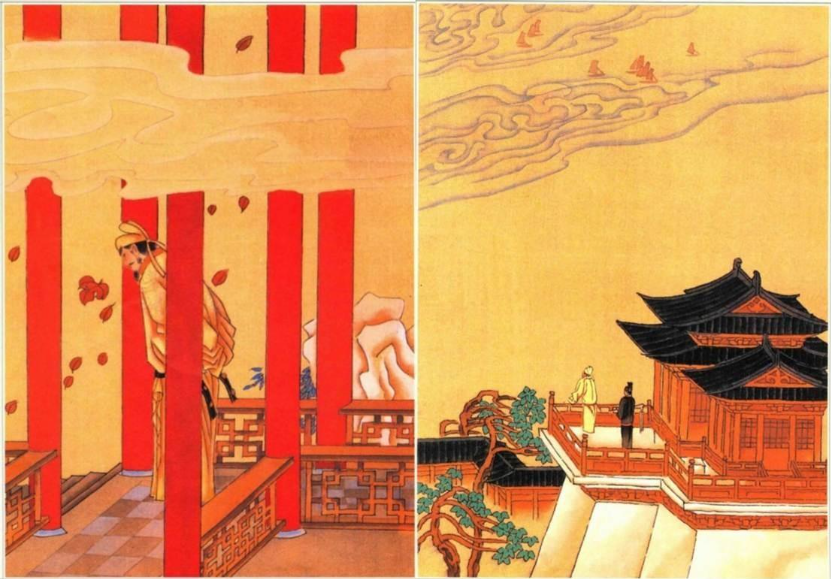
The poem “A Joyful Rendezvous” by Li Yü reflects his emotional turmoil during captivity. Peiqi An analyses its lunar imagery and how it symbolises lost grandeur, personal loss, and the ephemeral nature of his former kingdom.
-
Whitewashing the Moors: How Casting Choices Reveal Our Discomfort With Literary Otherness
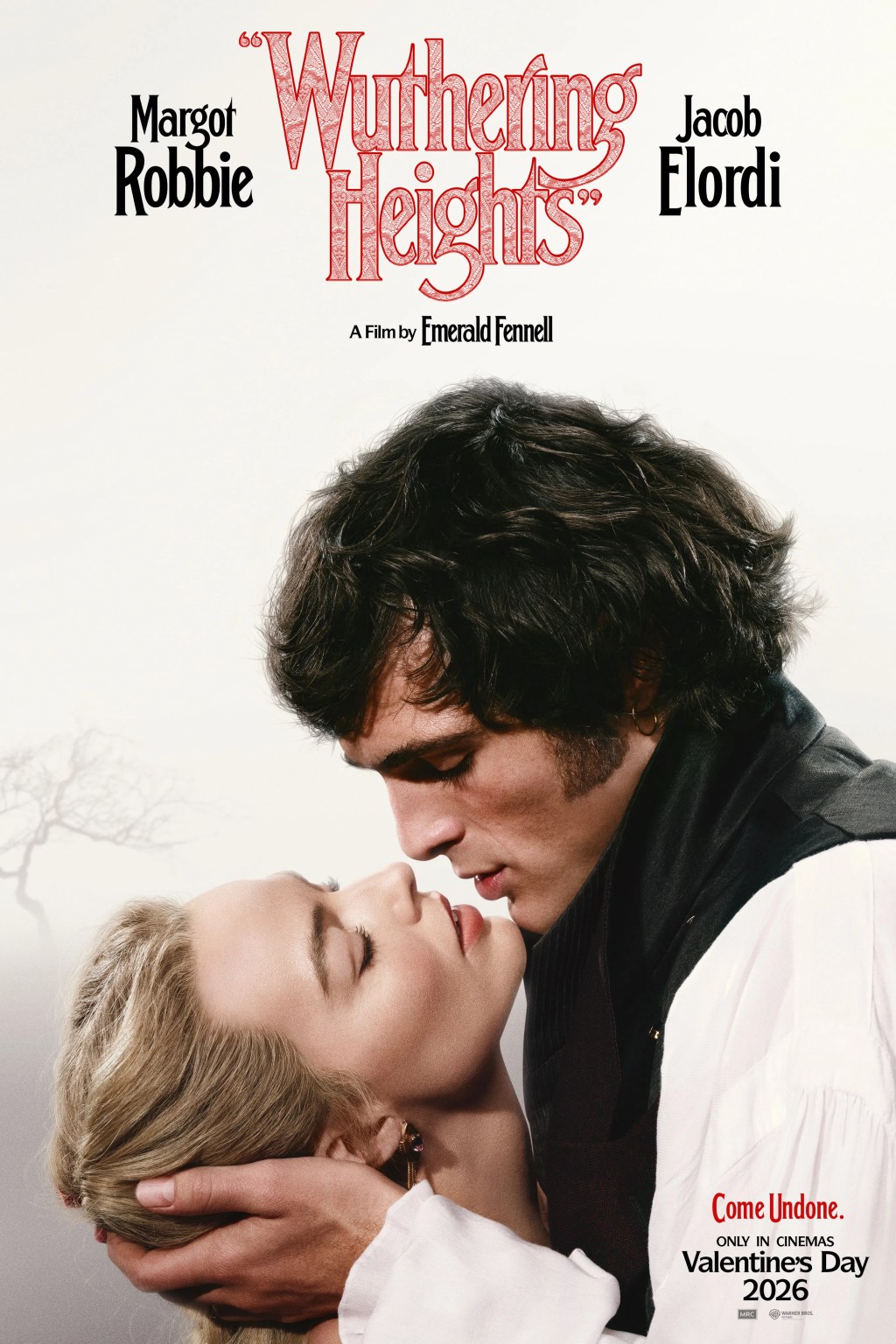
Kayla Greer examines the controversial casting of Jacob Elordi as Heathcliff in Emerald Fennell’s upcoming adaptation of Wuthering Heights, and how this prioritises marketability over Emily Brontë’s original portrayal of the character as racially ambiguous.
-
Nomadic and Nostalgic: How Pre-Islamic Arabian Poetry Reflected and Reinforced the Contemporary Bedouin Lifestyle

Nostalgia is a strong concept that can greatly impact perceptions of past civilizations. Manahil Masood analyses how Pre-Islamic Arabian poetry had lasting impacts on Arabian perceptions of tribal lifestyles.
-
What does it mean to be a woman? Female Ideology, Editorial Strategy and Historical Erasure: Re-examining the Role of the Literary Wife in Nineteenth-Century Russia.
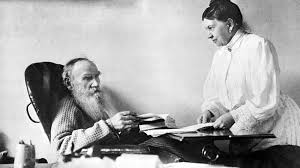
Lavinia Bird examines the significant yet often undervalued contributions of Russian literary wives, specifically Anna Dostoevskaya and Sophia Tolstaya. Her piece highlights their roles in their husbands’ successes and the complex female ideology of literary wifedom.
-
A Colonial Reading of Bram Stoker’s Dracula
Bram Stoker’s novel is widely known as one of the most seminal pieces of vampire literature. Kate Phillips draws our attention to the colonial undertones of the story and how this is configured through the shadowy figure of Dracula himself.
-
Shakespeare: The Original Orchestrator of ‘Fake News’
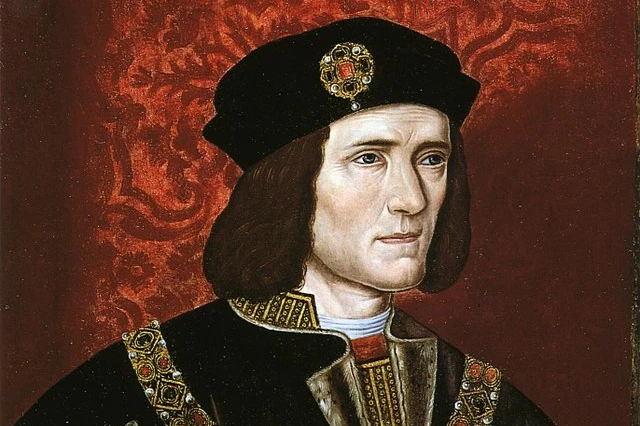
Shakespeare’s characterisation of Richard III has had an enduring impact on the Yorkist king’s legacy. Ella Gibson questions whether this representation is fair or accurate.
 Retrospect Journal