
Tag: History
-
Dominium Maris Baltici: Baltic trade and diplomacy in Sweden’s Great Power Era

In the 17th century, Sweden shifted its foreign policy towards monopolising Baltic trade after colonial failures. George Purdy explains this in detail through strategic alliances and diplomacy with powers like the Dutch and the English, enhancing Sweden’s economic standing and regional influence, setting the stage for its emergence as a significant European power.
-
Zheltoksan: The Forgotten Beginning of the End of the Soviet Union
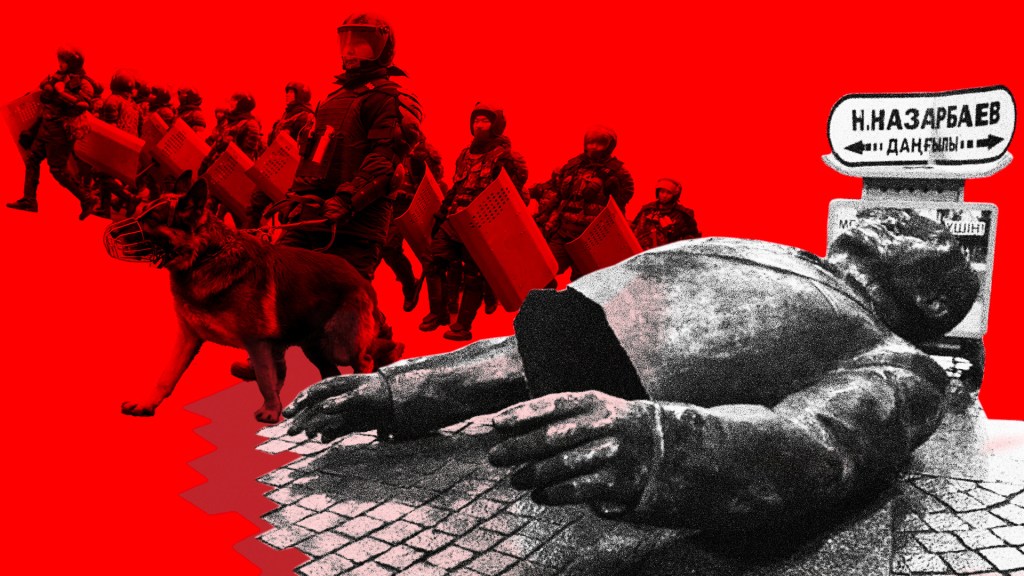
Kirsty Rough explore the Zheltoksan protests and how thier role led to the fall of the Soviet Union
-
Did Sulla’s dictatorship amount to a restoration of the Republic, or its demise?
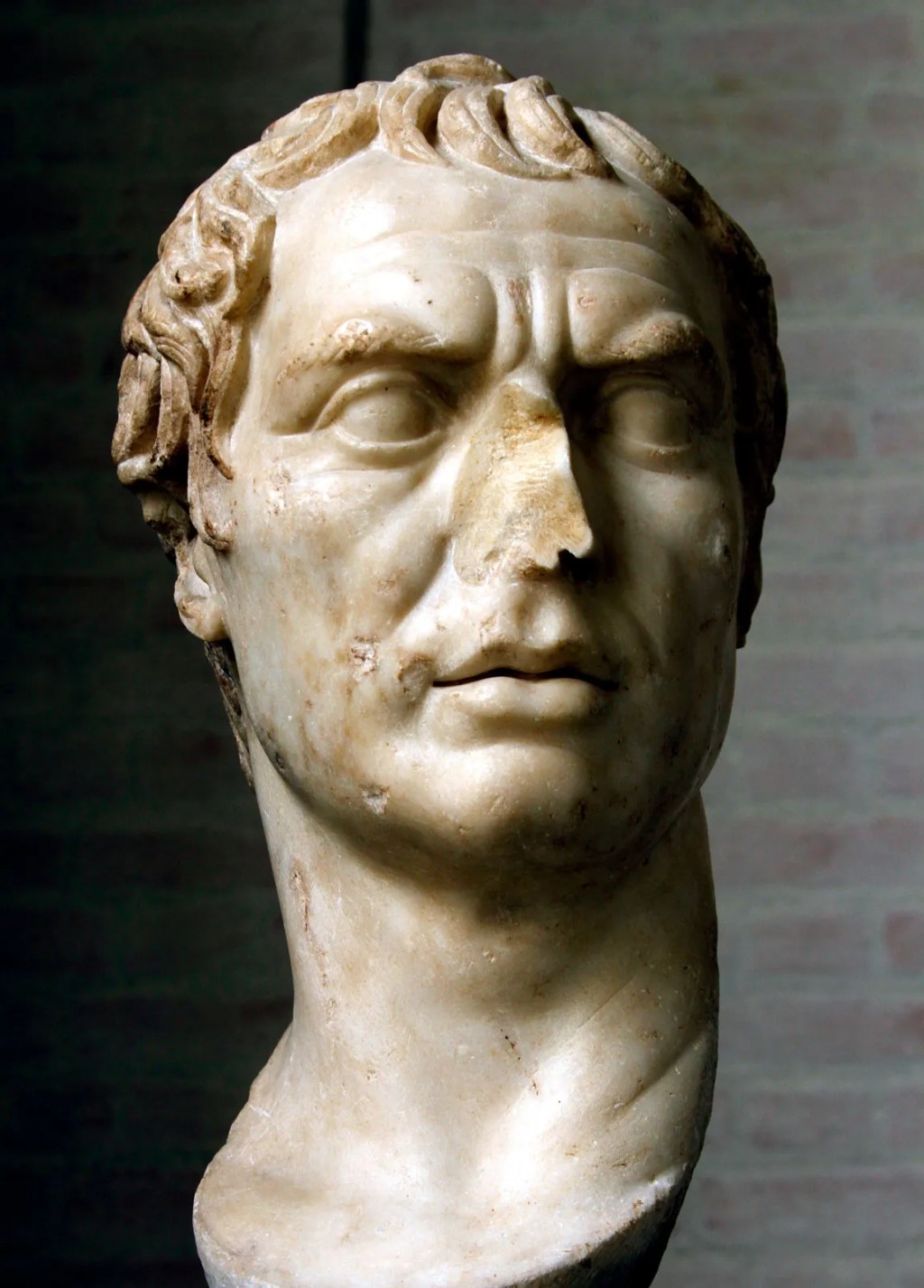
Ben Clarke’s article examines whether Sulla’s dictatorship truly restored the Roman Republic or instead accelerated its downfall.
-
Did a Woman Create Abstract Art? Notes on Hilma Af Klint
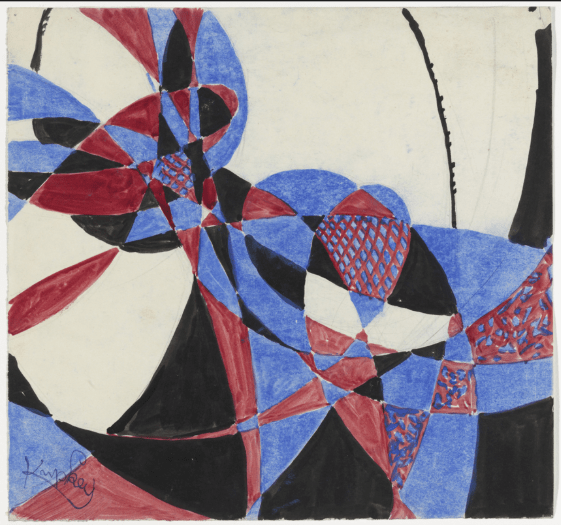
Helene Chaligne discusses the debate over who created the first Western abstract artwork. Although Kandinsky claimed primacy, Hilma af Klint’s influential spiritualist and botanical themes have only recently gained recognition.
-
Why and in what ways did the Roman empire exploit its natural resources?
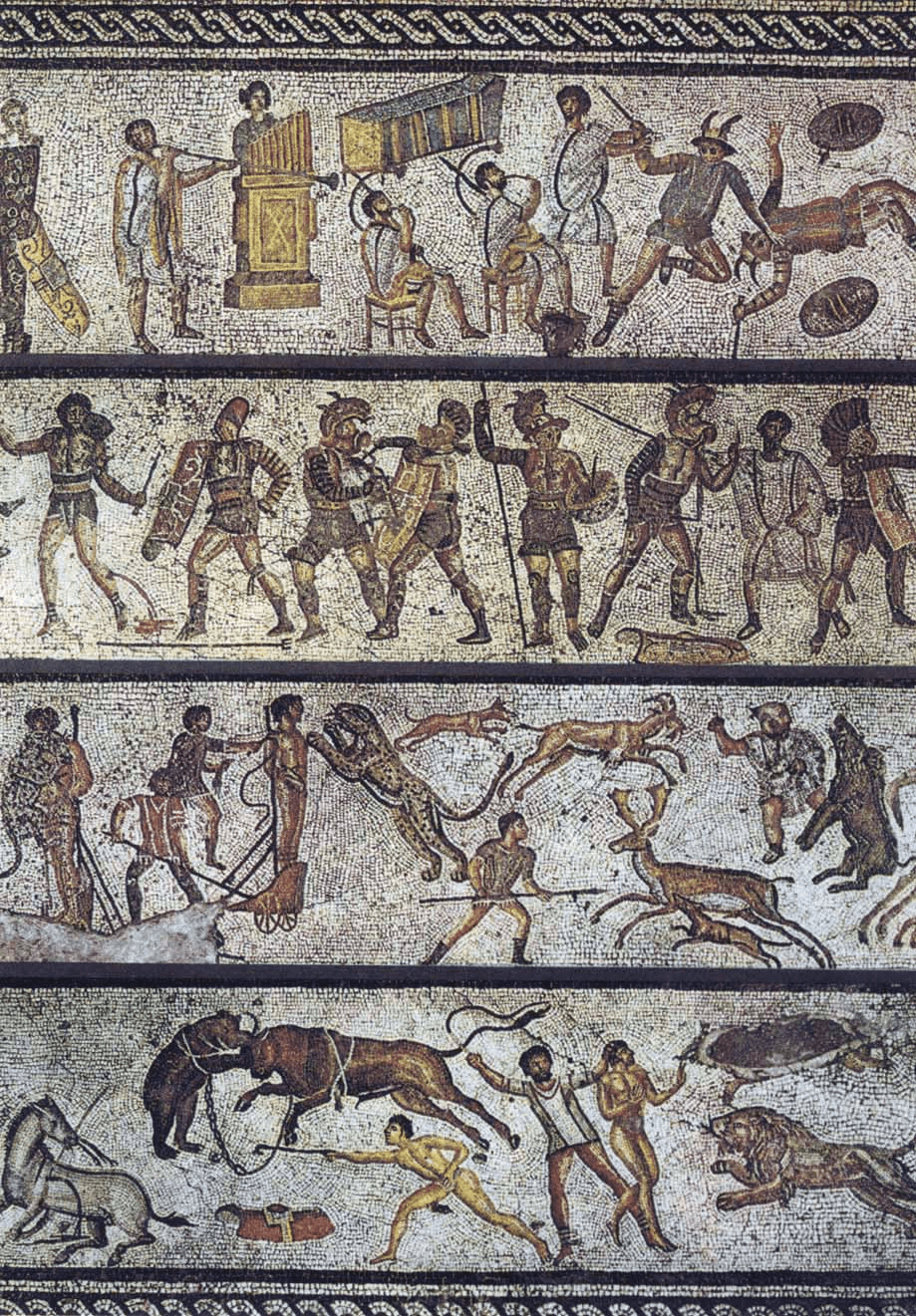
Emily Martin explores how the Roman Empire exploited its natural resources, especially through deforestation and excessive hunting, to support urbanisation and military needs.
-
From Pagan Sage to Islamic Prophet of Science: The Reinterpretation of Hermes Trismegistus
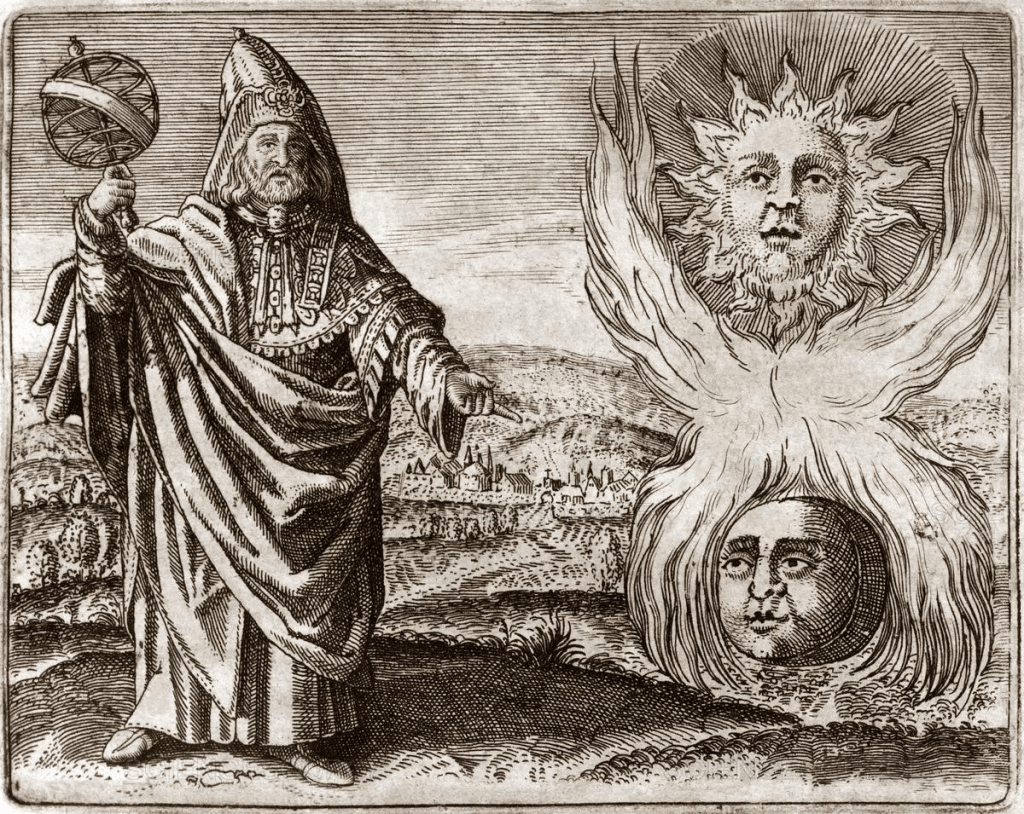
This article by Manahil Masood examines the evolution of Hermes Trismegistus from a Graeco-Egyptian figure to an Islamic prophet of science. It explores his integration into Islamic intellectual traditions, showing how Hellenistic philosophies shaped his reinterpretation. By analyzing this syncretism, the study highlights Hermes’ role as a bridge between pagan and monotheistic beliefs.

 Retrospect Journal