
Tag: History
-
A Brief History of the Quakers

Quakers emerged from 17th century England, promoting equality, peace, and individual spiritual connection. Kate Phillips traces a brief history of the Quaker movement.
-
Robert Bruce Lockhart: A Sidelined Scottish Spy

Robert Bruce Lockhart, a British secret agent, contributed significantly to espionage missions during significant 20th-century conflicts. Darcy Gresham explores the life and exploits of Scottish spy Robert Bruce Lockhart.
-
Hard to Stomach: Discomfort and Dismissal in Histories of Cannibalism
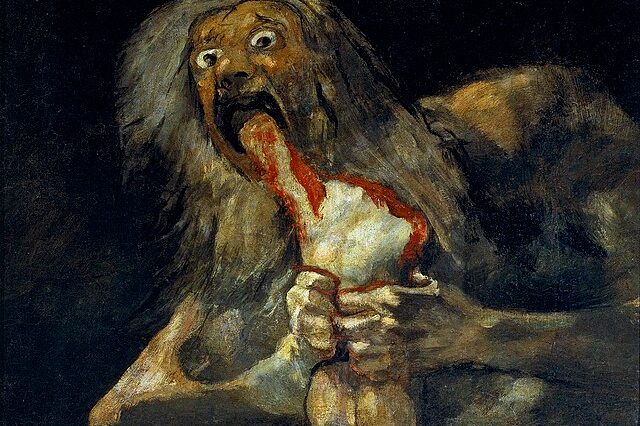
Ailsa Fraser confronts the troubling history of cannibalism, challenging the resistance from historians to touch the taboo subject.
-
Hygeberht of Lichfield: Was He the Tool of the Mercian Kings?
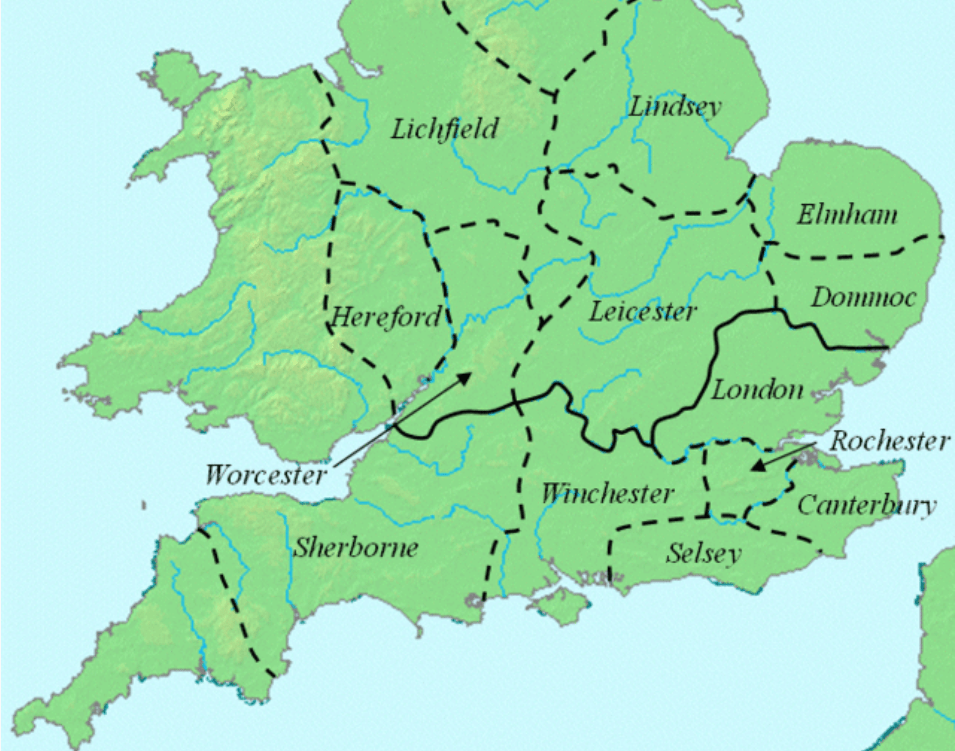
Archbishops are central figures within the history of the Church. Harry Child uncovers the lesser known history of the Archbishopric of Lichfield during the reign of the Mercian Kings.
-
Innovative Blasphemy: A Brief Investigation into Quebec’s Extensive and Unique Use of Language and Profanity
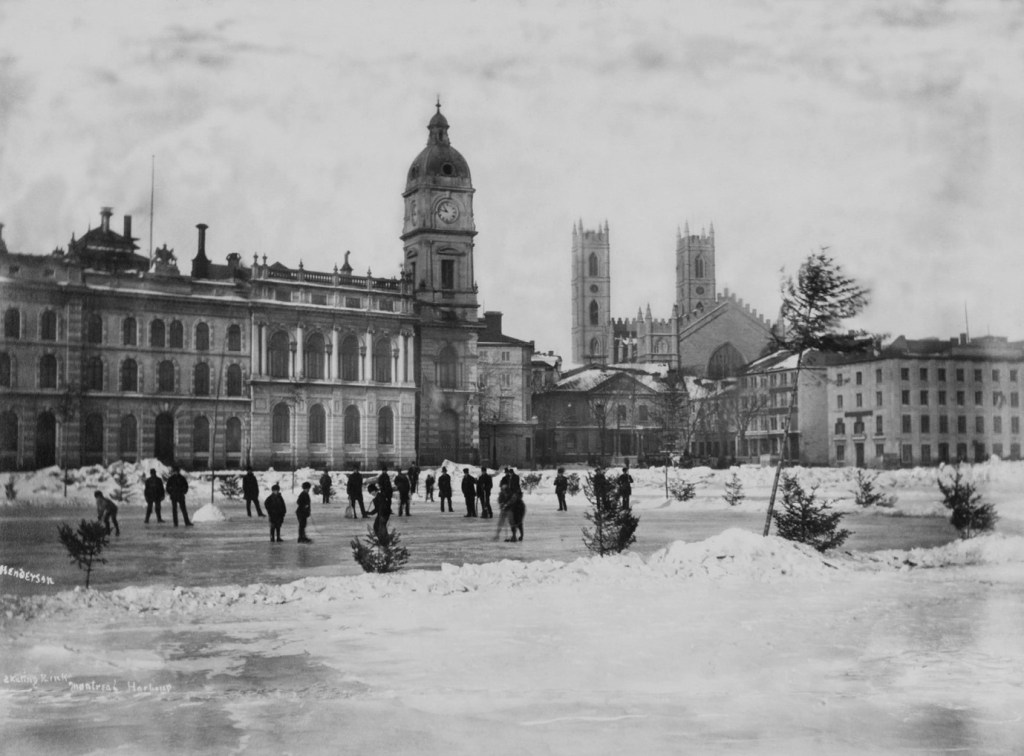
Language in Quebec reflects its complex history with French-English dynamics, religious influence, and ongoing cultural evolution through unique expressions. Helene Chaligne examines this important facet of the region’s history.
-
The Art of Appearance: Thomas Jeamson’s Artificiall Embellishments and Female Identity
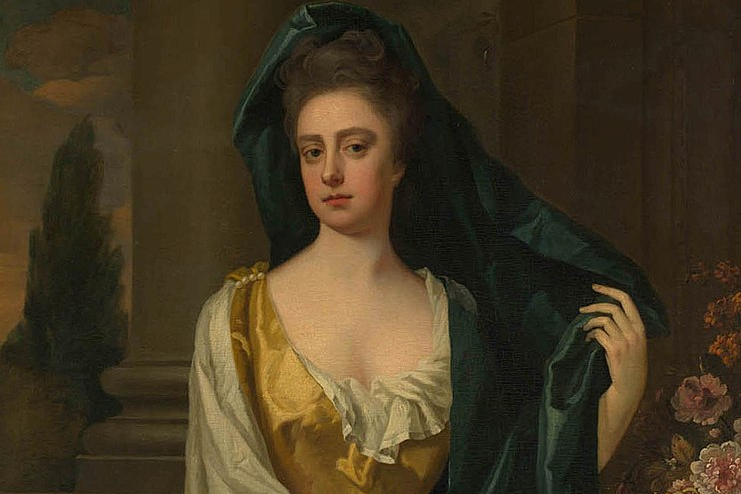
Maia Bennet explores how early modern women engaged with and participated in the culture of beauty through Thomas Jeamson’s Artificiall Embellishments.
-
Wake Up, It’s Time for Change: The Role of Coffeehouses in Revolutions

Eva Beere explores how coffeehouses facilitated revolutionary ideas and became spaces for challenging political norms throughout history and across cultures.
-
Sowing the Seeds of Reconciliation: How Prisoners of the Second World War integrated into Rural Communities in Britain

Olivia Hiskett explores the integration of German and Italian prisoners of war (POWs) into rural British communities from 1942 to 1948.
 Retrospect Journal