
Tag: History
-
The Price of Peace: Tacitus’ Outlook Upon One-Man Rule

Ben Clarke writes that Tacitus, born under Nero, offers a sharp critique of one-man rule in Rome. Drawing on his senatorial background, he reveals how the principate eroded libertas, portraying imperial rule as a trade-off between stability and freedom, and condemning both tyranny and senatorial submission.
-
Machivalli’s Nightmare: Saint-Exupéry and the Philosophy of le Petit Prince

Alexander Stroem explores The Little Prince, by Antoine de Saint-Exupéry, transcending the children’s book label, and exploring the profound humanist themes such as love and friendship amid a backdrop of World War II. Saint-Exupéry’s work serves as a critique of adult behaviour and a plea for compassion, instilling essential values in both children and adults…
-
The Aral Sea was a Lake: Or, How to Destroy an Ecosystem

Darcie Rogers explores The Aral Sea, once the fourth largest lake globally, has drastically diminished due to extensive irrigation and cotton monoculture initiated by the Soviet Union, leading to economic hardship and ecological disaster. Today, the region faces severe environmental challenges, including saltstorms and public health issues, stemming from decades of mismanagement and exploitation.
-
Haunted by History: War and Rome in the work of Robert Graves

Robert Palmer explores how Graves’s experiences as a First World War poet and his later reimagining of Imperial Rome in I, Claudius and Claudius the God reveal the theme of surviving chaos.
-
Terracotta Warriors: The Conservation of the ‘World’s Eighth Wonder’

Emma Donaldson explores the history of the Terracotta and how they being preserved for the future.
-
The Painted Question, The Iconoclast Answer
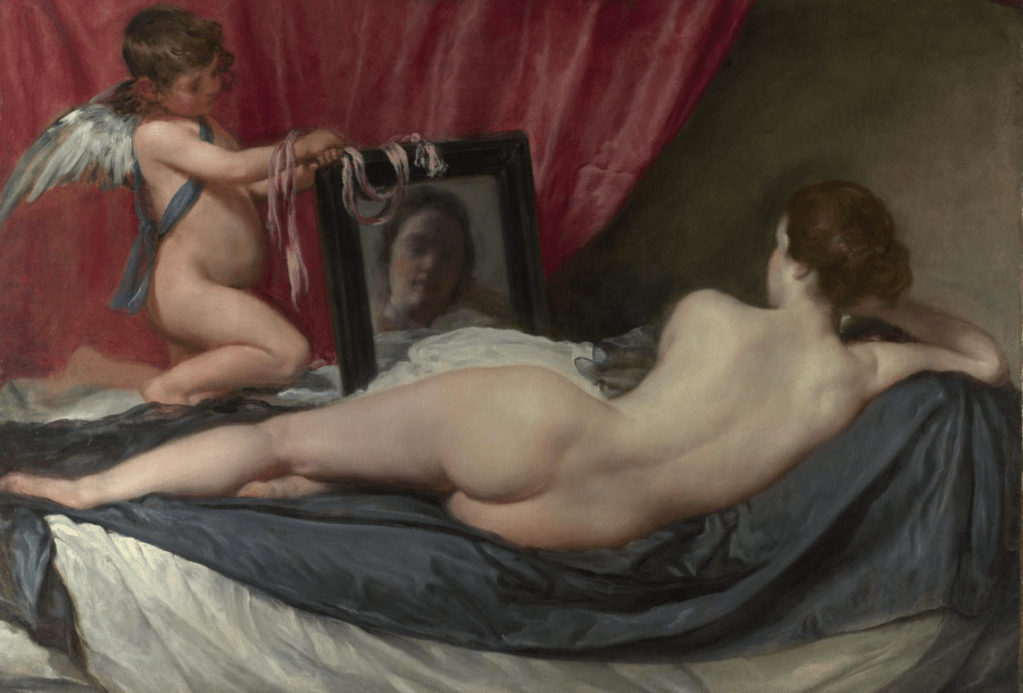
Abby Hughes explores the history and slashing of Diego Velázquez’s Rokeby Venus.
-
The Belgian Revolution 1830-1831: A Triumph of Romantic Nationalist Ideals
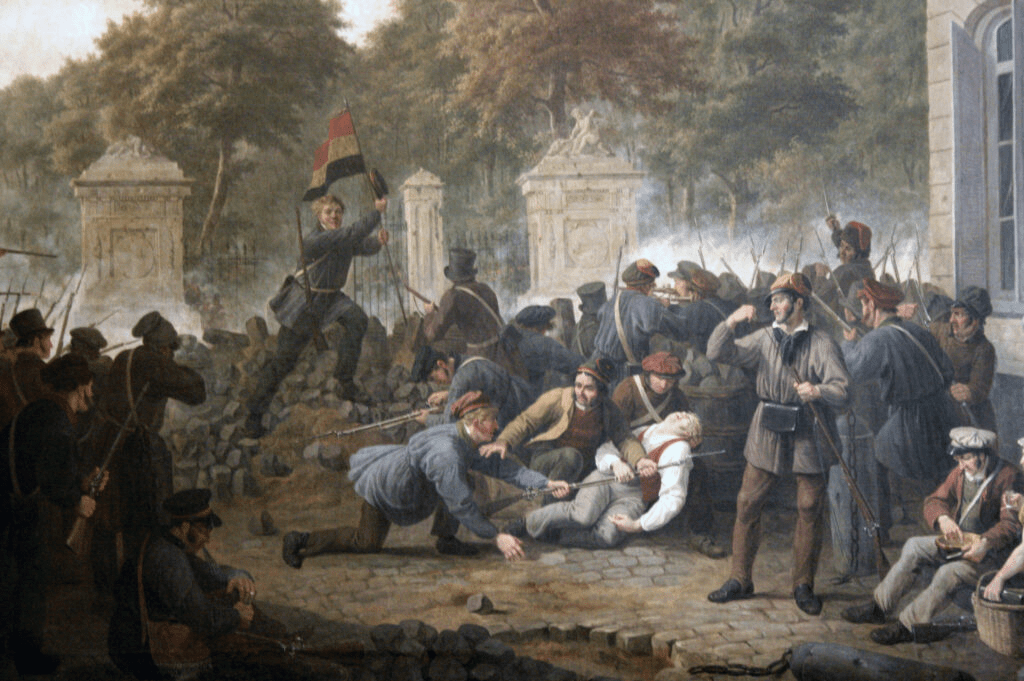
Seanryan Lai explores how nationalist sentiments, fuelled by Romanticism, united various social classes in a struggle for independence, leading to Belgium’s recognition as a sovereign nation in 1839.
-
‘England is Mine, It Owes Me a Living’: How Thatcherism Forged Manchester’s Musical Renaissance

Elizabeth Hill uncovers how Thatcher’s policies profoundly affected Manchester’s music scene, leading to the emergence of influential bands like Joy Division, The Smiths, and The Stone Roses. Their music expressed disillusionment with Thatcherism, creating a cultural identity for the North West and challenging London-centric narratives, while resonating with a generation facing socio-economic turmoil.

