
Tag: history of the middle east
-
The Impact of the 1979 Revolution on Iranian Women: Gains, Losses, and Contradictions

The Iranian Revolution of 1979, led by Ruhollah Musavi Khomeini, drastically altered women’s rights, particularly the rights of middle- and upper-class women. Yael Frankie discusses the previous regime, the Shah’s regime, in comparison with Khomeini’s policies which severely restricted women’s economic and personal autonomy.
-
The role of Khomeini in the 1979 Iranian Revolution

The 1979 Iranian Revolution resulted in the toppling of the Pahlavi dynasty and the creation of the Islamic Republic. Olivia Norbury acknowledges Khomeini’s role in unifying the Iranian people and cementing the ideology of political Islam. However, Norbury also seeks to explore other reasons for revolution, such as Shari’ati’s ideology and secular beliefs.
-
Rethinking the Nahda: Decentring Europe in the Arab Renaissance
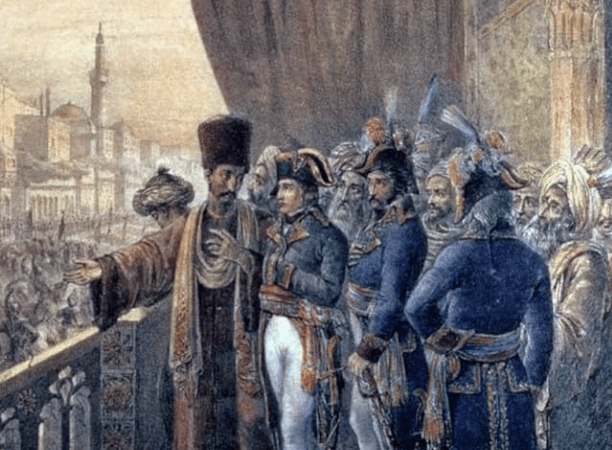
The Nahda, also known as the Arab Renaissance, was a set of reforms surrounding education, traditional thought and culture. Olivia Norbury explores the differing perspectives of historians on the Arab Renaissance, with many viewing it as a complicated and nuanced process of modernisation.
-
Through a Colonial Lens: Photography and the ‘Orient’
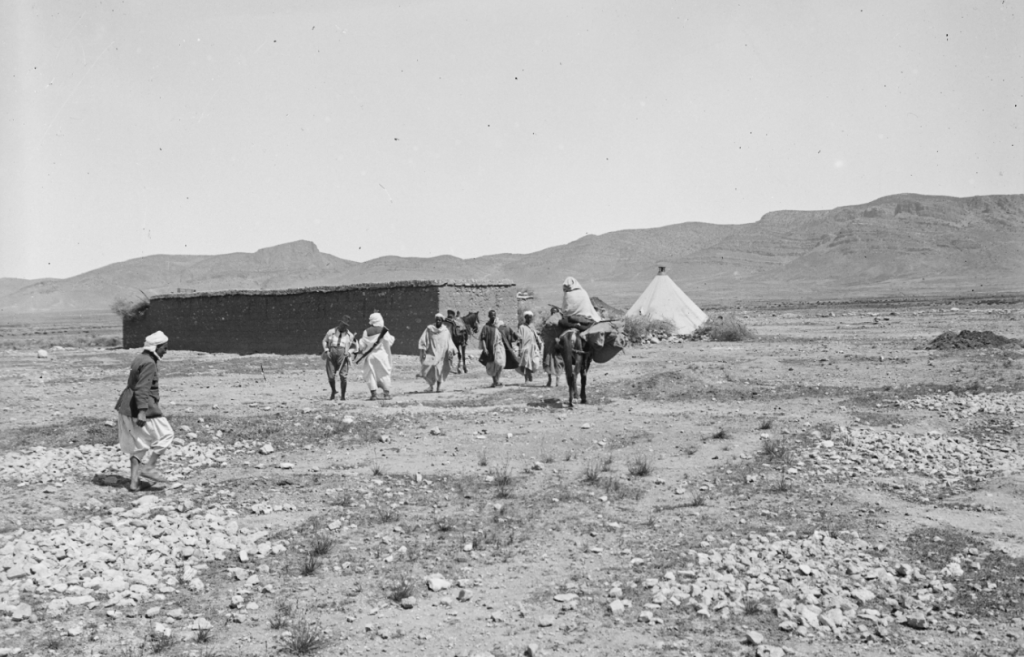
The invention of the first commercial camera triggered a widespread interest in capturing the landscape and people of the so-called ‘Orient’. Yael Frankie explores the multifaceted nature of photography, both acting as a means to perpetuate harmful stereotypes of the ‘Orient’ as backwards, but also allowing for counter narratives and photographs from non-westerners.
 Retrospect Journal