
Tag: German History
-
Brewing Cooperation: How Coffee Shaped the GDR’s Foreign Policy
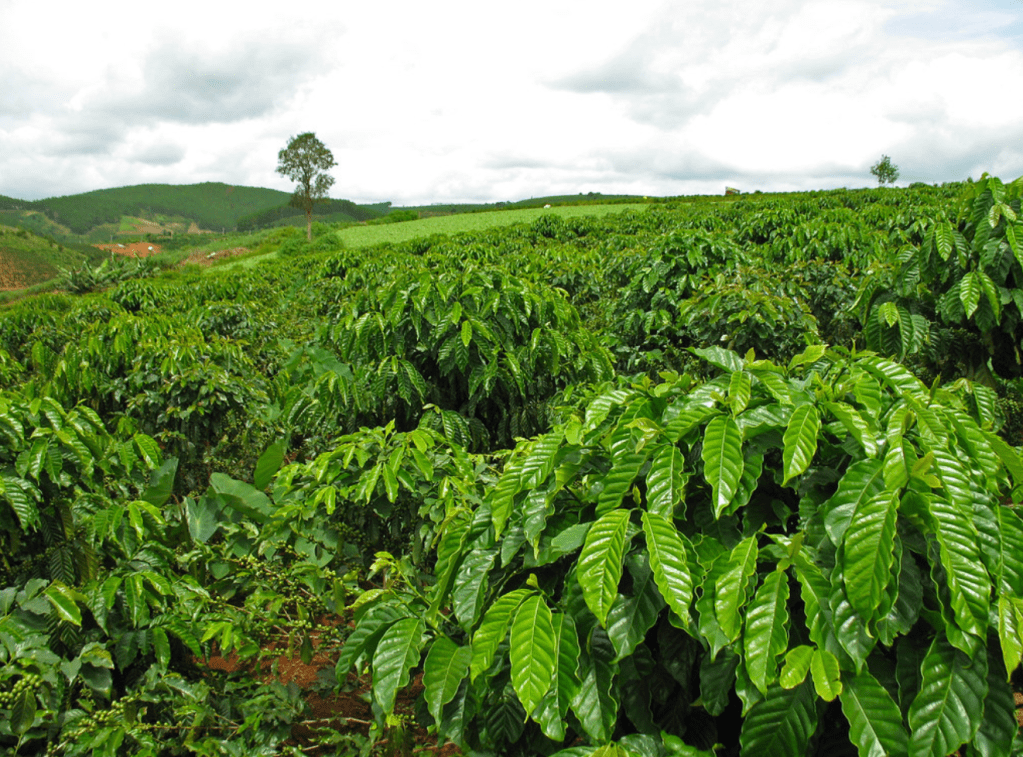
By the 1970s, coffee was an integral part of the economy for the GDR. However, the Coffee Crisis of 1977 forced the GDR to reconsider their relations with other nations, namely Ethiopia and Vietnam. Connie Greatrix explores these new found trade partnerships and their implications.
-
The Ascent of Marxist Proselytism
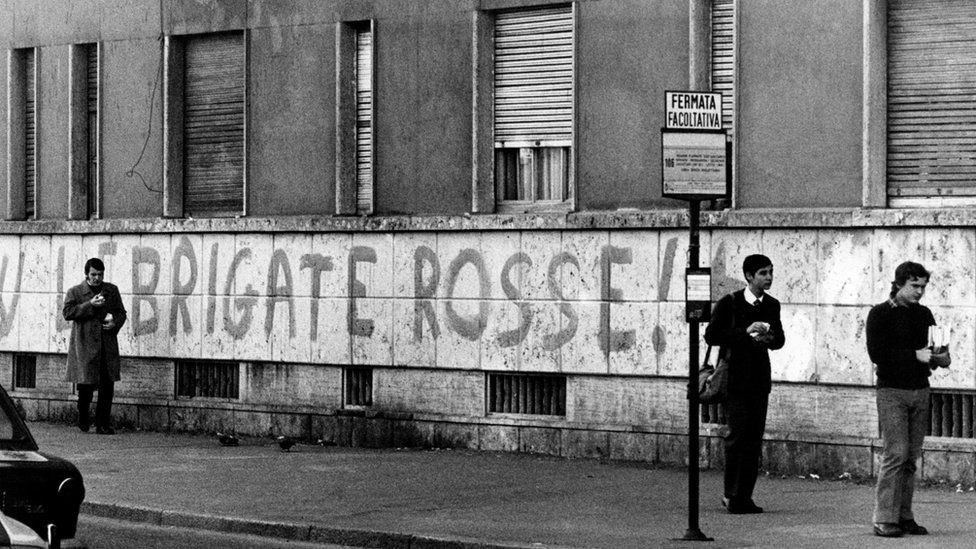
Western Europe was radically altered by the events, and political ideologies, of the Second World War. Emilio Luppino traces the emergence of Marxist political groups in post-war German and Italian politics.
-
Das Cabinet des Dr Caligari: On the Origins of German Expressionist Cinema

Released in 1920, Robert Wiene’s “Das Cabinet des Dr Caligari” is widely considered to be a landmark example of German Expressionist cinema. Meenakshi Nirmalan digs deeper into its production and cultural significance during a politically turbulent time in German history.
-
New Woman, New World: Exploring the vision of femininity in Weimar Republic.
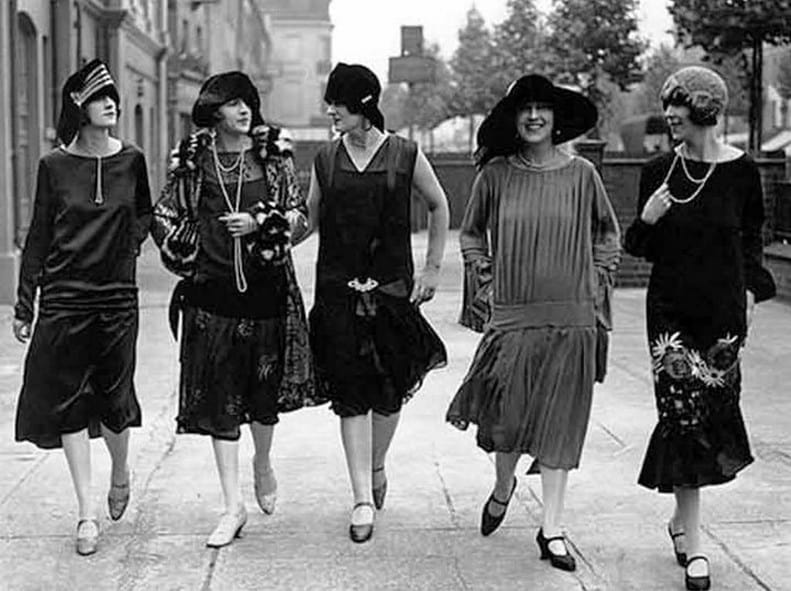
Written by Helena Gorecka. The Weimar Republic created a whole set of new opportunities for women, who had emerged from the Great War as hopeful for their role in the future. But how did women’s fashion play into this? And how can we understand these women as feminists?
-
Gender Nonconforming Lives in Interwar Germany

Written by Connor Wimblett. Throughout the interwar period, transgender people in Germany were able to express their gender identities in new ways. The Institut für Sexualwissenschaft in Berlin was a key space and leader in queer research and healthcare.
 Retrospect Journal