
Tag: European History
-
The Rise and Fall of ETA: The Spanish Terrorist Groups’ Bloodiest Years

Written by Sally Dolphin. The Basque separatist group Euskadi Ta Askatasuna (ETA), over it’s 50 year operation period, caused huge amounts of bloodshed in the Basque region of northern Spain. Sally Dolphin explores this violent episode in Spanish political history.
-
The Dancing Plague of 1518: The Worst Dance Party Ever?

Written by Eva Campbell. The Dancing Plague of 1518 is often regarded as one of the most bizarre events in social and cultural history. But are we any further towards understanding why this happened to the people of Strasbourg?
-
The King, the Colony and the Case of Patrice Lumumba

Written by Megan Sickmueller. A haunting legacy of King Leopold II of Belgium in the Congo, Megan Sickmueller tracks the country’s recent history and the fall of Patrice Lumumba.
-
Friend or Foe? The Rome-Berlin Axis from the perspective of necessity and ideology.
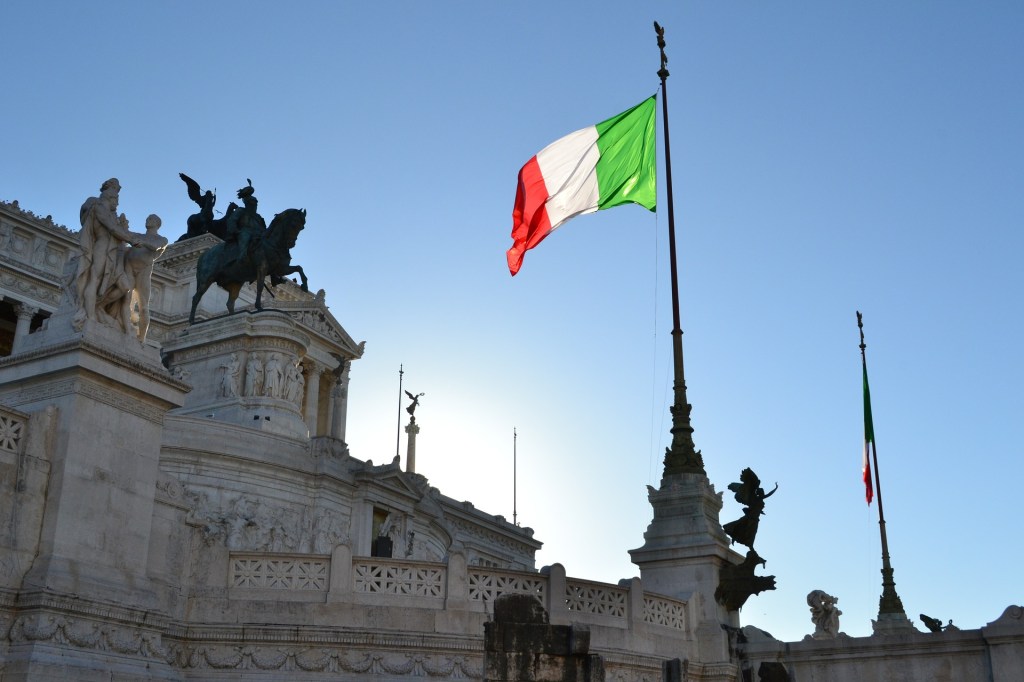
Written By Hela Gorecka. The development of the Rome-Berlin Axis saw many trial and tribulations, but what were the main motivations for its cooperation and to what extent was it an inevitable occurrence?
-
Witches by Weather: The Impact of Climate in Early Modern Witch Trials
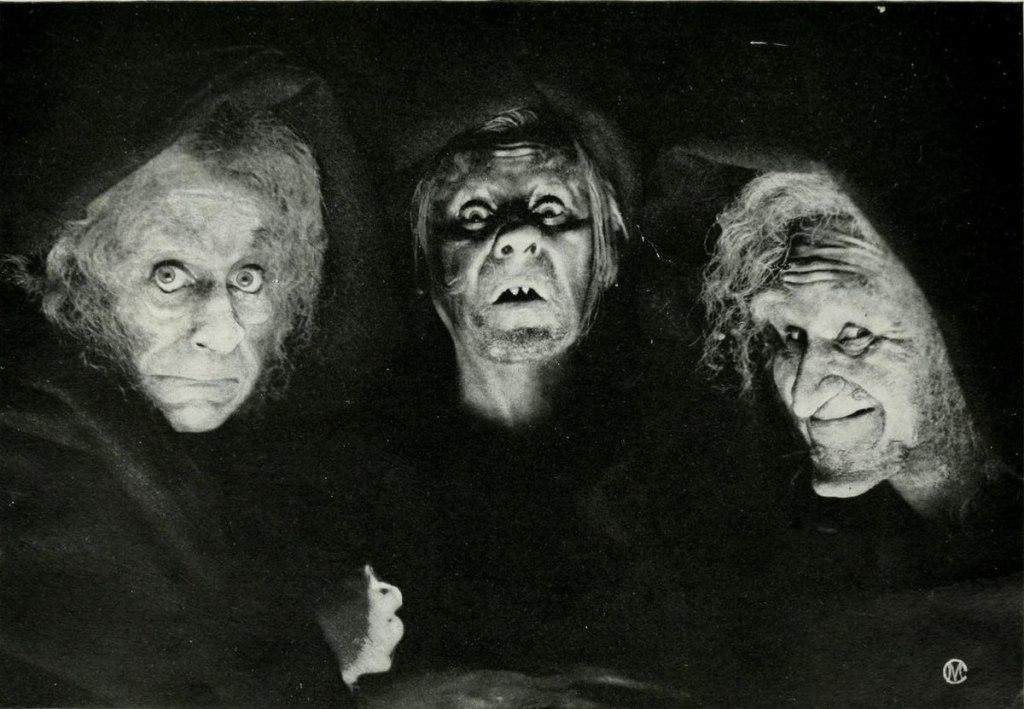
Written by Melissa Kane. Dramatic changes in climate have for a long time demanded an explanation. Melissa Kane explores how the European Witch Trials became tied to the storms and cold of the ‘Little Ice Age’, as yet more proof of malicious deviancy.
-
Historical time and the Enlightenment Re-imaginings of Moses and Solomon

Written by Inge Erdal. The nature of historical time has always been contested. Through the Enlightenment and nineteenth century, as European empires spread across the globe, writers slid between the boundaries of fiction and history, trying to unpack stories from the Bible.
-
The European Union and its Totalitarian Nightmare

Written by Inge Erdal. The concept of totalitarianism has a long and twisted history through Europe’s twentieth century. It has been latched upon from all political angles, but does it really have any analytical use?
 Retrospect Journal