
Tag: Cold War
-
Transforming Byt? The Zhenotdel, Collectivisation, and Women’s Daily Life in the Soviet Union
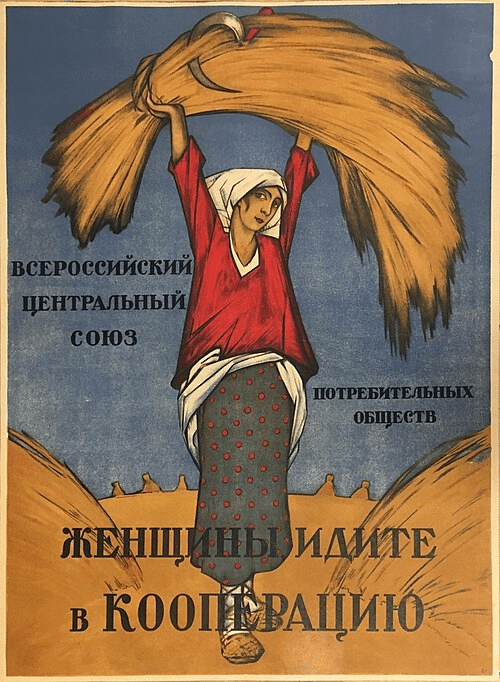
Edie Christian explores The Zhenotdel, established in 1919 as the women’s division of the Bolshevik Party, which aimed to promote gender equality in the Soviet Union.
-
A Short History of the U.S. ‘s ‘Secret War’ in Laos
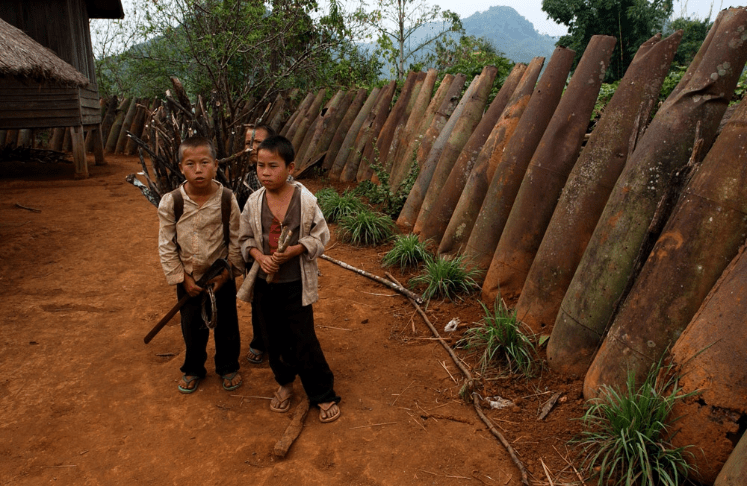
Roya Kenny outlines a period of significant military activity in Laos and its devastating long-term effects. The text focuses on the extent of the aerial operations, the resulting humanitarian crisis, and the ongoing difficulties the nation faces in recovering from this historical event and its persistent physical remnants.
-
National Communism and Personal Power: Ceauşescu’s Dictatorship and Romania’s Eastern Bloc Exception, 1965-1989
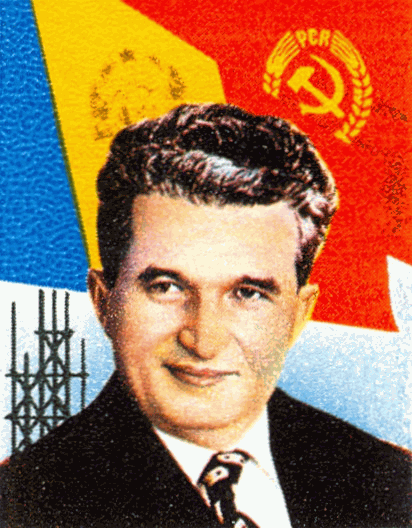
Seanryan Lai discusses the regime of Nicolae Ceauşescu (1965–1989) one of Eastern Europe’s most eccentric dictators. Unique among Eastern Bloc states, Romania pursued independent policies away from Soviet control. This created “national communism,” fusing Marxist-Leninism with Romanian nationalism and a strong cult of personality
-
Playing for Influence: The Role of Jazz Diplomacy During the Cold War

Edie Christian discusses the role Jazz Ambassador tours played during the Cold War in illustrating how U.S. foreign policy exploited Black musicians as tools for propaganda and cultural diplomacy, while promoting an image of racial harmony abroad.
-
The role of Khomeini in the 1979 Iranian Revolution

The 1979 Iranian Revolution resulted in the toppling of the Pahlavi dynasty and the creation of the Islamic Republic. Olivia Norbury acknowledges Khomeini’s role in unifying the Iranian people and cementing the ideology of political Islam. However, Norbury also seeks to explore other reasons for revolution, such as Shari’ati’s ideology and secular beliefs.
-
The Failure of Intervention in the Bosnian War
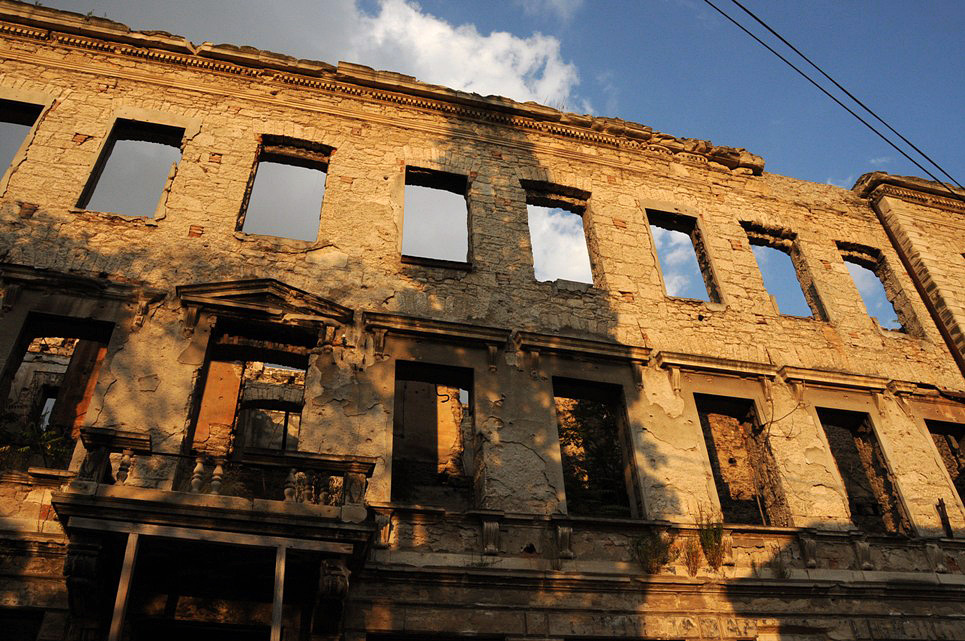
The Bosnian War (1992-1995) resulted from Yugoslavia’s collapse and the wider collapse of Communism in Eastern Europe. Louisa Steijger demonstrates how intervention in the conflict from the rest of world was delayed and ineffective.
-
Brewing Cooperation: How Coffee Shaped the GDR’s Foreign Policy

By the 1970s, coffee was an integral part of the economy for the GDR. However, the Coffee Crisis of 1977 forced the GDR to reconsider their relations with other nations, namely Ethiopia and Vietnam. Connie Greatrix explores these new found trade partnerships and their implications.
-
The Freedom of the North: The Rebirth of Nordism in Post-War Sweden
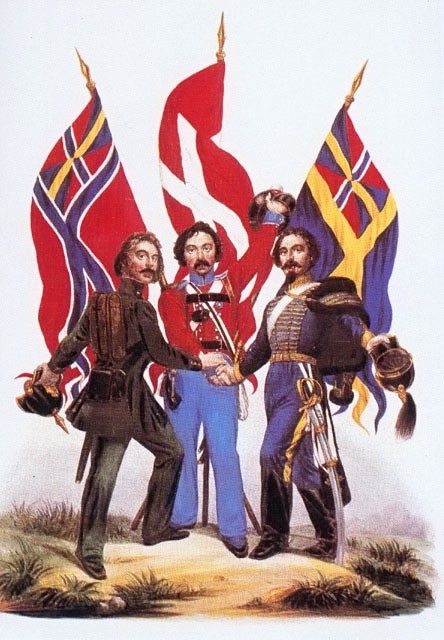
The idea of a pan-Scandinavian identity has existed from the medieval period to the modern day, but has never solidified under one institution. George Purdy explores the long history of Pan-Scandinavianism from Sweden and how it relates to mutual defense and security.
 Retrospect Journal