
Tag: Chinese History
-
The Emperor and His Moonlit Persona: The Evocative Presence of the Moon in Li Yü’s Ci Poetry
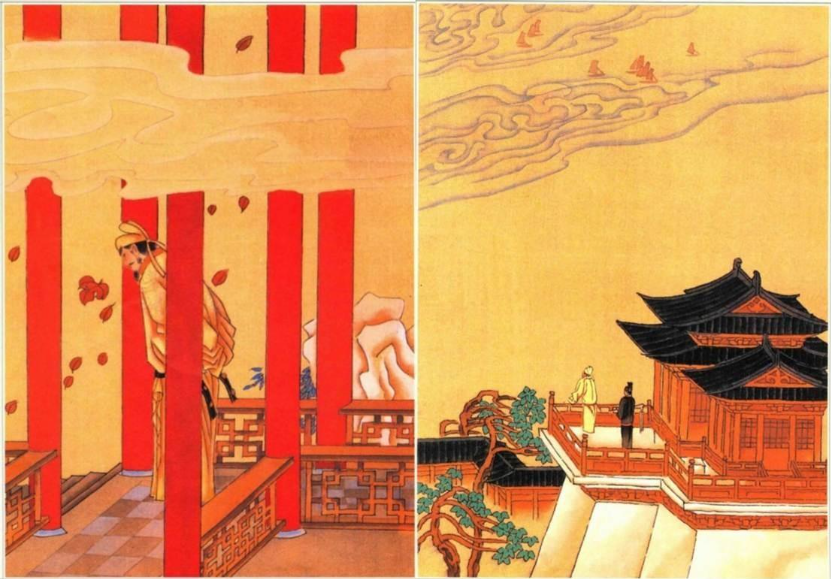
The poem “A Joyful Rendezvous” by Li Yü reflects his emotional turmoil during captivity. Peiqi An analyses its lunar imagery and how it symbolises lost grandeur, personal loss, and the ephemeral nature of his former kingdom.
-
“This Brittle Ware”: Identity Politics, Culture and China in Eighteenth-Century England
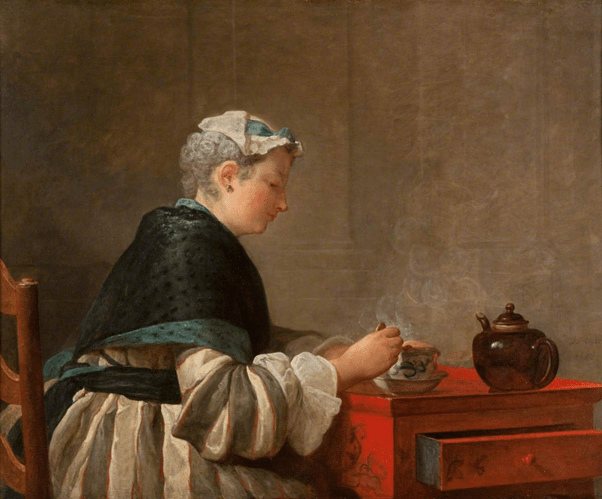
The eighteenth-century relationship between porcelain and gender revealed complex dynamics. Elizabeth Hill analyses how china represented femininity’s fragility, yet also showcased women’s growing influence in culture and commerce.
-
Corporeal Metaphor and the Imagery of Bulls in Shi Tiesheng’s Roses in Summer and My Faraway Qingping Bay
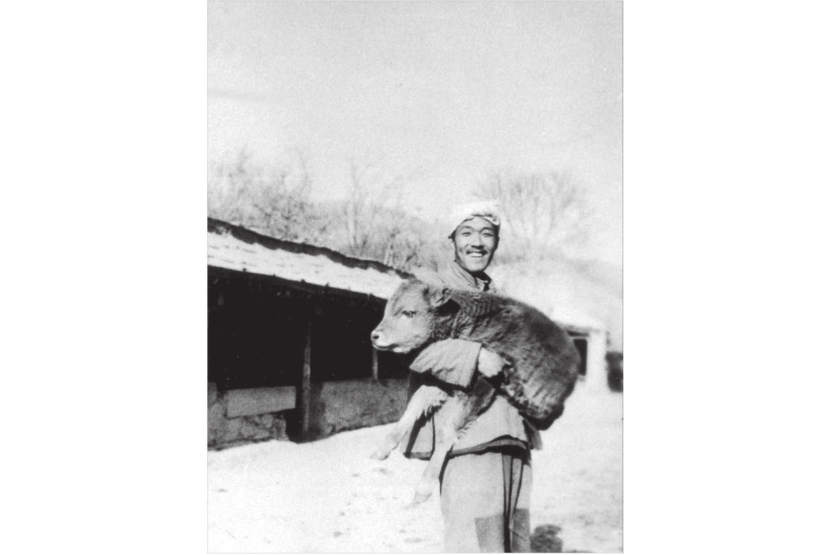
Shi Tiesheng’s works vividly depict the struggles of disabled individuals within a discriminatory society. Peiqi Ann considers imagery of powerful bulls to explore themes of loss, identity, and societal worth associated with corporeal integrity.
-
Book Review: A Brief History of The Dynasties of China by Bamber Gascoigne
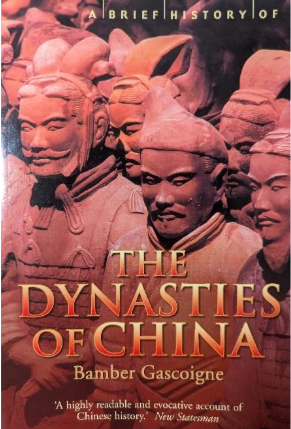
Bamber Gascoigne’s “A Brief History of The Dynasties of China” offers an engaging, concise introduction to Chinese history, covering key themes from ancient times to 1912. Harry Child brings closer attention to this text in his review.
-
Mao’s “Revolutionary” State or the Continuation of Imperial Rule? A Look at the Founding of the Xinjiang Production and Construction Corps

Roya investigates the Xinjiang Production and Construction Corps, established in 1954, which aimed to consolidate control over Xinjiang through civil-military integration.
-
‘Century of Humiliation’: The Opium Wars and the legacy of British imperialism in China
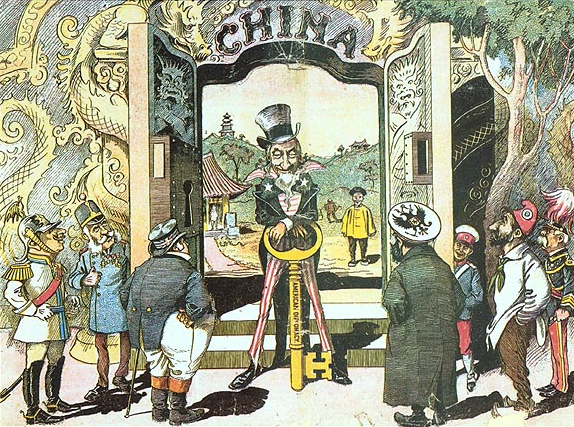
Edie Christian explores the historical impact of the Opium Wars and the role of the East India Company in shaping China’s vulnerabilities and attitudes towards the West. The legacy of British imperialism continues to influence China’s foreign relations, reflecting deep-rooted distrust towards colonial powers today.
-
The Timeless Palette: How Colours Shape the Essence of Chinese Temples
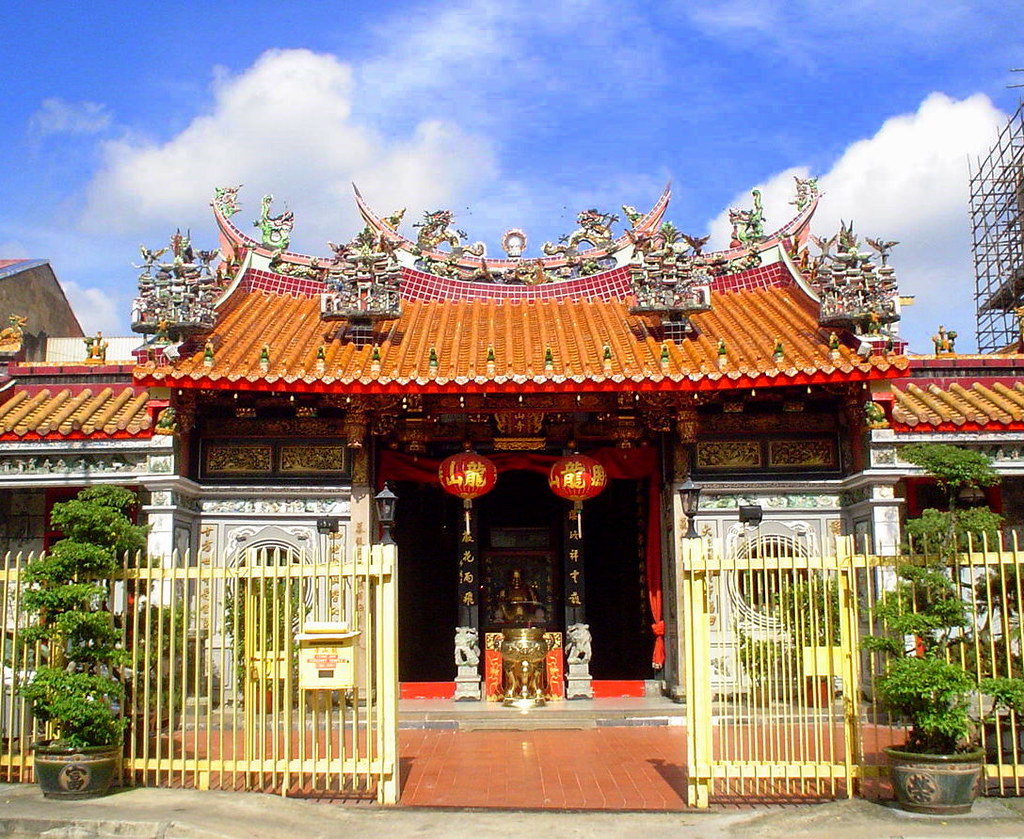
Sarah Zhou explores the role colours play in symbolising culture and heritage in Chinese temples.
-
Surviving a Breakup: The Maoist Perspective

In 1949, Mao’s victory transformed China, adopting Soviet-style governance. Emilio Luppino explores China’s ‘breakup’ with Soviet rule and the autonomous path charted by Mao.
 Retrospect Journal