
Tag: Art History
-
Elizabeth Siddal: Artist, Myth, Doomed Muse?
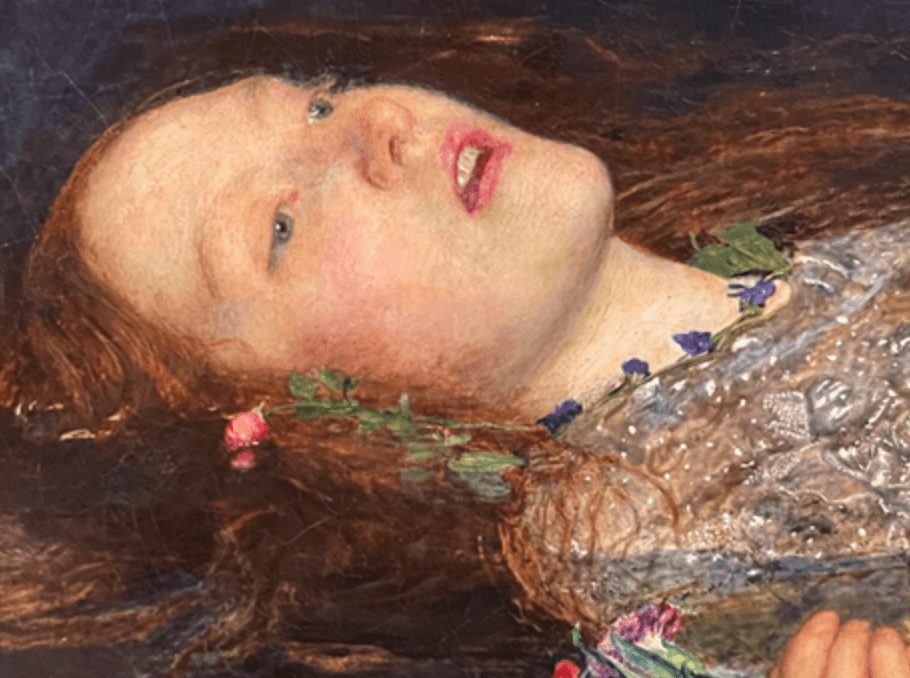
Elizabeth Hill details the life and legacy of Elizabeth Siddal, investigating her portrayals as an artist, mythologised figure, and ‘doomed muse’.
-
Did a Woman Create Abstract Art? Notes on Hilma Af Klint
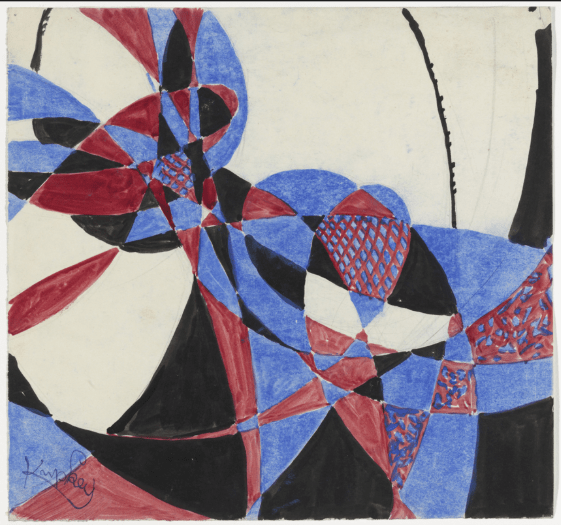
Helene Chaligne discusses the debate over who created the first Western abstract artwork. Although Kandinsky claimed primacy, Hilma af Klint’s influential spiritualist and botanical themes have only recently gained recognition.
-
Surreality Before Surrealism: Divine Dreamscape and the Enigma of Giorgio de Chirico

Molly Marsella discusses the Surrealist movement, conceptualized by André Breton, emphasising the power of the unconscious and the “marvellous” through images, dreams, and automatism. Giorgio de Chirico’s metaphysical works exemplify these ideas, blending reality with dreamlike elements. Breton’s admiration for de Chirico underscores their shared exploration of profound, supernatural truths within art.
-
Recreating the Myth: Cleopatra’s Death in Two Nineteenth-Century French Paintings
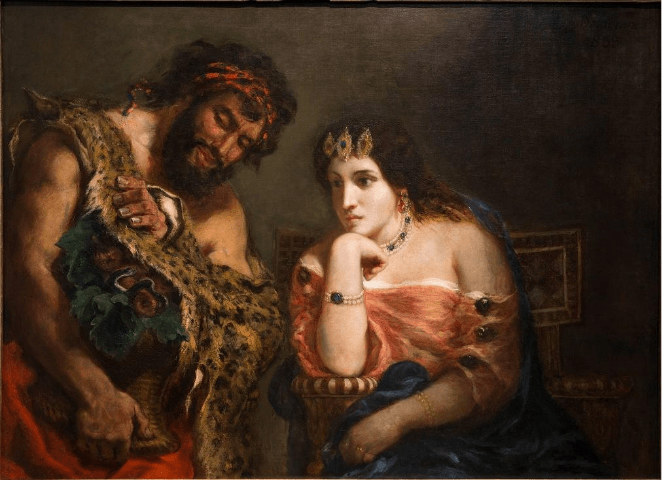
Peiqi An delves into the legacy of Cleopatra’s death and modern Egyptomania across a comparative visual analysis.
-
The Painted Question, The Iconoclast Answer
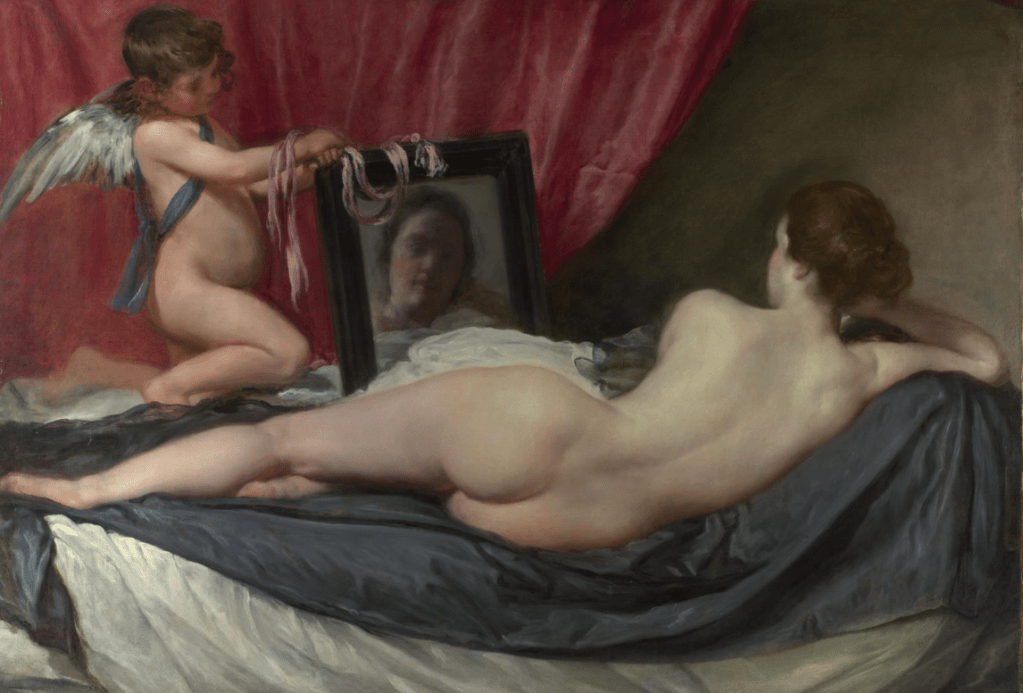
Abby Hughes explores the history and slashing of Diego Velázquez’s Rokeby Venus.
-
Terracotta Warriors: The Conservation of the ‘World’s Eighth Wonder’

Emma Donaldson explores the history of the Terracotta and how they being preserved for the future.
-
Art in the Harlem Renaissance and its Legacy
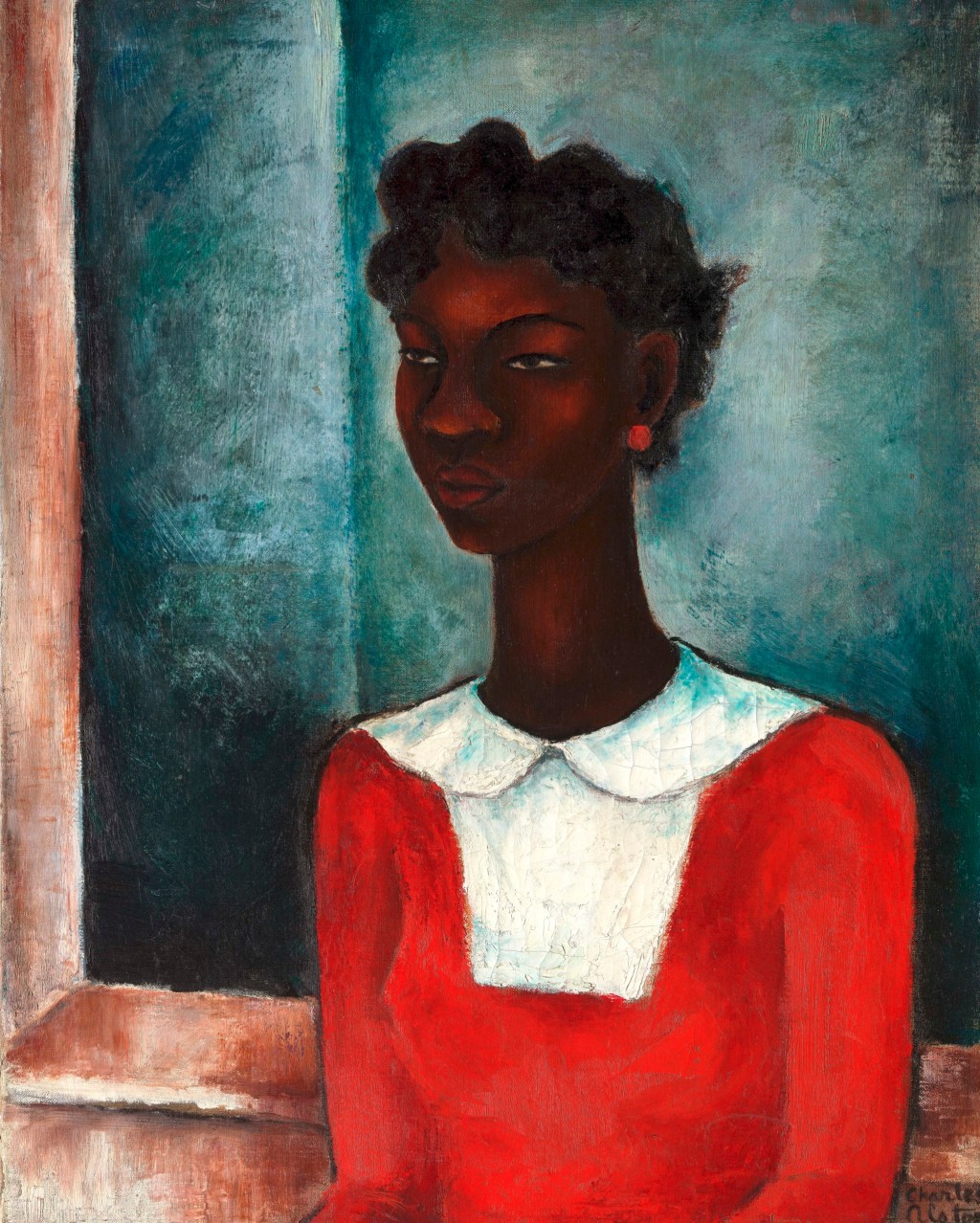
Flora Gilchrist explores the legacy of the Harlem Renaissance through the work of African American artist Aaron Douglas and Charles Henry Alston.
-
Textile Art: Decoration or Activism?

Textiles are a common art form that can evoke a range of emotions. Flora Gilchrist analyses how textiles were crafted during the civil rights movement in America to convey deep political meanings.
 Retrospect Journal