
Tag: Art
-
The Human Chain of Demurral: The Aesthetics of Refusal

Ami John’s tripartite exhibition examines the impactful protest art of Paula Rego, Leon Golub, and Liberate Tate, highlighting their confrontations against social issues of abortion, perpetual conflict, and climate change, advocating for autonomy and justice.
-
The Writing on the Wall: The Biblical Fall of Babylon in Art
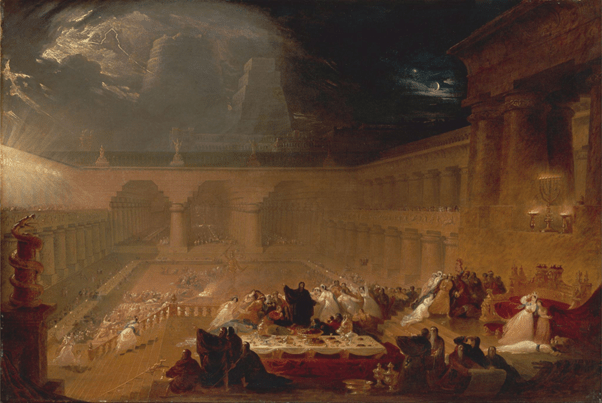
John Martin and Rembrandt portray the biblical scene of Belshazzar’s Feast, emphasising different emotional depths and, as Arianna closely illustrates, both sharing a timeless moral warning.
-
Review of Fighting Deindustrialisation: Scottish Women’s Factory Occupations, 1981-1982 by Andy Clark
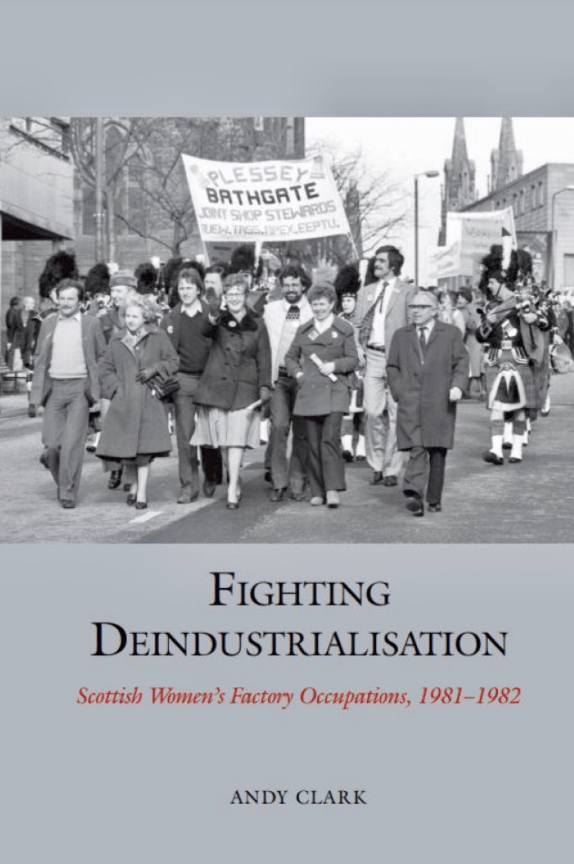
Lauren Hood reviews Andy Clark’s Fighting Deindustrialisation: Scottish Women’s Factory Occupations, 1981-1982.
-
The Séance Epidemic of Victorian Britain

The 1850s are considered a period of scientific advancement and rational-thinking in Victorian England. However, as Abbie Teal shows, there was also a growing trend of séances that led to greater discussions around spirituality and the ethereal.
-
French Impressionism in Scotland: An Analysis of Before the Performance by Edgar Degas
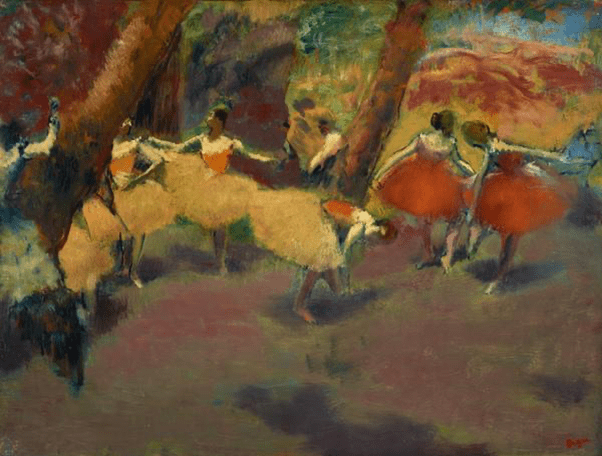
Edgar Degas, a key figure in the Impressionist movement, shifted artistic focus from traditional scenes to urban leisure and ballet. Emily Jones considers how his work, Before the Performance, exemplifies this modern approach and reflects Scotland’s evolving art scene.
-
“Princess, Queen, Icon”: Has Popular Culture Transformed How We Think of the Monarch?
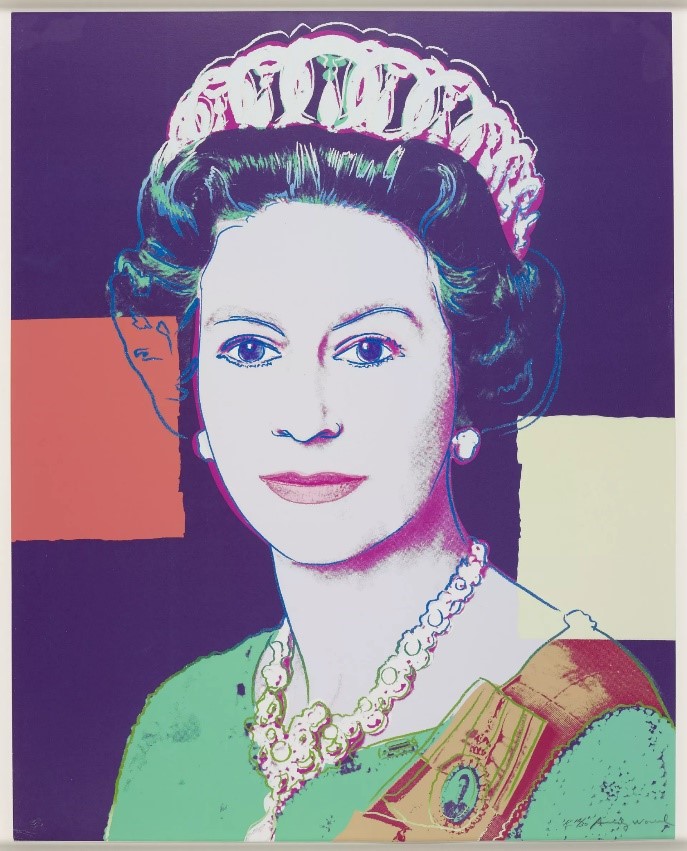
Logan McKinnon’s piece discusses Andy Warhol’s artistic portrayal of Queen Elizabeth II, exploring how his work reflects cultural commentary, the fusion of art and consumerism, and the evolving image of the monarchy within the context of popular culture.
-
The Allure of Anna Weyant

Anna Weyant blends sensuality and emotional depth in her work. Georgia Smith charts her rapid rise in the art world, captivated by both her art and personal allure.
-
Between Confinement and Power: The Female Body in Classical Greek Society
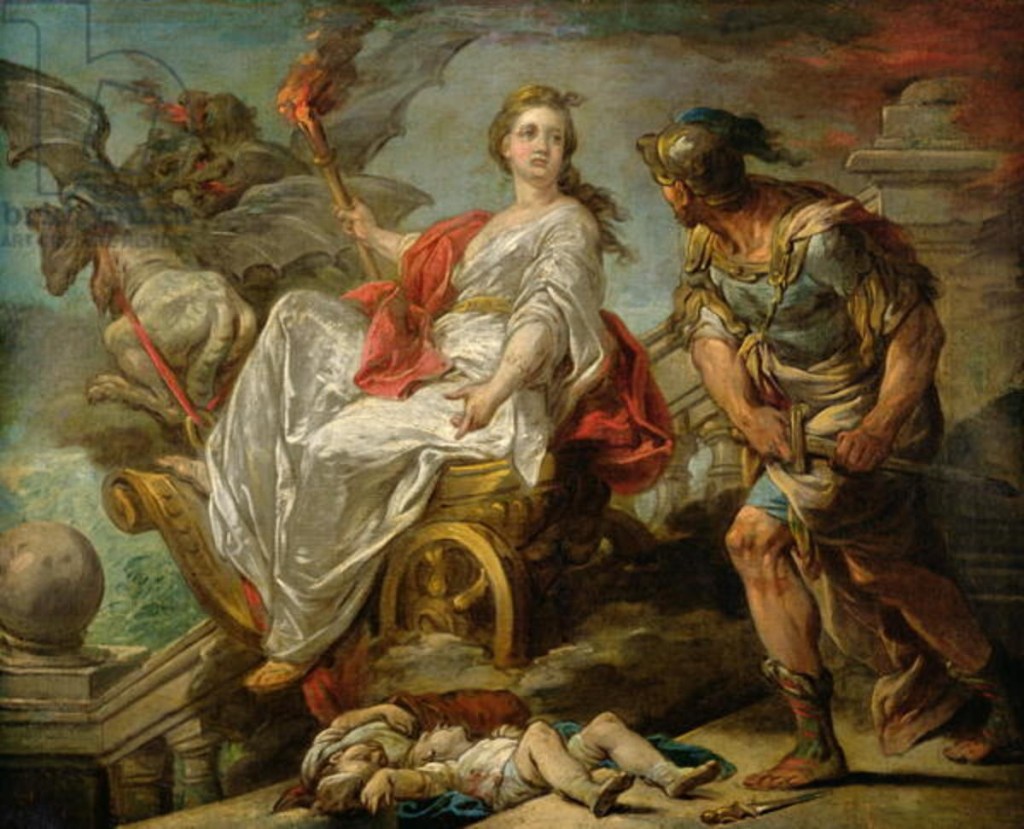
In Euripides’ Medea, the exploration of gender inequality reveals women in Classical Greece as constrained despite their essential contributions through motherhood. Angelina Castrucci evaluates how the female body is constructed under subordination and limited public agency, highlighting societal contradictions regarding women’s power and identity.
 Retrospect Journal